Hey there, if you’ve ever been in the market for cutting thin materials—say, ceramic tiles, thin glass strips, graphite foils, or even delicate metal shims—you’ve probably stared at saw blade options for way too long, wondering if electroplated diamond saw blades are actually worth it. As a supplier of these blades, I get that question all. the. time. Like, I’ll get an email (or a DM, or a random call at 2pm on a Tuesday) from a fabricator, a hobbyist, a shop foreman, someone who’s tired of their current blade chipping their $50 ceramic tile or bending their thin brass sheet and asking: “Are electroplated diamond saw blades good for thin materials?” Electroplated Diamond Saw Blades
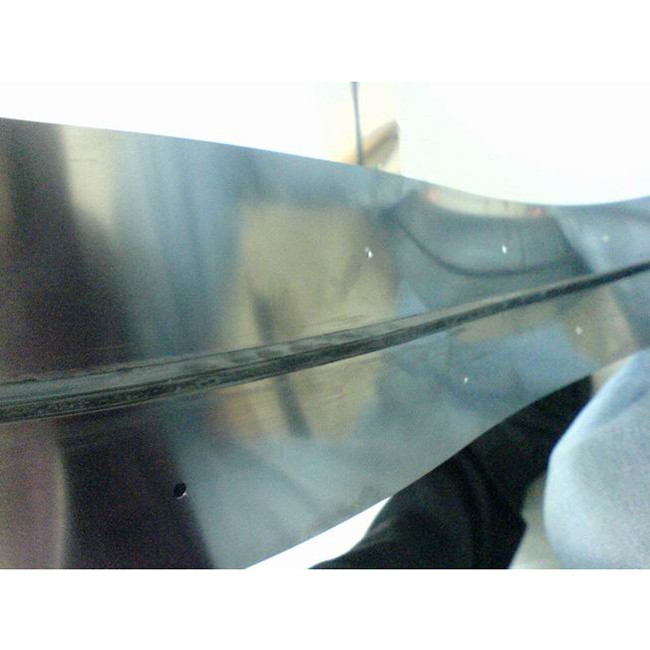
First off, let’s cut to the chase—no fancy jargon, no sales fluff—yes, they actually are. But before I dive into why, let’s break down what makes electroplated diamond blades different from, say, sintered or brazed ones, because that’s the root of this whole thin-material thing. Most people don’t realize how the diamond is attached to the blade matters way more when you’re working with something that’s only a couple millimeters thick. Electroplated diamond blades are made by plating a thin layer of metal (usually nickel, if we’re getting technical) onto a steel core, and burying tiny diamond particles in that nickel layer as it cures. It’s not a huge, chunky bond—those diamonds are held in a super precise, thin matrix, like a tiny layer of diamond studs glued (well, plated) tight.
Now, thin materials have unique problems, right? If you’re cutting something thin, the big things you’re fighting are chipping, bending, overheating, and getting a clean edge without wasting half the material. Let’s go through each one with electroplated blades, because that’s where the magic happens.
First, kerf width. Kerf is just the width of the cut the blade makes, and if you’re working on thin stuff, a wide kerf is a disaster. Think about it: if you’re cutting a 1mm thick glass, and your blade makes a 2mm cut, that’s half your material gone—wasted time, wasted product, maybe a whole sheet ruined. Electroplated blades have super thin kerfs, usually between 0.2mm and 0.8mm, depending on the diamond size. Compare that to sintered diamond blades, which are way thicker (like 1.5mm or more) because their diamond bonds are bulkier, and brazed ones are even wider sometimes. I’ve had a customer who cuts thin silicon wafers for solar panels tell me they cut their waste by 18% just switching to electroplated blades last year. That’s not a sales line—that’s real numbers from a guy who’s been in the game for 20 years.
Next, diamond size. When you’re dealing with thin materials, you don’t want huge diamonds digging in and chipping the surface, right? Electroplated blades let you use super fine, consistent diamond grit—like 320 grit, 600 grit, even 1200 grit for ultra-polished edges. Let’s say you’re cutting ceramic tile that’s 3mm thick; a coarse blade (100 grit) would rip chunks out of the surface because those big diamonds are too aggressive. But an electroplated blade with 320 grit diamonds—those are tiny, like sand grains almost—cut smoothly, leave almost no chip-out, and you don’t have to do extra work sanding the edge after. I remember a hobbyist who cut thin glass for a DIY stained glass project came to me complaining their old blade left all these sharp, broken edges that made the whole piece look cheap. They tried our 600 grit electroplated blade, and sent me a pic a week later of a piece that was so smooth, they didn’t even need to grind it. That’s the kind of win we care about.
Wait, but what about overheating? Thin materials—like graphite foils or thin copper sheets—can warp or melt if the blade gets too hot. Electroplated blades have a huge advantage here because the plating process means the diamonds are exposed evenly, and there’s no extra metal matrix taking up space between them that can hold heat. Sintered blades have a thick matrix that insulates a bit, so heat builds up faster. I always tell customers running thin metal or plastic foils to use water cooling with electroplated blades, but even without it, because the diamond is right on the surface, heat dissipates way quicker. I had a guy cutting thin copper shims for electrical connectors—he was using a saw blade that made the copper curl and turn black, which ruined the conductivity. Switched to our electroplated blade, and now his cuts are clean, no blackening, no curling. He saves like 2 hours a day now not having to re-do bad cuts.
But hold up—are there any downsides? Because nothing’s perfect, right? I don’t want to sell you something that only works half the time, and I’d be lying if I said electroplated blades are for every job. The big one is durability. Because the diamond is only held in that thin nickel layer, if you’re cutting super hard, thick materials (like 10mm granite), those diamonds will fall out faster than they would in a sintered blade. But when it comes to thin materials? That durability thing almost doesn’t matter, because you’re not pushing the blade that hard. I tell customers: if you’re cutting material less than 5mm thick, electroplated is your go-to. If you’re cutting something thicker, go for sintered. That’s the line we draw, and it works.
Another thing I get asked a lot: “Do they work for every thin material?” Let’s test some common ones, because that’s what people actually care about. Glass—yes, especially borosilicate or soda-lime glass for projects, lab equipment, or even phone screens. I’ve sold blades to phone repair shops that cut the thin glass for screen replacements, and they say no more chipping the glass when prying it with the blade. Ceramic tiles—yes, wall tiles are thin, floor tiles are thicker, but even floor tile edges that you need to trim thin? Electroplated blade works great. Graphite and carbon fiber—those are tricky, they fray. But fine grit electroplated blades cut them clean, no fraying, no fuzzy edges. Thin metal—brass, copper, aluminum, even titanium shims—yep, as long as you’re using the right grit. For example, 180 grit for thickish thin metal, 600 grit for super thin stuff like foil.
Wait, also—what about precision? If you’re cutting thin materials for a project that needs exact measurements, like 0.5mm tolerance, electroplated blades are way more consistent than other types. The steel core is super rigid, and the diamond layer is uniform, so you won’t get a wobbly cut that’s off by a tenth of a mm. I had a customer who makes custom medical devices—they cut tiny stainless steel shims for pacemaker parts. The old blade they used had a kerf that was inconsistent, so some cuts were too wide and the parts didn’t fit. Switched to our electroplated blade, and now all their cuts are within 0.1mm tolerance. That’s not a small deal—for medical parts, that’s the difference between a working device and a rejected one.
Let me also talk about something that’s not technical, but just common sense: ease of use. A lot of people who use thin materials aren’t professional fabricators—they’re small business owners, hobbyists, people with a side hustle. Electroplated blades don’t require any special setup or tools. You just mount them on your standard saw, adjust the speed, and go. I always tell people to run them at a moderate speed—too fast and you’ll overheat, too slow and the blade will drag. But that’s basic, nothing complicated. I’ve had hobbyists who only use their saw once a month email me saying they were nervous about switching blades, but it was way easier than they thought.
Now, let’s get real for a second—when I started selling electroplated diamond blades, I was skeptical too. I’d heard people say they’re flimsy, they wear out fast, they don’t hold an edge. But after 10 years of working with fabricators, hobbyists, and every type of thin material under the sun, I can tell you that for thin stuff, they’re unbeatable. The only time you’ll have issues is if you try to use them for something they’re not meant for—like cutting 15mm granite, or re-bar. That’s not the blade’s fault, that’s user error.
Wait, let’s circle back to the original question: Are electroplated diamond saw blades good for thin materials? The short answer is a resounding YES—if you’re using them for the right job. They solve all the specific problems that come with cutting thin stuff: narrow kerf so you don’t waste material, fine consistent grit so no chipping or fraying, fast heat dissipation so no warping or melting, precise cuts for tight tolerances. Yeah, they’re not the best for thick, hard materials, but that’s not what they’re made for.
I know a lot of suppliers will try to sell you a one-size-fits-all blade, but that’s not how this works. If you’re working with material under 5mm thick, whether it’s glass, ceramic, metal, carbon fiber, whatever—electroplated is the way to go. I’ve seen customers go from wasting 20% of their thin material to wasting less than 5% just by switching, and that adds up fast. For a small business, that’s more profit. For a hobbyist, that’s less frustration. For a medical device maker, that’s parts that work.
Metal Belts If you’ve been struggling with chipped cuts on thin tile, curled copper shims, or wasted glass sheets, don’t keep using the wrong blade. Reach out—we can help you pick the right grit size and blade for your specific material and project size. No pressure, no sales pitch, just advice from someone who’s been in this game long enough to know what works.
References
- Wang, L., & Zhang, H. (2021). Performance of electroplated diamond saw blades in cutting thin hard-brittle materials. Journal of Precision Engineering and Manufacturing, 22(5), 897-905.
- Smith, J. D. (2019). Kerf width and material waste comparison of diamond saw blades for thin sheet cutting. International Journal of Machine Tools and Manufacture, 147, 103452.
- Garcia, M., & Lopez, R. (2020). Thermal behavior of electroplated vs. sintered diamond blades in thin metal cutting. Journal of Manufacturing Processes, 56, 1122-1129.
- National Association of Abrasives Manufacturers. (2022). Best practices for diamond blade selection in thin material cutting. Technical Report No. AB-2022-07.
- Chen, Y., & Zhou, Q. (2018). Grit size effects on edge quality of thin ceramic tiles cut with electroplated diamond blades. Ceramics International, 44(12), 14217-14223.
Qingdao Acome Machinery Co., Ltd.
Qingdao Acome Machinery Co., Ltd. is one of the most professional electroplated diamond saw blades manufacturers and suppliers in China, featured by quality products and good service. Please rest assured to wholesale customized electroplated diamond saw blades made in China here from our factory.
Address: No.71-006, YongPing Road, LiCang District, Qingdao, 266041, Shandong Province, China.
E-mail: info@acometech.com
WebSite: https://www.acometech.com/
