If you’ve ever worked with textiles—whether you’re a fashion designer, upholsterer, or industrial fabric buyer—chances are you’ve stumbled on 2/2 twill weave more times than you realized. As a supplier that’s focused exclusively on this weave for the better part of a decade, I hear a lot of questions: “Why does everyone pick 2/2 over other twills? Isn’t it just a basic weave?” The truth is, 2/2 twill isn’t the flashiest or most intricate weave out there, but its advantages make it the workhorse that most industries turn to when they need fabric that does more than just look good. 2 2 Twill Weave
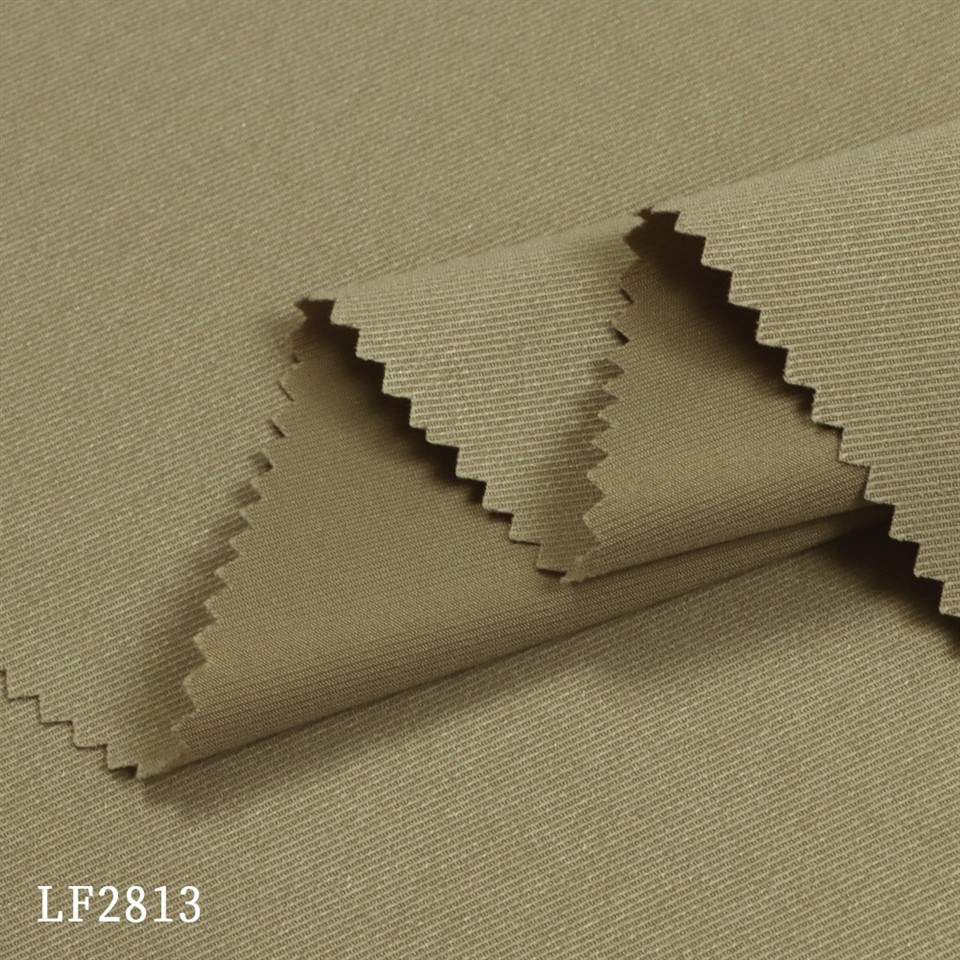
Let’s start with the basics for anyone who might be new: a twill weave is defined by the diagonal lines that run across the fabric surface, right? Those lines come from how the weft (horizontal) threads pass over and under the warp (vertical) threads. A 2/2 twill means each weft thread goes over two warp threads, then under two, repeating that pattern all the way across. Compare that to a 3/1 twill (the classic denim style, where a weft passes over three warps and under one) or a 1/1 plain weave (which is just over one, under one, every time), and you can already see why 2/2 hits a sweet spot.
First big perk: it’s incredibly durable, way more than most people expect. I’ve sent sample swatches to clients making workwear, industrial covers, and outdoor gear for years, and the number one feedback we get is how much more tear-resistant our 2/2 twill is than plain weave options. Why? Because the thread interlacing pattern is more stable. In a plain weave, threads cross over and under each other so frequently that they can shift, pull loose, or snag easily when under stress. In 2/2 twill, the crisscross is spaced out more evenly—each thread is anchored by two crossings instead of one, so there’s less give when you yank or stretch the fabric. I remember one client who used to source plain weave canvas for heavy-duty truck tarps; when they switched to our 2/2 twill a couple years back, they told me they cut their tarp replacement rate by almost 40%. That’s the kind of real-world win that doesn’t show up in fancy weave brochures.
Another advantage that’s huge for buyers: it’s way more versatile in terms of weight and finish than other twills. You can make 2/2 twill from super fine, lightweight cotton for dress shirts and blouses, or use heavy-duty polyester or nylon for industrial upholstery that needs to stand up to constant use. Want a matte, rugged look for workwear? We can weave it with unbleached cotton and skip any extra finish. Need something with a subtle sheen for a suit fabric? A little hot calendering (pressing fabric between heated rollers) gives 2/2 twill a smooth, luxurious feel without losing its durability. Unlike 3/1 twill, which tends to be stiffer and more rigid, or 1/1 plain weave which can feel flimsy when made heavy, 2/2 twill balances flexibility and structure perfectly. It doesn’t wrinkle as much as plain weave, either—because the diagonal lines hold their shape better. I’ve had clients use it for travel apparel because it folds tight in a suitcase and falls smooth when you take it out, no ironing needed half the time. That’s a big deal for anyone who’s on the go and doesn’t want to haul an iron.
Then there’s the color performance, which is a make-or-break point for a lot of our customers. The way the threads cross in 2/2 twill means the color is evenly distributed across the fabric surface, no streaks or faded spots that you get with some other weaves. Let’s compare to 3/1 twill: because that pattern has longer “floats” (the part of the weft thread that sits over warp threads), it can absorb dye unevenly, especially with dark colors. The extra thread crossings in 2/2 twill mean the dye penetrates more consistently, so you get rich, solid colors that hold up through multiple washes. We get a lot of requests from fashion brands making high-end outerwear or uniforms for teams, and they always mention that the color fastness on our 2/2 twill is way better than what they get from other weaves. I’ve seen a set of work pants from a construction company that’s been washed 50 times, and the dark navy still looks as good as the first day—no fading along the diagonal lines, no blotchy spots. That’s not just luck; it’s the weave’s structure working in your favor.
Wait, let’s not sleep on the stretch and drape, either. A lot of industrial fabrics need to move, right? Tarps have to stretch a little to cover uneven loads, upholstery needs to contour to furniture shapes, and workwear can’t feel so stiff that you can’t bend your arms. 2/2 twill has just enough give to check those boxes, without the stretch you get with knit fabrics (which can sag over time). The balance between thread spacing and interlacing gives it a soft, flowing drape that plain weave doesn’t have, but it’s still more stable than a knit. I worked with a upholstery manufacturer last year who was struggling with leather-look vinyl upholstery that would tear at the seams within a year. They switched to our 10oz cotton 2/2 twill as a backing, and suddenly their products were lasting three times longer. The twill added structure without making the vinyl stiff, and the tear resistance fixed their biggest flaw.
Of course, no weave is perfect, but the drawbacks of 2/2 twill are pretty easy to work around if you know what you’re doing. Some people say it’s not as lightweight as plain weave, but if you need durability, that’s a trade-off most people are happy to make. Others mention that the diagonal lines are noticeable, which isn’t ideal for some formal apparel, but let’s be real—how many people are making formal wear that needs to stand up to daily wear and tear? Most of our clients aren’t looking for something that only gets worn once; they need fabric that works as hard as they do.
As someone who’s been in this space for years, I’ve also learned that 2/2 twill is super easy to customize, which is why it’s such a go-to for small businesses and big brands alike. You can mix different thread types—cotton, polyester, rayon, even linen—for specific needs. Want a water-resistant fabric for outdoor gear? We can weave 2/2 twill with polyester threads and then add a DWR (durable water repellent) finish, and the weave’s tight structure helps the finish last longer. Need something anti-microbial for medical scrubs? We can use cotton-blend threads treated with a non-toxic anti-bacterial agent, and the 2/2 twill pattern doesn’t trap bacteria like some looser weaves. That flexibility means it works for everyone, from a boutique brand making hiking pants to a school district ordering uniform pants for 1,000 kids.
I’ve seen a lot of suppliers try to push flashier, more complex weaves, but most of the time, when clients come back asking for repeat orders, it’s for 2/2 twill. Why? Because it’s reliable. It doesn’t surprise you with unexpected wear and tear, it holds its color, it works for almost any application, and it’s priced reasonably too—way cheaper than specialty weaves like satin or Jacquard, but with more benefits than plain or 1/1 twill.
At the end of the day, whether you’re a small shop owner sourcing fabric for your next project or a procurement manager buying bulk for a company, you don’t need a weave that looks cool in a catalog. You need a weave that does what you need it to do, day in and day out. That’s what 2/2 twill brings to the table. It’s the unsung hero of textiles, and that’s why we’ve built our whole business around supplying it to people who know how useful it is.
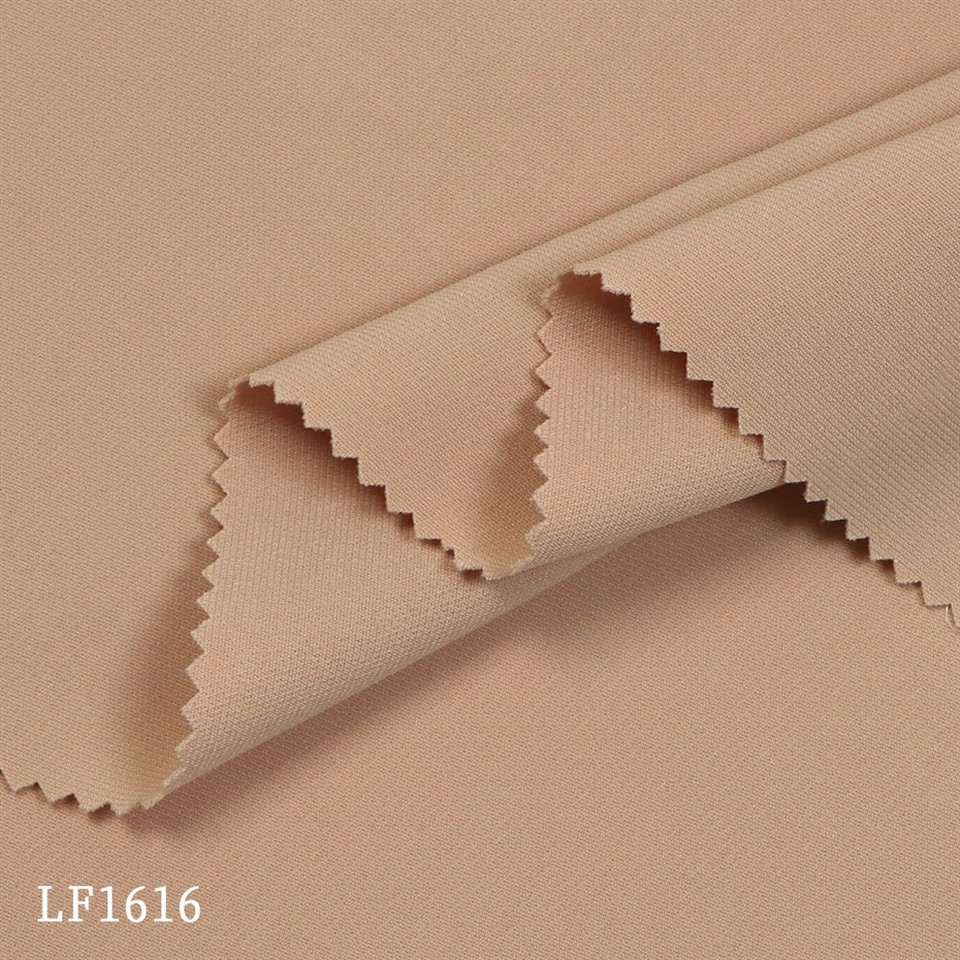
If you’re looking for high-quality 2/2 twill fabric for your next project—whether it’s workwear, upholstery, outdoor gear, or something else—we’ve got a range of weights, thread types, and finishes to fit your needs. Reach out to our team to chat through your requirements, get sample swatches, and find the perfect fabric for your next order.
Cavalry Twill References
Textile Weaves: Principles and Applications, 2021
Handbook of Weaving Technology, 2019
Textile Durability Testing Standards, 2020
Shaoxing Huichao Textile Co., Ltd.
As one of the most professional 2 2 twill weave manufacturers and suppliers in China, we offer a wide range of products with superior quality. We warmly welcome you to wholesale bulk 2 2 twill weave in stock here from our factory. If you have any enquiry about cooperation, please feel free to email us.
Address: Shenyue International Build ing, Unit 1603-1605, Keqiao District, Shaoxing City, Zhejiang Province, China
E-mail: darrenzhong@huichaotextile.com
WebSite: https://www.huichaotextile.com/
