Water is a fundamental element in the operation of cooling towers, and its quality significantly influences the performance, longevity, and efficiency of cooling tower accessories. As a cooling tower accessories supplier, I have witnessed firsthand how water quality can both enhance and degrade the functionality of these essential components. In this blog, I will explore the intricate relationship between water quality and cooling tower accessories, discussing the impacts on different parts and providing insights on how to mitigate negative effects. Cooling Tower Accessories

The Role of Cooling Tower Accessories
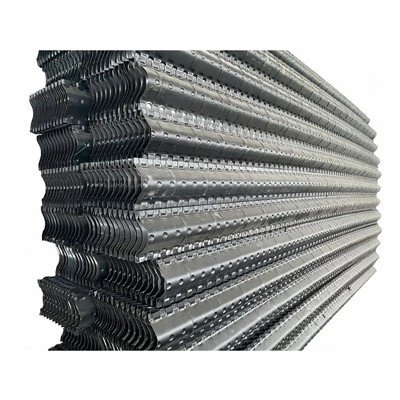
Before delving into the impact of water quality, it’s important to understand the role of cooling tower accessories. These include fill media, nozzles, drift eliminators, fans, basins, and piping systems. Each accessory plays a crucial role in the cooling process. Fill media, for example, maximizes the contact area between water and air to facilitate heat transfer. Nozzles distribute water evenly across the fill media, ensuring efficient cooling. Drift eliminators reduce water loss by capturing water droplets carried by the air stream, while fans maintain the proper air flow through the tower. Basins store water, and piping systems transport water to and from the tower.
Effects of Water Quality on Fill Media
Fill media is one of the most critical components in a cooling tower, as it directly affects the heat transfer efficiency. Poor water quality can cause several issues for fill media. One of the primary problems is scaling. When water contains high levels of dissolved minerals such as calcium and magnesium, these minerals can precipitate out of the water and form a hard, crusty layer on the surface of the fill media. This scaling reduces the surface area available for heat transfer, leading to decreased cooling efficiency. As a result, the cooling tower may require more energy to achieve the same cooling capacity, increasing operational costs.
Another issue associated with poor water quality is biofouling. Water that is rich in nutrients, organic matter, and microorganisms provides an ideal environment for the growth of algae, bacteria, and fungi. These organisms can form a slimy biofilm on the fill media, further reducing heat transfer efficiency and potentially clogging the passages between the fill sheets. Biofouling can also lead to the corrosion of the fill media material, especially if the biofilm creates an anaerobic environment that promotes the growth of sulfate – reducing bacteria. These bacteria produce hydrogen sulfide, which is highly corrosive to many metals and plastics commonly used in fill media.
Impact on Nozzles
Nozzles are responsible for distributing water evenly across the fill media. Water quality can have a significant impact on their performance. Scaling, as mentioned earlier, can also affect nozzles. The build – up of mineral deposits inside the nozzles can restrict the flow of water, causing uneven water distribution. This uneven distribution can lead to hot spots in the fill media, reducing the overall cooling efficiency of the tower.
In addition to scaling, biofouling can also cause problems for nozzles. The growth of microorganisms can block the small orifices in the nozzles, preventing water from being sprayed properly. This can result in poor wetting of the fill media and ineffective heat transfer. Moreover, if the biofilm contains corrosive substances, it can damage the nozzle material over time, leading to leaks and further compromising the cooling tower’s performance.
Consequences for Drift Eliminators
Drift eliminators are designed to capture water droplets carried by the air stream and prevent them from being lost to the environment. Water quality can impact the effectiveness of drift eliminators in several ways. Scaling can accumulate on the surface of the drift eliminators, altering their shape and reducing their ability to capture water droplets. This can increase water loss from the cooling tower, leading to higher water consumption and costs.
Biofouling can also affect drift eliminators. The growth of algae and other organisms on the drift eliminator surfaces can create rough areas that disrupt the smooth flow of air and water droplets. This can cause more water droplets to be carried out of the tower, reducing the efficiency of the drift eliminators and increasing the risk of water – borne contaminants being released into the atmosphere.
Influence on Fans
Although fans are not in direct contact with water, water quality can still have an indirect impact on them. When scaling and biofouling occur in other parts of the cooling tower, such as the fill media and nozzles, the overall cooling efficiency of the tower decreases. To compensate for the reduced cooling capacity, the fans may need to operate at higher speeds or longer durations. This increased workload can lead to premature wear and tear of the fan blades, motors, and other fan components.
In addition, if the cooling tower is located in an area where there is a high concentration of water – borne contaminants due to poor water quality and ineffective drift elimination, these contaminants can be carried by the air stream and potentially damage the fan components. For example, corrosive substances in the air can corrode the fan blades and motor housing, reducing the lifespan of the fans and increasing maintenance costs.
Impact on Basins and Piping Systems
The cooling tower basin stores water, and the piping systems transport water to and from the tower. Poor water quality can cause significant problems for these components. Scaling can occur in the basin and piping, reducing the flow capacity of the pipes and increasing the risk of blockages. This can lead to uneven water distribution in the cooling tower and reduced cooling efficiency.
Corrosion is another major issue. Water that is acidic or contains high levels of dissolved oxygen can corrode the metal components of the basin and piping systems. This corrosion can weaken the structure of the pipes and basin, leading to leaks and potentially costly repairs. Biofouling can also occur in the basin and piping, providing a breeding ground for bacteria and other microorganisms. This can not only cause blockages but also pose a health risk if the cooling tower water is used in a process where there is a potential for human exposure.
Mitigating the Impact of Water Quality
To mitigate the negative impacts of water quality on cooling tower accessories, several strategies can be employed. One of the most effective methods is water treatment. This can include filtration to remove suspended solids, softening to reduce the hardness of the water and prevent scaling, and disinfection to control the growth of microorganisms. Chemical treatment can also be used to inhibit corrosion and scale formation.
Regular maintenance is also crucial. This includes inspecting and cleaning the cooling tower accessories on a regular basis. For example, fill media can be cleaned to remove scaling and biofouling, and nozzles can be checked and replaced if they are clogged or damaged. Drift eliminators should be cleaned to maintain their effectiveness, and fans and motors should be inspected for signs of wear and tear.
Monitoring water quality is another important step. By regularly testing the water for parameters such as pH, hardness, conductivity, and microbial content, it is possible to detect any changes in water quality early and take appropriate action. This proactive approach can help prevent major problems from occurring and ensure the long – term performance of the cooling tower and its accessories.
Conclusion
As a cooling tower accessories supplier, I understand the importance of water quality in maintaining the performance and longevity of our products. The impact of water quality on cooling tower accessories is far – reaching, affecting everything from fill media and nozzles to fans and piping systems. By understanding these impacts and implementing appropriate water treatment, maintenance, and monitoring strategies, it is possible to minimize the negative effects and ensure the efficient operation of cooling towers.
Closed Circuit Cooling Tower If you are in the market for high – quality cooling tower accessories or need advice on how to manage water quality in your cooling tower system, I encourage you to reach out. Our team of experts is ready to assist you in selecting the right accessories for your specific needs and providing solutions to enhance the performance of your cooling tower. Contact us today to start a procurement discussion and take the first step towards optimizing your cooling tower system.
References
- ASHRAE Handbook: HVAC Systems and Equipment. American Society of Heating, Refrigerating and Air – Conditioning Engineers.
- Cooling Tower Institute (CTI) Technical Papers on Water Treatment and Cooling Tower Maintenance.
- "Water Quality and Its Impact on Industrial Cooling Systems" by John Smith, Journal of Industrial Water Management, 2020.
Hainan Haizhou Fluid Technology Co., Ltd.
As one of the most experienced cooling tower accessories manufacturers and suppliers in China, we also support customized service. Please feel free to wholesale bulk high quality cooling tower accessories in stock here from our factory. Contact us for more details.
Address: Room 3003A-877, 30th Floor, Tower A, Internet Finance Building, No. 3 Guoxing Avenue, Lantian Subdistrict, Meilan District, Haikou City, Hainan Province
E-mail: FD@jxark.com
WebSite: https://www.hnhzark.com/
