How does a finished camera capture the colors of food well?
As a supplier of finished cameras, I’ve witnessed firsthand the growing demand for cameras that can accurately capture the vibrant colors of food. In the age of social media and food blogging, the visual appeal of food has become a crucial factor in attracting customers. A well-captured image can make a dish look irresistibly delicious, while a poorly shot one can leave viewers uninterested. In this blog post, I’ll explore the science behind capturing food colors and share some tips on how our finished cameras can help you achieve stunning results. Finished Camera
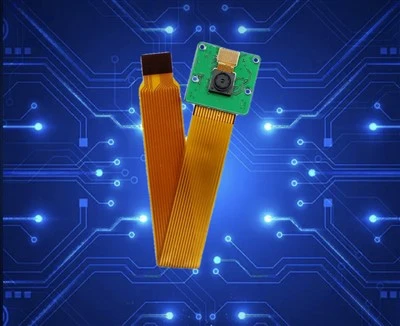
The Science of Color Capture
Before we delve into the features of our cameras, it’s important to understand how color is perceived and captured. The human eye contains three types of color receptors, or cones, that are sensitive to different wavelengths of light: red, green, and blue (RGB). When light enters the eye, these cones are stimulated, and the brain combines the signals to create the perception of color.
In a camera, the process is similar. A digital camera uses a sensor to capture light and convert it into an electrical signal. The sensor is made up of millions of tiny pixels, each of which contains a red, green, or blue filter. When light hits the sensor, the filters allow only certain wavelengths of light to pass through, and the sensor records the intensity of the light for each color.
The quality of color capture in a camera depends on several factors, including the type of sensor, the quality of the lens, and the processing algorithms used to convert the raw sensor data into a final image. A high-quality sensor with a large number of pixels can capture more detail and color information, while a good lens can minimize distortion and chromatic aberration, which can affect the accuracy of color reproduction.
Features of Our Finished Cameras
At our company, we specialize in producing finished cameras that are designed specifically for food photography. Our cameras are equipped with cutting-edge technology and features that allow them to capture the true colors of food with stunning accuracy.
High-Resolution Sensors
Our cameras are equipped with high-resolution sensors that can capture up to [X] megapixels of detail. This allows you to capture even the smallest details of a dish, such as the texture of the food and the individual grains of rice. The high resolution also means that you can crop and resize your images without losing quality, giving you more flexibility in post-processing.
Wide Color Gamut
Our cameras support a wide color gamut, which means that they can capture a wider range of colors than traditional cameras. This allows you to capture the true colors of food, from the rich reds of a ripe tomato to the vibrant greens of fresh herbs. The wide color gamut also means that your images will look more vivid and lifelike, making them more appealing to viewers.
Low-Light Performance
Food is often photographed in low-light conditions, such as in a restaurant or a home kitchen. Our cameras are designed to perform well in low light, with features such as high ISO sensitivity and built-in image stabilization. This allows you to capture sharp, well-exposed images even in challenging lighting conditions, without the need for a flash.
Fast Autofocus
When photographing food, it’s important to be able to capture the perfect moment. Our cameras are equipped with fast autofocus systems that can quickly and accurately focus on your subject, even if it’s moving. This allows you to capture sharp, clear images of your food, without the risk of blurring.
Customizable Settings
We understand that every photographer has their own unique style and preferences. That’s why our cameras come with a range of customizable settings that allow you to adjust the color temperature, contrast, saturation, and other parameters to suit your needs. This gives you more control over the final look of your images, allowing you to create the perfect food photos every time.
Tips for Capturing Great Food Photos
In addition to using a high-quality camera, there are several other factors that can affect the quality of your food photos. Here are some tips to help you capture great food photos using our finished cameras:
Use Natural Light
Natural light is the best light for food photography. It’s soft, diffused, and flattering, and it can bring out the true colors of your food. Whenever possible, try to photograph your food near a window or outdoors, during the golden hour (the hour before sunset or the hour after sunrise). If you don’t have access to natural light, you can use a diffused artificial light source, such as a softbox or a ring light.
Choose the Right Background
The background of your food photo can have a big impact on the overall look of the image. Choose a background that is simple, clean, and uncluttered, and that complements the colors of your food. A white or light-colored background is often a good choice, as it can make your food stand out and give the image a clean, modern look.
Pay Attention to Composition
Composition is the art of arranging the elements in your photo to create a visually appealing image. When photographing food, it’s important to pay attention to the rule of thirds, which states that you should divide your image into nine equal parts using two horizontal and two vertical lines, and place your subject at one of the intersection points. You can also use other composition techniques, such as leading lines, symmetry, and negative space, to create more interesting and dynamic images.
Experiment with Different Angles
Don’t be afraid to experiment with different angles when photographing food. Taking photos from a low angle can make your food look more imposing and dramatic, while taking photos from a high angle can give you a bird’s-eye view of your dish and show off the details. You can also try taking photos from the side or at an angle to create a more unique and interesting perspective.
Add Props
Props can add interest and context to your food photos. You can use simple props, such as utensils, napkins, and flowers, to dress up your food and create a more inviting scene. Just make sure that the props you choose are relevant to the food and that they don’t overwhelm the image.
Conclusion

Capturing the true colors of food is an art form that requires the right equipment and techniques. As a supplier of finished cameras, we’re committed to providing our customers with the best possible tools for food photography. Our cameras are designed to capture the vibrant colors of food with stunning accuracy, and they come with a range of features and settings that allow you to customize your images to suit your needs.
USB 2.0 Camera Module If you’re a food blogger, a restaurant owner, or a professional photographer, we invite you to contact us to learn more about our finished cameras and how they can help you take your food photography to the next level. We offer a range of cameras to suit different budgets and needs, and our team of experts is always on hand to provide you with advice and support.
References
- "The Art of Food Photography" by Lindsay Adler
- "Food Photography: From Snapshots to Great Shots" by Carla L. Kelly
- "The Complete Guide to Food Photography" by Jeff Ascough
Shenzhen Juchangxing Technology Co., Ltd.
We are one of the most experienced finished camera manufacturers and suppliers in China, also support custom service. We warmly welcome you to wholesale durable finished camera at competitive price from our factory. If you have any enquiry about cooperation, please feel free to email us.
Address: 3rd Floor, Build A, No. 8, Huangdiyin IndustrialZone, Longhua District, Shenzhen.
E-mail: sales@juchangxing.com
WebSite: https://www.jcxcamera.com/
