Waste management is a critical aspect of space capsule design and operation. As a leading supplier of space capsules, I’ve witnessed firsthand the challenges and innovations surrounding this issue. In this blog, I’ll delve into the various methods and technologies we use to handle waste in space capsules, ensuring a clean and safe environment for astronauts during their missions. Space Capsule

Understanding the Types of Waste in Space Capsules
Before discussing the management techniques, it’s essential to understand the different types of waste generated in space capsules. There are primarily three categories: solid waste, liquid waste, and gaseous waste.
Solid waste includes food packaging, used hygiene products, and other non – biodegradable items. Astronauts also produce fecal matter, which is a significant part of solid waste. Liquid waste mainly consists of urine, but also includes other bodily fluids and any spilled liquids during the mission. Gaseous waste is produced through respiration, the operation of equipment, and chemical reactions within the capsule. This waste contains carbon dioxide, water vapor, and trace amounts of other gases.
Solid Waste Management
One of the earliest methods of solid waste management in space was the use of simple collection bags. Astronauts would place solid waste, such as feces, into a special bag lined with a disinfectant. The bag was then sealed and stored for the duration of the mission. These bags were designed to prevent the leakage of waste and the growth of bacteria. However, this method was far from perfect. The smell was a persistent problem, and the storage of solid waste took up valuable space in the capsule.
As technology advanced, we developed more sophisticated systems. A current approach involves the use of a compaction system. This system squeezes the solid waste into a smaller volume, reducing the amount of storage space required. The compacted waste can be stored more efficiently until it is disposed of.
Another innovative solution is the use of waste recycling technologies for certain types of solid waste. For example, some food packaging materials can be recycled through a process of melting and reforming. This not only reduces the amount of waste but also conserves resources, as the recycled materials can be reused in the production of new items within the capsule.
Liquid Waste Management
Urine is the most significant component of liquid waste in space capsules. In the past, one of the simplest ways to manage urine was to vent it into space. However, this approach was wasteful, as water is a precious resource in space. Today, we have developed advanced urine recycling systems.
Our urine recycling systems work through a multi – stage process. First, the urine is collected in a dedicated tank. Then, it undergoes a filtration process to remove large particles and debris. After that, it goes through a distillation process. In this process, the urine is heated, and the water evaporates, leaving behind the concentrated waste. The evaporated water is then condensed and further purified through processes like reverse osmosis to remove any remaining impurities.
The purified water can be reused for various purposes in the capsule, such as drinking, cooking, and maintaining the oxygen generation system. This recycling process helps to reduce the amount of water that needs to be transported from Earth, which is a significant cost – saving measure for space missions.
In addition to urine, other types of liquid waste, such as spilled drinks or cleaning fluids, are also collected and treated. We use absorbent materials to soak up these liquids, and then the absorbent material is disposed of as solid waste after the liquid has been safely contained.
Gaseous Waste Management
Gaseous waste management is crucial for maintaining a breathable atmosphere in the space capsule. The main focus is on removing carbon dioxide and regulating humidity.
Carbon dioxide is removed using a process called scrubbing. Our space capsules are equipped with carbon dioxide scrubbers that contain a material, usually lithium hydroxide or a similar compound, which reacts with carbon dioxide to form a solid carbonate. This chemical reaction effectively removes carbon dioxide from the cabin air.
To regulate humidity, we use a system of condensers. These condensers work by cooling the air in the capsule. As the air cools, the water vapor in it condenses into liquid water, which is then collected and either recycled or disposed of. This helps to prevent the build – up of moisture in the capsule, which could lead to problems such as mold growth and equipment corrosion.
Challenges and Future Developments
Despite the advancements in waste management technology, there are still several challenges. One of the biggest challenges is dealing with long – duration space missions. As missions become longer, the amount of waste generated increases, and the storage and recycling systems need to be more efficient and reliable.
Another challenge is the impact of waste management on the overall weight and power consumption of the space capsule. The more complex the waste management systems are, the more they weigh and the more power they consume. This can limit the capabilities of the capsule and increase the cost of the mission.
Looking to the future, we are exploring new technologies such as biological waste treatment. This involves using microorganisms to break down organic waste, which could potentially reduce the amount of solid waste and produce useful by – products. We are also researching more advanced recycling techniques that can handle a wider range of waste materials, further reducing the need for resupply from Earth.
Why Choose Our Space Capsules for Waste Management
As a space capsule supplier, we take great pride in our waste management systems. Our capsules are designed with the latest technology to ensure efficient and reliable waste management. Our urine recycling systems have a high water recovery rate, which means that astronauts have a sustainable supply of water during their missions. Our carbon dioxide scrubbers are highly effective in maintaining a clean and breathable atmosphere.
We also understand the importance of customization. Different space missions have different requirements, and we can tailor our waste management systems to meet the specific needs of each mission. Whether it’s a short – term mission to the International Space Station or a long – duration deep – space exploration, our waste management solutions are designed to perform optimally.
Contact Us for Purchase and Consultation
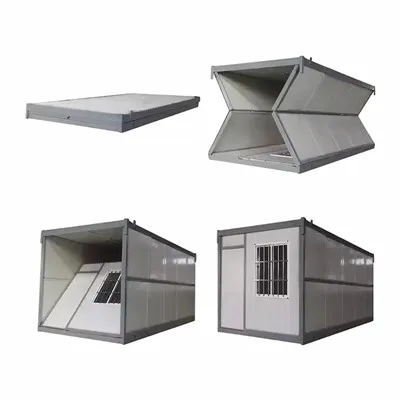
If you’re in the market for a space capsule and are concerned about waste management, we’re here to help. Our team of experts can provide you with detailed information about our waste management systems and how they can meet your mission requirements. Whether you’re a government space agency or a private space company, we’re ready to work with you to develop the perfect solution.
Space Capsule To start the conversation about purchasing a space capsule and discussing our waste management capabilities, please get in touch with our sales team. We look forward to the opportunity to partner with you on your next space adventure.
References
- NASA Technical Reports on Spacecraft Waste Management Systems
- International Journal of Aerospace Engineering articles on waste management in space
- Papers presented at major space industry conferences on the latest advancements in space waste management technologies
Aoborui Seiko Technology (Weifang) Co., Ltd.
As one of the most professional space capsule manufacturers and suppliers in China, we also support customized service. Please feel free to wholesale high-grade space capsule made in China here from our factory. Welcome to view our website for more information.
Address: Building 38, Zhongnan High-tech, Weifang Yuandu Huizhi Industrial Park, No. 3999, Taixiang Street, Hanting District, Weifang City, Shandong Province
E-mail: admin@sino-abr.com
WebSite: https://www.sinoabr.com/
