Can I use sound deadening materials on walls?
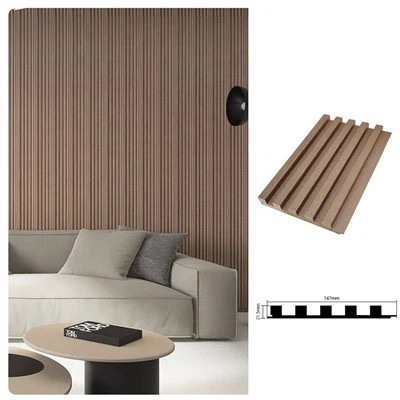
As a supplier of sound deadening materials, I often get asked the question: "Can I use sound deadening materials on walls?" The short answer is yes, and in this blog post, I’ll explore in depth the reasons, benefits, types of materials, and installation considerations when using sound deadening materials on walls. Sound Deadening Materials
Why Use Sound Deadening Materials on Walls?
In our daily lives, we are surrounded by various sounds. Some are pleasant, like the chirping of birds or the gentle rustle of leaves. However, there are also unwanted noises, such as traffic sounds, neighbors’ voices, or the hum of machinery. These noises can be a significant source of stress and can disrupt our peace and quiet at home or in the workplace.
Using sound deadening materials on walls can effectively reduce the transmission of these unwanted sounds. For residential buildings, it means a more peaceful living environment. You can enjoy a good night’s sleep without being disturbed by outside noise, or have a quiet space to read, work, or relax. In commercial settings, such as offices, restaurants, or recording studios, sound deadening on walls can improve the overall acoustic quality. In an office, it can reduce distractions and increase productivity. In a recording studio, it is essential for achieving high – quality sound recordings.
Benefits of Using Sound Deadening Materials on Walls
- Improved Privacy: Sound deadening materials can prevent sound from traveling through walls, which is especially important for rooms where privacy is a concern, such as bedrooms, bathrooms, and offices. You don’t have to worry about your conversations being overheard by others.
- Enhanced Comfort: A quieter environment leads to greater comfort. Whether you are at home watching a movie or in a hotel room trying to unwind, the reduction of external noise can make your experience much more enjoyable.
- Increased Property Value: Homes and commercial properties with effective sound insulation are generally more attractive to potential buyers or tenants. By installing sound deadening materials on walls, you can increase the value of your property.
Types of Sound Deadening Materials for Walls
- Mass – Loaded Vinyl (MLV): MLV is a popular choice for sound deadening on walls. It is a dense, flexible material that works by adding mass to the wall. Sound waves have a harder time passing through a heavier barrier, so MLV effectively blocks sound transmission. It can be installed directly on the wall surface or between wall studs. MLV is also relatively easy to cut and install, making it a convenient option for DIY projects.
- Acoustic Foam Panels: These panels are made of open – cell foam and are designed to absorb sound waves. They work by converting sound energy into heat energy as the sound waves pass through the porous structure of the foam. Acoustic foam panels are often used in recording studios, home theaters, and offices to improve the acoustics of the room. They come in various shapes and sizes, and can be easily attached to the wall using adhesive or mounting hardware.
- Fiberglass Insulation: Fiberglass insulation is not only good for thermal insulation but also for sound deadening. It works by trapping air in its fibers, which helps to reduce the transmission of sound. Fiberglass insulation can be installed in wall cavities during construction or renovation. It is a cost – effective option and is widely available in the market.
- Soundproof Drywall: Soundproof drywall is specially designed to have better sound – blocking properties than regular drywall. It is usually thicker and contains special additives or layers that help to reduce sound transmission. Soundproof drywall is a good choice for new construction or when you want to replace existing drywall to improve sound insulation.
Installation Considerations
- Surface Preparation: Before installing sound deadening materials on walls, it is important to prepare the surface properly. This may involve cleaning the wall to remove any dirt, dust, or debris. If you are using adhesive to attach the materials, make sure the wall is dry and smooth.
- Sealing Gaps and Cracks: Even small gaps and cracks in the wall can allow sound to leak through. Use caulk or weatherstripping to seal any gaps around windows, doors, electrical outlets, and pipes. This will help to create a more airtight and sound – tight barrier.
- Proper Installation Technique: Different sound deadening materials require different installation techniques. For example, MLV should be installed tightly against the wall surface without any wrinkles or gaps. Acoustic foam panels should be installed evenly to ensure maximum sound absorption. Follow the manufacturer’s instructions carefully to ensure proper installation.
- Combination of Materials: In some cases, using a combination of different sound deadening materials can provide better results. For example, you can install MLV on the wall surface and then cover it with acoustic foam panels. This way, you can both block and absorb sound, achieving a more comprehensive sound – deadening effect.
Case Studies
Let’s take a look at some real – world examples of using sound deadening materials on walls.
Residential Example: A family living in a busy urban area was constantly disturbed by traffic noise. They decided to install MLV on the walls of their bedrooms. After the installation, they reported a significant reduction in the amount of noise entering their rooms. They were able to sleep better, and the overall comfort of their home improved.
Commercial Example: A recording studio was experiencing sound leakage from adjacent rooms, which affected the quality of their recordings. They installed soundproof drywall and acoustic foam panels on the walls. The result was a much more controlled acoustic environment, allowing them to produce high – quality recordings without interference.
Conclusion
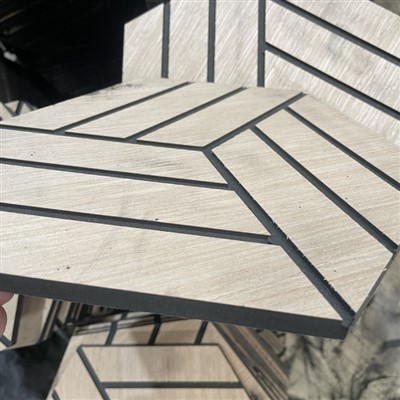
In conclusion, using sound deadening materials on walls is not only possible but also highly beneficial. Whether you are looking to create a peaceful living space at home or improve the acoustic quality of a commercial property, there are various sound deadening materials available to meet your needs. By choosing the right materials and installing them properly, you can effectively reduce the transmission of unwanted sounds and enjoy a quieter environment.
Sound Deadening Materials If you are interested in purchasing sound deadening materials for your walls, we are here to help. We offer a wide range of high – quality sound deadening products, and our team of experts can provide you with professional advice on material selection and installation. Get in touch with us to start your sound – deadening project today.
References
- Olsho, L. W., & Sataroff, R. T. (Eds.). (1994). Noise and society. Raven Press.
- Bies, D. A., & Hansen, C. H. (1996). Engineering noise control: Theory and practice. Spon Press.
- Kryter, K. D. (1985). The handbook of noise control. McGraw – Hill.
Linyi Dongyuan International Trade Co., Ltd.
We’re well-known as one of the leading sound deadening materials manufacturers and suppliers in China, also support customized service. With abundant experience, we warmly welcome you to buy high quality sound deadening materials made in China here from our factory. Contact us for more details.
Address: No.A3-102, Mingzhu North Street, Xicheng, Lanshan District, Linyi City, Shandong Province, China
E-mail: Lydongyuan2024@163.com
WebSite: https://www.dy-wpcwood.com/
