Hey there! I’m a guy running a post fence supply business. One question I get asked all the time is, "How wide should the gaps be in a post fence?" It’s a great question, and the answer isn’t as straightforward as you might think. So, let’s dive into it and figure out the best gap widths for different situations. Post Fence

Understanding the Basics of Post Fence Gaps
First off, what are these gaps for anyway? Well, they’re not just there for looks (although they can definitely add to the aesthetic). The gaps in a post fence serve several practical purposes. They allow for air circulation, which helps prevent the buildup of moisture that can lead to rot and mildew. They also let light through, which is important if you’ve got plants or grass growing on either side of the fence. And in some cases, they’re necessary to meet local building codes.
Now, the width of these gaps can vary depending on a few factors. The type of material you’re using, the purpose of the fence, and even the local climate all play a role. Let’s take a closer look at each of these factors.
Factors Affecting Gap Width
1. Material of the Fence
The type of material your post fence is made from can have a big impact on the ideal gap width. For example, if you’re using wood, you’ll want to leave a bit more space between the posts to allow for expansion and contraction. Wood is a natural material, and it can swell when it’s wet and shrink when it’s dry. If the gaps are too small, the wood might warp or crack as it changes size.
On the other hand, if you’re using metal or vinyl, you have a bit more flexibility. These materials are less likely to be affected by changes in temperature and humidity, so you can get away with smaller gaps. However, you still need to consider the overall strength and stability of the fence.
2. Purpose of the Fence
What are you using the fence for? Is it to keep pets or livestock in? To provide privacy? Or just for decoration? The answer to this question will help determine the appropriate gap width.
If you’re using the fence to contain animals, the gaps need to be small enough to prevent them from squeezing through. For small pets like dogs or cats, you’ll want gaps that are no more than a few inches wide. For larger livestock, like horses or cows, the gaps can be wider, but you still need to make sure they’re not big enough for the animals to get their heads or legs stuck.
If privacy is your goal, you’ll want to keep the gaps as small as possible. A fence with narrow gaps will block the view from the outside, giving you more privacy in your yard. However, if you’re just looking for a decorative fence, you can be a bit more creative with the gap widths. You might choose to have wider gaps to create a more open look, or you could vary the gap widths to add visual interest.
3. Local Climate
The climate in your area can also affect the gap width in your post fence. In areas with high humidity or frequent rainfall, you’ll want to leave larger gaps to allow for better air circulation. This will help prevent the growth of mold and mildew on the fence.
In areas with extreme temperatures, you’ll need to consider the expansion and contraction of the fence material. As I mentioned earlier, wood expands and contracts more than metal or vinyl, so you’ll want to leave more space between the posts if you’re using wood in a climate with big temperature swings.
Recommended Gap Widths for Different Situations
1. Decorative Fences
For a decorative fence, you have a lot of freedom when it comes to gap width. You can go as narrow as 1 – 2 inches for a more formal look, or as wide as 6 – 8 inches for a more rustic or open feel. Some people even like to vary the gap widths along the length of the fence to create a unique pattern.
2. Pet Fences
If you’re building a fence to keep your pets in, the gap width is crucial. For small dogs and cats, gaps of 2 – 3 inches are usually sufficient. This will prevent them from squeezing through, but still allow for good air circulation. For larger dogs, you might need to keep the gaps to 4 – 5 inches.
3. Livestock Fences
When it comes to livestock fences, the gap width depends on the size of the animals. For horses, gaps of 6 – 12 inches are typically recommended. This allows them to see through the fence and reduces the risk of them getting their heads stuck. For cows and sheep, gaps of 4 – 6 inches are usually adequate.
4. Privacy Fences
For a privacy fence, you’ll want to keep the gaps as small as possible. Aim for gaps of 1 inch or less to block the view from the outside. This will give you the most privacy, but it might also limit the air circulation and sunlight penetration.
How to Measure and Set the Gaps
Once you’ve decided on the appropriate gap width for your fence, it’s time to measure and set the gaps. Here’s a simple step-by-step guide:
- Mark the position of the first post. Use a level and a measuring tape to make sure it’s straight and in the right place.
- Measure the gap width from the edge of the first post. Use a spacer or a piece of wood that’s the same width as the desired gap.
- Mark the position of the second post based on the measured gap. Make sure it’s parallel to the first post.
- Repeat the process for the remaining posts, using the spacer to ensure consistent gap widths.
- Once all the posts are in place, double-check the gap widths to make sure they’re even. You can use a ruler or a measuring tape to do this.
Conclusion
So, how wide should the gaps be in a post fence? As you can see, there’s no one-size-fits-all answer. The ideal gap width depends on the material of the fence, the purpose of the fence, and the local climate. By considering these factors and following the recommended gap widths for different situations, you can build a fence that looks great and functions well.
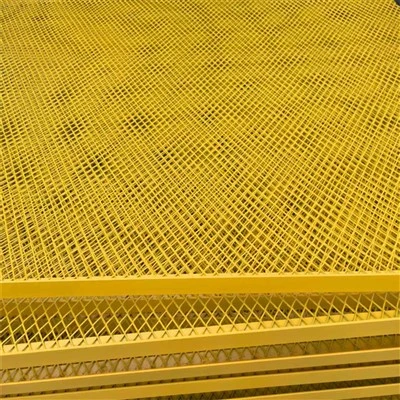
Perforated Mesh Sheet If you’re in the market for a post fence, I’d love to help you out. We’ve got a wide range of fence materials and styles to choose from, and I can offer you expert advice on the best gap widths for your specific needs. Whether you’re looking for a decorative fence, a pet fence, a livestock fence, or a privacy fence, we’ve got you covered. Just reach out, and let’s start discussing your project.
References
- "Fence Building Basics" by Home Depot
- "The Complete Guide to Fencing" by DIY Network
- "Fence Design and Installation" by Lowe’s
Anping Binze Wire Mesh Products Co., Ltd.
We are one of the most experienced post fence manufacturers and suppliers in China, also support customized service. Please feel free to buy high quality post fence for sale here from our factory. For price consultation, contact us.
Address: Taicheng Industrial Zone, Anping County, Hengshui City, Hebei Province
E-mail: binzemesh@outlook.com
WebSite: https://www.binze-mesh.com/
