Yo, what’s up everyone! I’m a supplier of blow room machines, and today I wanna have a chat about whether a blow room machine can be used for non-textile materials. Blow Room Machine
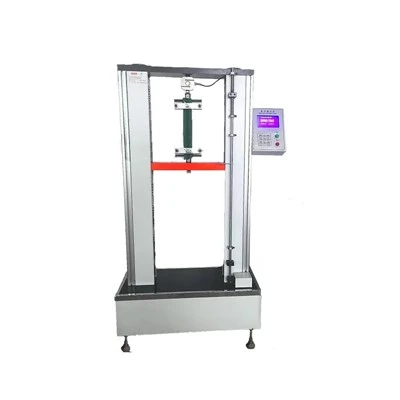
First off, let’s quickly go over what a blow room machine is for those who might not know. A blow room machine is a key part in the textile manufacturing process. Its main job is to open, clean, and blend fibers. It’s like the starting point where raw fibers get prepped for further processing into yarns and fabrics. You throw in the raw fibers, and it does its magic to make them ready for the next steps.
Now, the big question: Can it be used for non-textile materials? Well, the short answer is yes, but it depends on a bunch of factors.
Let’s talk about some non-textile materials that could potentially work with a blow room machine. One example is synthetic fibers used in the automotive industry. These fibers are used for things like car seat upholstery, insulation, and even some parts of the dashboard. They need to be opened, cleaned, and blended just like textile fibers. A blow room machine can handle these synthetic fibers pretty well because the basic principles of opening and cleaning are similar to what it does with traditional textile fibers.
Another non-textile material is recycled plastic fibers. With the growing focus on sustainability, more and more companies are looking to recycle plastic and turn it into useful materials. These recycled plastic fibers can be processed in a blow room machine. It can open up the clumped plastic fibers, remove any contaminants, and blend them to create a more uniform material. This can then be used to make products like carpets, mats, or even some types of packaging materials.
But it’s not all smooth sailing. There are some challenges when using a blow room machine for non-textile materials.
One major issue is the difference in physical properties. Non-textile materials can have different densities, stiffness, and moisture content compared to textile fibers. For example, some synthetic materials might be much stiffer than natural textile fibers. This can cause problems during the opening and cleaning process. The machine might not be able to open the fibers as effectively, or it could damage the non-textile materials.
Moisture content is also crucial. Textile fibers usually have a certain range of moisture that the blow room machine is designed to handle. Non-textile materials might have a different optimal moisture level. If the moisture content is too high or too low, it can affect the performance of the machine and the quality of the processed material.
Another challenge is the presence of contaminants. Non-textile materials might have different types of contaminants compared to textile fibers. For instance, recycled plastic fibers could have bits of metal, dirt, or other plastics mixed in. The blow room machine’s cleaning mechanisms might not be as effective at removing these specific contaminants. This could lead to a lower quality final product or even damage the machine over time.
To overcome these challenges, some modifications to the blow room machine might be necessary. For the difference in physical properties, we can adjust the settings of the machine. For example, we can change the speed of the opening rollers, the intensity of the airflow, or the pressure applied during the cleaning process. This way, we can better adapt the machine to handle non-textile materials.
When it comes to contaminants, we can add additional cleaning devices to the blow room machine. For example, we can install magnetic separators to remove any metal contaminants from recycled plastic fibers. We can also use more advanced filtering systems to catch smaller particles and dirt.
Now, you might be wondering if it’s worth it to use a blow room machine for non-textile materials. Well, there are definitely some benefits.
One of the biggest advantages is cost savings. If a company already has a blow room machine for textile production, using it for non-textile materials can save them from having to buy a whole new set of equipment. It’s a way to make the most of the existing investment.
It also offers flexibility. Companies can diversify their product range by processing non-textile materials. They can enter new markets and meet the demands of different industries. For example, a textile manufacturer can start producing automotive interior materials or sustainable packaging products.
In terms of environmental benefits, using a blow room machine for non-textile materials like recycled plastics can contribute to a more circular economy. It helps reduce waste and the consumption of virgin materials.
So, in conclusion, a blow room machine can be used for non-textile materials, but it comes with its own set of challenges. With the right modifications and adjustments, it can be a great way to process non-textile materials, offering cost savings, flexibility, and environmental benefits.
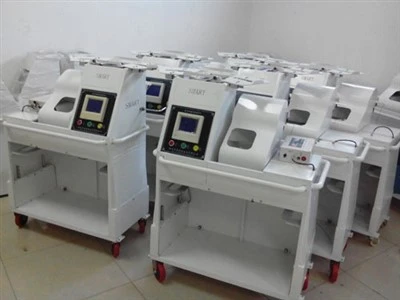
If you’re interested in using a blow room machine for non-textile materials or have any questions about our blow room machines, don’t hesitate to reach out. We can have a detailed discussion about your specific needs and how our machines can be customized to meet them. Let’s start a conversation and see how we can work together to make your production process more efficient and cost-effective.
Carding Machine References:
- "Textile Manufacturing Handbook" – A comprehensive guide on textile manufacturing processes and equipment.
- Industry reports on the use of non – textile materials in manufacturing.
Shandong Hongye Machinery Co., Ltd.
Shandong Hongye Machinery Co., Ltd. is one of the most professional blow room machine manufacturers and suppliers in China, featured by quality products and low price. Please rest assured to buy advanced blow room machine in stock here and get quotation from our factory. Also, 1 year warranty is available.
Address: Room 1104, Building No. 2, Haier Yunjie, No. 99 Chongqing South Road, Qingdao, China
E-mail: sales@seavincn.com
WebSite: https://www.sdhymachinery.com/
