Hey there! I’m a supplier in the business of wire for wiring a house, and I get this question a lot: What type of wire is best for wiring a house? Well, let’s dive right in and explore the different options out there so you can make an informed decision when it comes to your home’s electrical wiring. Wire for Wiring A House
Copper Wiring: The Classic Choice
When we talk about house wiring, copper is like the tried – and – true champ. Why? First off, copper is an excellent conductor of electricity. That means it can carry an electric current with very low resistance. This low resistance is crucial because it reduces the amount of energy lost as heat during the transmission of electricity. And when there’s less heat, there’s a lower risk of electrical fires, which is a huge plus for a home.
Another great thing about copper is its flexibility. It’s easy to bend and shape, which makes it a breeze for electricians to work with when they’re snaking the wire through walls, floors, and ceilings. Whether you’ve got a simple one – story home or a multi – level complex, copper wire can be easily maneuvered to fit your needs.
Copper is also quite durable. It can withstand the wear and tear of being in a home environment for decades. It doesn’t corrode easily, especially when compared to some other metals. So once it’s installed, you can pretty much forget about it and not have to worry about frequent replacements.
However, copper does come with a bit of a price tag. It’s more expensive than some other types of wiring materials. But in my opinion, the benefits it offers in terms of safety, performance, and longevity make it well worth the investment.
Aluminum Wiring: A Cost – Effective Alternative
Aluminum wiring was a popular choice back in the 1960s and 70s, mainly because it was a lot cheaper than copper. At the time, it seemed like a great solution to keep the cost of wiring a house down. Aluminum is a decent conductor of electricity, although not as good as copper. It has about 60% of the conductivity of copper, which means you need a larger diameter wire to carry the same amount of current.
One of the downsides of aluminum wiring is that it can expand and contract more than copper when heated and cooled. This expansion and contraction can cause connections to loosen over time. Loose connections can lead to arcing, which is a major fire hazard. In fact, many older homes with aluminum wiring have had issues and have needed to be rewired with copper to improve safety.
But hey, if you’re working on a tight budget and you can find a way to properly install and maintain aluminum wiring, it can still be an option. For example, using special connectors designed for aluminum wiring can help reduce the risk of loose connections.
Romex Cable: The All – in – One Solution
Romex cable is a type of non – metallic sheathed cable that’s very common in modern home wiring. It usually consists of two or more insulated conductors and a bare ground wire, all wrapped up in a plastic sheath.
One of the big advantages of Romex is its convenience. It comes pre – made, so electricians don’t have to spend a lot of time assembling individual wires. This can save a significant amount of time during the installation process, which in turn can save you money on labor costs.
Romex is also relatively easy to install. It’s lightweight and flexible, and it’s designed to be used in dry, indoor locations like the walls and ceilings of a house. It’s a great option for new home construction or for simple electrical upgrades.
However, Romex is not suitable for all applications. It can’t be used in wet or damp locations, like basements that are prone to flooding or in outdoor areas. If you need wiring in those types of areas, you’ll have to look for a different option.
Underground Feeder Cable (UF): For Outdoor and Underground Use
If you’re looking to run electrical wiring outside your house or underground, then underground feeder cable is the way to go. UF cable is designed to be buried directly in the ground or used in outdoor locations.
It has a tough, moisture – resistant outer sheath that protects the inner conductors from water, dirt, and other environmental factors. This makes it very durable and reliable for outdoor applications. For example, if you want to install a new outdoor lighting system or run power to a shed in your backyard, UF cable is a great choice.
But installing UF cable can be a bit more involved than other types of wiring. You need to make sure you bury it at the right depth (usually at least 18 inches) to protect it from damage. And you have to follow all the local electrical codes to ensure a safe installation.
Choosing the Right Wire Gauge
Now, it’s not just about the type of wire; you also need to choose the right wire gauge. The gauge of a wire refers to its thickness. Thicker wires (lower gauge numbers) can carry more current than thinner wires (higher gauge numbers).
For most general household circuits, like lighting and outlets, 14 – gauge wire is commonly used. It can handle up to 15 amps of current. If you’re dealing with a circuit that has higher power requirements, like a large appliance or an air conditioner, you’ll need a thicker wire, like 12 – gauge, which can handle up to 20 amps.
It’s really important to get the wire gauge right. Using a wire that’s too thin for the amount of current it needs to carry can cause the wire to overheat, which is a fire hazard. So always consult with a professional electrician or refer to the electrical code to determine the correct wire gauge for your specific application.
Making the Decision
So, what type of wire is best for wiring a house? Well, it depends on your specific situation. If you can afford it, copper wiring is generally the safest and most reliable option. It’s great for all types of applications and offers long – term performance.
If you’re on a tight budget and willing to take the necessary precautions, aluminum wiring can be considered. Just make sure it’s installed and maintained properly.
Romex cable is a convenient choice for indoor, dry locations in new homes or for simple upgrades. And if you need to run wiring outdoors or underground, UF cable is the way to go.

As a wire supplier, I’ve seen firsthand the importance of using the right type of wire for a house. It can mean the difference between a safe, efficient electrical system and one that causes problems down the road.
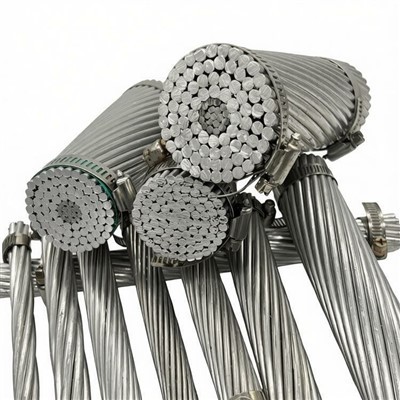
Overhead Electrical Wire If you’re planning a wiring project for your house, I’d love to help you out. I can provide you with high – quality wires and offer advice on which type is best for your specific needs. Don’t hesitate to reach out to start a conversation about your wiring requirements. We can work together to make sure your home’s electrical system is top – notch.
References
- National Electrical Code (NEC)
- Electrical Wiring Handbook
- IEEE Transactions on Power Delivery for technical data on conductivity and safety standards
Hebei Hualun Cable Co., Ltd.
As one of the leading wire for wiring a house manufacturers and suppliers in China, we offer a wide range of products with superior quality. We warmly welcome you to buy cheap wire for wiring a house for sale here from our factory. For price consultation, contact us.
Address: XINGBIEYING INDUSTRIAL ZONE, HEBEI PROVINCE CHINA
E-mail: steven@hualunchcable.com
WebSite: https://www.hualuncables.com/
