Hydraulic surface grinders are indispensable tools in the machining industry, widely used for achieving high-precision flat surface grinding operations. One of the key aspects of operating a hydraulic surface grinder is adjusting the grinding depth accurately. This blog post will provide a comprehensive guide on how to adjust the grinding depth on a hydraulic surface grinder, drawing on my experience as a supplier of these machines. Hydraulic Surface Grinder

Understanding the Importance of Grinding Depth
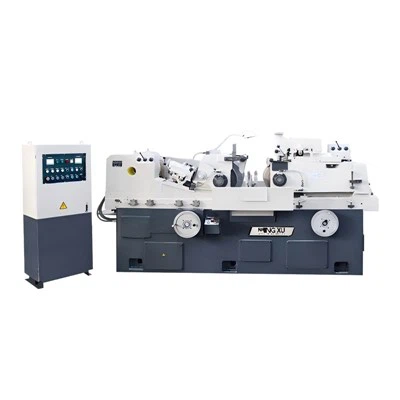
Before delving into the adjustment process, it’s crucial to understand why the correct grinding depth matters. The grinding depth directly affects the quality of the finished workpiece, the efficiency of the grinding process, and the lifespan of the grinding wheel. If the grinding depth is too large, it can lead to excessive heat generation, increased wheel wear, and poor surface finish. On the other hand, if the grinding depth is too small, the machining process will be time – consuming and inefficient.
Pre – adjustment Preparations
- Machine Inspection:
- Before making any adjustments, thoroughly inspect the hydraulic surface grinder. Check for any signs of damage or wear on the machine components, such as the grinding wheel, the table, and the hydraulic system. Ensure that the machine is properly lubricated and that all safety guards are in place.
- Check the hydraulic oil level. Low oil levels can affect the performance of the hydraulic system, which is crucial for the smooth operation of the grinder. If the oil level is low, refill it with the recommended type of hydraulic oil.
- Workpiece Selection and Setup:
- Select the appropriate workpiece for the grinding operation. Consider the material, size, and shape of the workpiece. Secure the workpiece firmly on the magnetic chuck or other work – holding devices. Make sure the workpiece is level and aligned correctly to ensure accurate grinding.
- Measure the initial dimensions of the workpiece using precision measuring tools such as micrometers or calipers. Record these dimensions as they will be used to determine the required grinding depth.
Adjustment Methods
- Coarse Adjustment:
- Most hydraulic surface grinders are equipped with a coarse adjustment mechanism for setting the approximate grinding depth. This is usually achieved by turning the handwheel on the cross – feed or vertical feed mechanism.
- For vertical feed adjustment, locate the handwheel that controls the up – and – down movement of the grinding wheel spindle. Turn the handwheel in the appropriate direction (clockwise to lower the wheel, counter – clockwise to raise it) to set a rough grinding depth. Refer to the machine’s manual for the specific pitch of the handwheel, which indicates the amount of movement per revolution.
- For cross – feed adjustment, use the handwheel that moves the table horizontally. This adjustment can also be used to set the initial position of the workpiece relative to the grinding wheel.
- Fine Adjustment:
- After the coarse adjustment, fine – tune the grinding depth for more accurate results. Many hydraulic surface grinders have a fine – adjustment scale on the handwheels.
- Some machines are equipped with a micrometer – type fine – adjustment device. This allows for very precise adjustments, often in increments of 0.001 inches or 0.01 mm. To use the micrometer – type adjustment, turn the fine – adjustment knob slowly while observing the scale.
- Another method of fine adjustment is to use the hydraulic control system. Some advanced hydraulic surface grinders allow the operator to set the grinding depth through the hydraulic control panel. This method provides more precise and repeatable adjustments, especially for mass – production applications.
Monitoring and Verification
- In – Process Monitoring:
- During the grinding process, continuously monitor the grinding depth. Use a dial indicator or a digital depth gauge to measure the actual depth of cut. Place the measuring device on the workpiece or the table and take readings at regular intervals.
- Observe the surface finish of the workpiece. If the surface finish is rough or there are signs of over – grinding, such as burning or chipping, it may indicate that the grinding depth is too large. In this case, stop the machine and make appropriate adjustments.
- Final Verification:
- After completing the grinding operation, measure the final dimensions of the workpiece using precision measuring tools. Compare the final dimensions with the desired dimensions to ensure that the correct grinding depth has been achieved.
- If there are any discrepancies, analyze the possible causes. It could be due to incorrect adjustment, wheel wear, or workpiece movement during the grinding process. Make the necessary adjustments and repeat the operation if required.
Tips for Efficient Grinding Depth Adjustment
- Use the Right Grinding Wheel:
- Select a grinding wheel that is suitable for the material of the workpiece and the required surface finish. Different grinding wheels have different cutting characteristics, which can affect the optimal grinding depth. For example, a softer wheel may be more suitable for a larger grinding depth, while a harder wheel may be better for fine finishing operations.
- Keep the Grinding Wheel Sharp:
- A sharp grinding wheel can cut more efficiently and accurately. Dress the grinding wheel regularly to maintain its sharpness. Dressing removes the dulled abrasive grains and exposes new, sharp grains, allowing for better cutting performance and more consistent grinding depth.
- Control the Feed Rate:
- The feed rate of the workpiece or the grinding wheel also affects the grinding depth. A higher feed rate may require a smaller grinding depth to avoid excessive cutting forces. Adjust the feed rate according to the material, the grinding wheel, and the required grinding depth.
Conclusion
CNC Centerless Grinder Adjusting the grinding depth on a hydraulic surface grinder is a critical skill that requires a good understanding of the machine’s operation and the grinding process. By following the steps outlined in this blog post, operators can achieve accurate and efficient grinding results. At our company, we are dedicated to providing high – quality hydraulic surface grinders and comprehensive technical support. If you are in the market for a hydraulic surface grinder or need further assistance with grinding depth adjustment or any other aspect of grinder operation, we encourage you to contact us for a detailed discussion. Our team of experts is ready to help you select the right machine for your needs and provide you with the best solutions for your machining requirements.
References
- "Handbook of Machining with Grinding Wheels" by R. Komanduri and A. K. Chattopadhyay
- "Manufacturing Engineering and Technology" by S. Kalpakjian and S. R. Schmid
Wuxi Mingxu Machinery Equipment Co., Ltd.
As one of the most professional hydraulic surface grinder manufacturers and suppliers in China, we’re featured by quality products and good price. Please rest assured to buy the best hydraulic surface grinder for sale here from our factory. Also, custom service is available.
Address: No. 5-5 Jinke Wealth Plaza, Changjiang North Road, Xinwu District, Wuxi City, Jiangsu Province
E-mail: yingyingmxjd@163.com
WebSite: https://www.mingxu-china.com/
