Can an engraving machine engrave on aluminum?
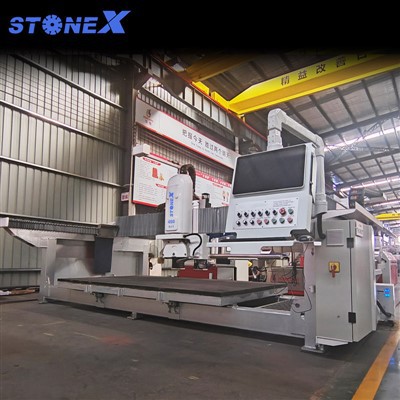
In the dynamic world of manufacturing and craftsmanship, the question of whether an engraving machine can engrave on aluminum is both relevant and practical. As a seasoned supplier of engraving machines, I’ve witnessed firsthand the growing demand for engraving on various materials, with aluminum emerging as a popular choice due to its unique properties and wide range of applications. This blog post aims to delve into the intricacies of engraving on aluminum, exploring the capabilities of engraving machines, the factors to consider, and the benefits of this process. Engraving Machine
Understanding Aluminum as an Engraving Material
Aluminum is a lightweight, durable, and corrosion-resistant metal that has found its way into numerous industries, including automotive, aerospace, electronics, and jewelry. Its malleability and relatively low hardness make it an ideal candidate for engraving, allowing for detailed and precise designs to be etched onto its surface. Whether it’s creating serial numbers, logos, or decorative patterns, aluminum provides a smooth and versatile canvas for engraving.
One of the key advantages of aluminum is its ability to hold fine details. Unlike some harder metals, aluminum doesn’t chip or crack easily during the engraving process, enabling the creation of intricate designs with sharp edges and clean lines. This makes it a popular choice for applications where precision is paramount, such as in the production of nameplates, badges, and custom parts.
Another benefit of using aluminum for engraving is its aesthetic appeal. Aluminum has a natural metallic sheen that can enhance the visual impact of the engraved design. Whether left in its natural state or finished with a powder coat, anodizing, or plating, aluminum engravings can have a professional and polished look that is suitable for a variety of settings.
Types of Engraving Machines Suitable for Aluminum
There are several types of engraving machines available on the market, each with its own set of capabilities and limitations when it comes to engraving on aluminum. Here are some of the most common types:
- CNC Engraving Machines: Computer Numerical Control (CNC) engraving machines are highly precise and versatile. They use a computer-controlled spindle to carve designs into the aluminum surface. CNC machines can work with a variety of tools, including end mills, ball nose cutters, and engraving bits, allowing for a wide range of engraving depths and styles. They are ideal for producing large quantities of identical engravings with high precision.
- Laser Engraving Machines: Laser engraving machines use a high-powered laser beam to vaporize the aluminum surface, creating a permanent mark. Laser engraving is non-contact, which means there is no physical tool touching the material, reducing the risk of damage. Laser engravers are capable of producing extremely detailed and intricate designs, and they can engrave on both flat and curved surfaces. They are often used for applications where speed and high-resolution engraving are required.
- Rotary Engraving Machines: Rotary engraving machines use a rotating cutting tool to engrave the aluminum. These machines are relatively simple and cost-effective, making them a popular choice for small businesses and hobbyists. Rotary engravers can produce deep, durable engravings and are suitable for applications where a more traditional engraving look is desired.
Factors to Consider When Engraving Aluminum
While engraving on aluminum is generally achievable with the right equipment, there are several factors that need to be considered to ensure a successful outcome:
- Aluminum Alloy: Different aluminum alloys have varying hardness and composition, which can affect the engraving process. For example, some alloys may be more prone to burring or melting during engraving. It’s important to choose the right alloy for your specific application and to adjust the engraving parameters accordingly.
- Engraving Speed and Depth: The speed and depth of the engraving will depend on the type of engraving machine, the tool being used, and the desired outcome. Engraving too quickly or too deeply can cause damage to the material, while engraving too slowly or shallowly may result in a faint or incomplete mark. It’s essential to find the optimal settings through testing and experimentation.
- Surface Preparation: Proper surface preparation is crucial for achieving a high-quality engraving. The aluminum surface should be clean, smooth, and free of any contaminants or oxidation. This can be achieved through cleaning, sanding, or degreasing the surface before engraving.
- Cooling and Lubrication: Depending on the engraving method, cooling and lubrication may be necessary to prevent overheating and damage to the tool and the material. For example, CNC engraving machines may require the use of coolant to keep the tool cool and to flush away chips and debris.
Benefits of Engraving on Aluminum
Engraving on aluminum offers several advantages over other materials and engraving methods:
- Durability: Aluminum is a strong and durable material that can withstand harsh environmental conditions, making it suitable for outdoor and industrial applications. Engraved markings on aluminum are resistant to fading, scratching, and corrosion, ensuring long-lasting visibility and legibility.
- Versatility: Aluminum can be engraved in a variety of styles and depths, from shallow surface markings to deep, three-dimensional engravings. This versatility allows for endless creative possibilities, making it suitable for a wide range of applications, including signage, promotional items, and custom jewelry.
- Cost-Effectiveness: Compared to other metals, aluminum is relatively inexpensive, making it a cost-effective option for engraving projects. Additionally, the engraving process itself is often more efficient and less expensive than other marking methods, such as printing or embossing.
- Aesthetic Appeal: As mentioned earlier, aluminum has a natural metallic sheen that can enhance the visual impact of the engraved design. The combination of the metal’s smooth surface and the precision of the engraving creates a professional and polished look that is sure to impress.
Conclusion
In conclusion, an engraving machine can indeed engrave on aluminum, offering a cost-effective, durable, and versatile solution for a wide range of applications. Whether you’re a small business owner looking to add a personal touch to your products or a large manufacturer in need of high-volume engraving, there is an engraving machine that can meet your needs.
As a leading supplier of engraving machines, I am committed to providing our customers with the highest quality equipment and the best possible support. Our team of experts is available to help you choose the right engraving machine for your specific application and to provide training and technical assistance to ensure your success.
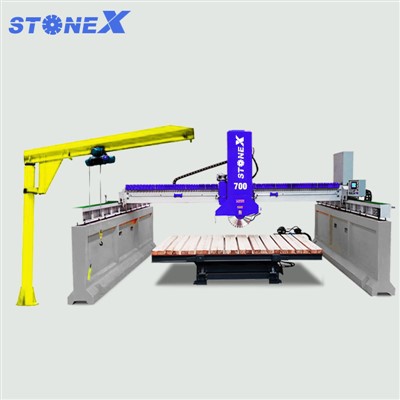
Block Cutting Machine If you’re interested in learning more about our engraving machines or have any questions about engraving on aluminum, please don’t hesitate to contact us. We look forward to the opportunity to discuss your needs and to help you achieve your engraving goals.
References
- "Aluminum Alloys: Properties, Processing, and Applications" by John R. Davis
- "CNC Machining Handbook" by Peter Smid
- "Laser Engraving and Cutting: Principles and Applications" by Christopher P. Edwards
Nantong Huayi Intelligent Equipment Co., Ltd.
Address: Dongsheng Stone Industry Park, Changjiang Town, Rugao City, Jiangsu Province, China
E-mail: claire@hualongm.com
WebSite: https://www.hystonemachinery.com/
