If you’ve ever ordered a custom batch of stainless steel perforated sheets for a project—whether it’s for architectural cladding, industrial filtration, interior design accents, or even functional components for food and beverage processing—you know the frustration of opening a shipment to find rust spots, bent edges, or perforations clogged with debris that ruin weeks of planning. As a stainless steel perforated sheet supplier with 12 years in the industry, I’ve seen it all: a custom order for a downtown café’s perforated metal facade ruined by improper outdoor storage at a construction site, a batch of filtration-grade sheets corroded because they were stacked on a concrete floor in a damp warehouse, and even a set of perforated stair treads warped by being left out in a sudden summer thunderstorm. Stainless Steel Perforated Sheet
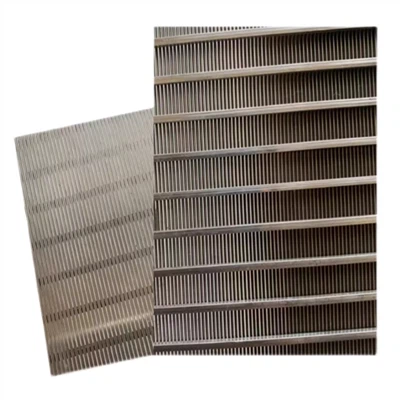
Stainless steel doesn’t need the same extreme care as mild steel, but that doesn’t mean it’s indestructible. Perforated sheets have tiny, precise holes—often just millimeters wide—that can trap moisture, dust, or foreign particles if stored wrong, and their flat, thin structure makes them far more prone to bending or scratching than solid steel plates. Over the years, I’ve refined our internal storage protocols at the warehouse, and worked with dozens of our clients to develop site-specific storage plans that prevent avoidable damage. Today, I want to share what I’ve learned, straight from a supplier who deals with these sheets every single day.
First, let’s clear up a common myth: stainless steel is stainless, not stain-proof. The name comes from its chromium-rich surface layer, which forms a passive oxide barrier that repels corrosion under normal conditions. But that barrier can break down if it’s exposed to three key things: moisture with high chloride content (think coastal air, road salt from winter construction, or even tap water that’s sat on the sheet for weeks), foreign metal particles (like tiny iron shavings from a nearby mild steel fabrication area that fall onto the stainless surface), and prolonged direct contact with harsh chemicals. For perforated sheets, this risk is even higher because the holes create tiny crevices that trap these contaminants, making it easy for corrosion to start before you even realize there’s a problem.
The foundation of good storage, no matter if you’re storing sheets at your warehouse, a job site, or a small shop, is surface prep. I can’t tell you how many clients skip this step because they think new sheets are “already clean.” Most stainless steel perforated sheets leave the mill with a light, protective oil film—this is intentional, to prevent surface scratches during transport, but it also traps dust and mill-scale debris that accumulated during perforation and cutting. Before you even move the sheets into long-term storage, take 10 minutes to wipe each sheet down with a mild, pH-neutral stainless steel cleaner (never use abrasive scours or harsh chemicals like bleach, which will etch the surface and break down the passive layer) and a lint-free microfiber cloth. Pay extra attention to the edges and the perforations: use a soft brush or compressed air to blow out any fine debris that’s stuck in the holes, because even a tiny particle of iron dust in a 2mm perforation can lead to a rust spot within a month if left undisturbed.
Next, where and how you store the sheets is just as important as cleaning them. Let’s break this down into the two most common storage scenarios: indoor storage (for sheets kept at a permanent warehouse or facility) and outdoor storage (for sheets waiting at a construction site, which is a huge pain point for most of our clients).
For indoor storage, the number one rule is elevation. Never lay stainless steel perforated sheets directly on concrete or bare flooring. Concrete is porous, and it holds moisture—even if the floor feels dry, condensation or residual moisture in the concrete will wick up onto the bottom edge of the sheet, especially if the relative humidity in your storage space is above 60%. (For reference, most comfortable indoor humidity is 30-50%, but warehouses with poor ventilation can easily hit 70% during humid summer months.) We use heavy-duty, plastic-coated metal racks at our warehouse, but if you don’t have industrial racks available, wooden pallets work perfectly—just make sure they’re heat-treated (to avoid insect residue that could transfer to the steel) and place them at least 6 inches off the floor to prevent any contact with pooled water.
When stacking sheets on racks or pallets, never lay them flat directly against each other. Perforated sheets have a lot of open space, so stacking them flat creates air pockets between layers that trap moisture and prevent proper ventilation. Instead, stand them vertically, leaning at a 15-degree angle against a support beam or a sturdy rack. This is a trick we learned after a client stacked 20 sheets flat in his warehouse, only to find the top of each set had rust spots where no one had checked because the sheets were buried. Standing perforated sheets vertically also distributes their weight evenly, preventing bending or warping—something especially critical for thin-gauge sheets (under 1mm thick) that are often used for facade work or decorative applications. If you have to stack a few flat sheets for short-term storage (like a week or less), place a layer of acid-free, polyethylene sheet between each one to create a small gap for airflow, and never stack more than 10 sheets high, as the weight of upper sheets will bend the lower ones’ perforated edges.
Now, outdoor storage is the part I get asked about most, and it’s where I see the most mistakes. I once worked with a client in Florida who stored 50 sheets of 316-grade stainless steel perforated cladding (316 is the coastal grade, designed to resist chloride corrosion) outside for three months in a half-covered tarp, only to open them and find 20% of the sheets had surface rust. The tarp was stretched tight against the sheets, so condensation got trapped between the metal and the tarp, and the site’s nearby road construction had kicked up loads of dust with iron particles that settled on the sheets. If you have to store stainless steel perforated sheets outdoors—maybe your job site doesn’t have a covered storage area, or delivery is delayed and you don’t have space indoors—follow these non-negotiable rules.
First, never leave them in direct sunlight or rain. Even 316-grade stainless steel will degrade over time if exposed to prolonged UV radiation, which can break down the surface passive layer, especially in hot climates. Second, use a breathable cover, not a plastic tarp. Plastic traps moisture like a plastic bag, but a heavy-duty, woven polyethylene cover (often called a “breathable construction cover) lets air circulate while blocking rain and direct sun. Make sure the cover is loose enough to leave at least 1 foot of space between the cover and the top of the sheets, so air can flow through and prevent condensation. Third, if you’re storing sheets in a coastal or winter construction area where road salt is present, add an extra step: before covering, wipe the sheets down with a mild rust inhibitor formulated for stainless steel, not for mild steel (mild steel inhibitors often leave a residue that’s hard to remove). And if you can, place the sheets on a bed of gravel or wooden blocks, not on dirt or grass, which holds moisture and can leach chemicals onto the metal.
Even with perfect storage, there are some common mistakes that can ruin perforated sheets, and I see these all the time with first-time clients. The biggest one is dragging sheets across the ground or against other metal. Perforated sheets have sharp edges and soft surfaces, so dragging them will scratch or bend the perforations—something that’s impossible to fix without re-perforating, which is an expensive, time-consuming process. Instead, always lift sheets with two people, using a flat, wide lifting hook that doesn’t catch on the perforations, or use a sheet lifter clamp designed for thin metal. Another mistake is storing perforated sheets near other metal materials, especially mild steel or aluminum. Even small iron shavings from a nearby steel beam or a piece of hardware that’s left next to your stainless steel sheets can transfer onto the surface and cause “galvanic corrosion,” which is a type of rust that starts at the site of the foreign metal particle. We keep our stainless steel storage section in the warehouse completely separate from our mild steel and aluminum sections, and we mark the aisle with bright yellow tape so our team never accidentally brings a foreign metal part near the perforated stock.
Finally, the last tip: check on your sheets regularly. I tell all our clients to do a 5-minute visual inspection every two weeks, even if they’re stored properly. Look for any surface spots, discoloration, or debris stuck in the perforations, and wipe them down with a mild cleaner if you notice anything. If you do find a minor rust spot on a sheet, don’t panic—most small surface rust spots on stainless steel can be removed with a non-abrasive stainless steel polish, and the sheet can still be used. But if you let the rust sit for months, it will eat through the passive layer and can even cause pitting in the metal, which ruins structural integrity.

At the end of the day, stainless steel perforated sheets are an investment—they’re durable, long-lasting, and add so much value to a project, but they only stay that way if you treat them right. As a supplier, my job isn’t just to cut and perforate metal and ship it to you; it’s to make sure that metal arrives in perfect condition, and to help you keep it in perfect condition until you’re ready to install it. Whether you’re a contractor with a job site full of sheets, a designer planning a commercial project, or a small business owner ordering perforated metal for a custom part, I’ve worked with every type of client to tailor storage plans that fit their space and timeline. If you have questions about storing your specific grade or gauge of stainless steel perforated sheet, or you need help with a custom order for your next project, don’t hesitate to reach out for a conversation. We’re here to make sure your metal lasts as long as you need it to.
Stainless Steel Screen Pipe References
- Stainless Steel Design Handbook: Corrosion Resistance and Selection, American Iron and Steel Institute
- Perforated Metal Fabrication and Storage Best Practices, Metal Building Manufacturers Association
- Guidelines for Outdoor Storage of Metal Materials, International Code Council
Hebei Zhenou Wire Mesh Products Co., Ltd.
As one of the most professional stainless steel perforated sheet manufacturers and suppliers in China, we’re featured by quality products and good price. Please rest assured to buy discount stainless steel perforated sheet for sale here from our factory. Customized orders are welcome.
Address: Anping Economic Development Zone, Hengshui City, Hebei Province, China
E-mail: anna.zowm@gmail.com
WebSite: https://www.zowiremesh.com/
