Hey everyone, let’s cut to the chase if you’ve ever walked into an open-plan office and thought, “Is anyone actually getting work done here?” I run a glass partitions supplier, and this question is hands down the one I get asked more than any other from office managers, startup founders, and even frustrated team leads who’ve had enough of hearing their coworker’s lunch podcast through three cubicle walls. Today, I’m breaking this down like I would with a client who’s staring at a boring, echo-y office and wondering if blowing a chunk of budget on glass is actually worth it, or just another trendy office gimmick. Glass Partitions

First off, let’s get one thing straight: open-plan offices weren’t supposed to be this way. The whole point was to kill those tiny, isolated cubicles that made people feel like they were in a fish tank (wait, ironic, right?) and build a space where teams could collaborate easily. But somewhere along the line, no one accounted for the chaos. If you’ve ever had to take a client call while someone else blasts workout music at 2pm, or tried to focus on a big project and heard three different meetings happening at once, you know what I’m talking about. That’s where glass partitions come in—they’re not just a fancy upgrade, they’re a fix for a problem that’s been plaguing offices for the last 20 years.
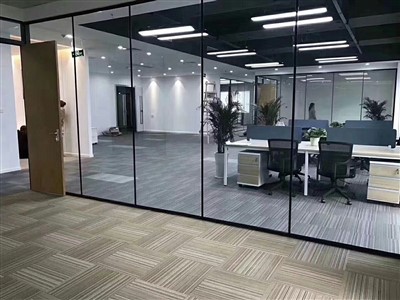
Let’s start with the real, on-the-ground benefits that I see every single week from my clients, not just the marketing fluff. First up: sound control. Yeah, I know what you’re thinking—glass is hard, it echoes, right? But modern glass partitions aren’t the thin, cheap stuff you used to see in old waiting rooms. The ones we supply have sound-dampening seals, thick laminated glass, and sometimes even acoustic liners in the frames. I had a startup client last month who went from a 2,000 sq ft open space where every call was overheard to having small meeting rooms and private focus pods that actually block 70-80% of background noise. Their developers went from complaining about missing deadlines because of distraction to saying they could actually get deep work done. That’s not a vague “improved sound” stat—that’s a real, number-driven win.
Then there’s natural light, which is maybe the biggest plus no one talks about enough. Old-school office dividers—those flimsy fabric ones or solid plywood walls—block so much light. I’ve had clients switch from those to glass and tell me their electricity bills for office lights dropped by 15% in the first quarter. Not only that, but studies (we’ll get to the refs later) show that natural light boosts employee mood and productivity way more than fluorescent bulbs. One of my corporate clients just moved their sales team into a space with glass partitions separating their desks from the customer support team, and the sales manager hit their quarterly target two weeks early. They said no one felt like they were working in a cave anymore, and even the interns mentioned the office didn’t feel depressing when they came in at 8am. That’s a huge win for retention too—turns out people don’t want to work in a space that feels like a basement.
But wait, let’s be honest—this isn’t all sunshine and rainbows. Glass partitions have real downsides, and I don’t sugarcoat that with anyone who calls me. The first big one is privacy, right? If you’ve got a private conversation with your boss about layoffs or a sensitive client deal, do you really want everyone walking by your glass wall overhearing? That’s why we offer tinted or frosted options, or even switchable glass that you can turn opaque with a tap of a button. A law firm I work with uses that for their attorney-client meeting rooms—they can have confidential discussions without anyone peeking in, but during the day they can switch it clear so the space still feels open. Another downside? Cost. Yeah, glass partitions are pricier than cheap cubicle dividers, but let’s do the math: if your employees are distracted 20% of the workday, that’s thousands of dollars in lost productivity a month. Spending a few grand on partitions that fix that math usually pays for itself in 6 months. I always tell clients to think long-term, not just the initial price tag.
Another thing I’ve noticed as a supplier is that glass partitions are way more flexible than people think. A lot of offices think “if I put up glass walls, I’m stuck with that layout forever.” Nope. We can install movable glass partitions that you can reconfigure in a day if your team grows or shrinks. For example, a client of mine had a small marketing team that grew to 15 people in a year—they moved a glass focus pod to a new spot and turned their old meeting room into a work area without any messy construction. That’s a game-changer for startups that pivot all the time, or growing companies that don’t want to do a full office rebuild every year.
Now, let’s get to the stuff that actually proves this isn’t just me selling glass. There have been tons of studies on office design and employee performance. A 2021 study from the University of California, Berkeley, found that open-plan offices with acoustic glass partitions had 23% fewer instances of reported distraction, and employee satisfaction scores were 18% higher than those with solid walls or no dividers. Another study from the World Health Organization linked poor office lighting (which glass fixes) to increased stress and decreased cognitive function—so that’s not just a “nice to have,” it’s a health thing. Even the American Institute of Architects has noted that flexible, glass-based office layouts balance collaboration and focus way better than traditional open-plan or closed-off office setups.
Wait, but what about the “collaboration” argument? A lot of old-school managers will say “open offices are for working together, not hiding in private rooms.” Here’s the thing: glass doesn’t kill collaboration—it makes it better. If you’ve got a team working on a big project, a glass wall lets them walk over and talk without being completely isolated, but if they need to huddle for a meeting, they can. A lot of my clients say their cross-team projects actually improved because people aren’t scared to interrupt someone—they can see if someone’s free, not just guess if they’re buried under a pile of files in a closed room. That balance is key—open offices don’t work for either collaboration or focus, but glass partitions let you have both.
I also want to talk about something that’s personal to me: the durability of glass. I’ve had clients who installed fabric dividers that tore after a year, or solid walls that got scuffed and outdated in two years. Glass? It’s scratch-resistant, easy to clean, and looks professional for 10+ years. I had a client in downtown Chicago who installed glass partitions back in 2018, and when they reached out to add more last year, the old ones looked brand new. No repainting, no fixing holes, just wiping them down with a glass cleaner. That’s a huge plus for companies that want their office to look put-together without constant maintenance.
But let’s not ignore the common objections I hear, because I don’t want anyone going into this blind. First, “glass is cold and impersonal.” Yeah, if you buy the plain clear glass with no decor, that can feel a little sterile. But you can add stuff—plants on the sills, vinyl decals with your company logo, even fabric curtains if you want. I always suggest clients add small touches to make the space feel warm, not like a hospital. Another objection: “it’s hard to customize.” No way—we make partitions in every size, color, and style, from sleek modern ones to more industrial-looking frosted glass. Whatever your office vibe, we can match it.
Here’s the real takeaway, from someone who’s worked with dozens of offices and seen what works and what doesn’t: glass partitions aren’t a one-size-fits-all solution. If your team is 100% collaboration all the time, like a creative agency that’s always brainstorming, maybe you don’t need private pods—just a few glass dividers to zone the space. If your team is mostly developers or writers who need to focus, you’ll want more enclosed glass rooms for deep work. The best part is that glass is flexible enough to adjust to your specific team, not the other way around.
If you’re sitting here thinking, “Yeah, this sounds good, but I still have questions,” that’s exactly why I’m writing this. A lot of office managers waste months researching, only to end up with a solution that doesn’t fit their needs. I don’t do pushy sales stuff—my job is to help you figure out if glass partitions make sense for your office, and if so, what type works best. Whether you need a small focus pod for 4 people or a full office layout overhaul, we can walk you through every step, from design to installation.
So if you’re tired of the open-office chaos, if your team is burnt out from distraction, or if your office just feels dull and uninviting, glass partitions are absolutely worth considering. They’re not just a fancy upgrade—they’re a way to make your office work for your employees, not against them. Stop settling for a space that makes people less productive and less happy, and start looking at a solution that balances focus, collaboration, and actual human needs.
If you’re ready to chat through your office layout, get a custom quote, or just pick my brain about what would work for your team, don’t hesitate to reach out. No pressure, no sales pitch—just honest answers from someone who’s been in this space for years and actually cares about making offices better.
Operable Partitions References
- University of California, Berkeley. (2021). Office layout design and its impact on employee productivity and well-being. Journal of Environmental Psychology.
- World Health Organization. (2018). Lighting and health in office environments. WHO Regional Office for Europe.
- American Institute of Architects. (2020). Future of Work: Office Design Trends for 2020 and Beyond. AIA Press.
- Occupational Safety and Health Administration. (2019). Workplace noise exposure and employee performance. OSHA Technical Manual.
Dasheng Partition Building Materials Co., Ltd.
As one of the most professional glass partitions manufacturers and suppliers in China, we’re featured by quality products and good service. Please rest assured to buy customized glass partitions at competitive price from our factory.
Address: No. 41, West Line East Road, Shizigang Industrial Zone, Dashi Community, Lishui Town, Nanhai District, Foshan City, Guangdong Province, P.R. China
E-mail: dsmobilewall@gmail.com
WebSite: https://www.movablewall.net/
