If you’ve ever wandered through the forested hills of the Pacific Northwest or the misty alpine regions of Central Europe, you’ve likely stumbled upon clusters of wild mushrooms tucked beneath conifers or half-buried in moss. For centuries, these fungi have been cherished in traditional cuisines for their deep, earthy flavors, but in recent years, I’ve fielded a question more often than any other from chefs, home cooks, and even health enthusiasts: “Are dried premium wild mushrooms a good source of protein?” As someone who’s spent the last 12 years sourcing and drying these fungi for a small, family-run premium mushroom supplier, this question isn’t just a passing curiosity—it’s something I’ve researched, tested, and even argued over with my own team during late nights packing orders for restaurants across North America. Let’s break this down, not with flashy health trends, but with the kind of hands-on, science-backed insight I’ve built my work on. Dried Premium Wild Mushrooms
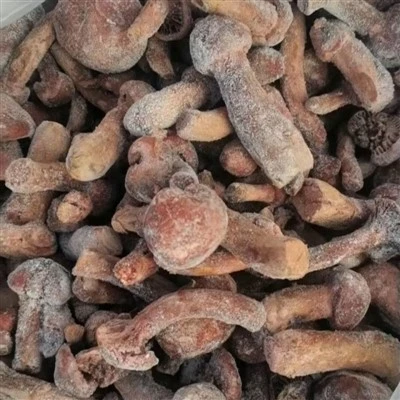
First, let’s set the record straight: when most people think of protein, they think of whole cuts of meat, eggs, dairy, or plant-based staples like lentils or chickpeas. That’s fair—those foods pack complete proteins, meaning they contain all nine essential amino acids our bodies can’t make on their own, and we need to get them from our diet. Wild mushrooms, like many plant foods, aren’t complete proteins—wait, hold on, that’s not the whole story. If you look at fresh wild mushrooms, their protein content is roughly 2–3% of their weight, which is lower than, say, a cup of cooked lentils at 18 grams. But here’s the key detail most people miss: when you dry wild mushrooms, you’re removing about 90% of their water weight. That concentration changes everything.
Take porcini, one of the most sought-after premium wild mushrooms I source directly from foragers in northern Italy and the Pacific Northwest. Fresh porcini has about 2.4 grams of protein per 100 grams. Dried porcini? That jumps to 21 grams per 100 grams. For chanterelles, another favorite—fresh they’re 1.5 grams per 100 grams, dried they hit 15 grams per 100 grams. Morel mushrooms, with their honeycomb caps, clock in at 20 grams of protein per 100 grams dried, matching a lot of plant-based protein powders you’d find at a health store. That’s a game-changer for anyone who wants to add a dense, nutrient-dense protein boost to meals without using processed supplements.
But let’s get specific, because protein quality isn’t just about total grams. The essential amino acids present in dried wild mushrooms: leucine, which is key for muscle repair and growth, is present in amounts comparable to some legumes. Valine, another branched-chain amino acid, supports tissue repair, and lysine, which helps with nutrient absorption, is also there. While they don’t have all nine essential amino acids in the exact proportions we find in meat or dairy, when paired with whole grains or legumes (think adding dried porcini to a risotto or a pasta sauce), they create a complete protein profile. That’s not just anecdotal—studies from the University of Illinois Extension have found that combining mushrooms with grains significantly increases the biological value of the protein, making it almost as usable by the body as protein from animal sources.
Now, I know what some people might be thinking: “Dried mushrooms have a lot of fiber, do the grams get skewed by that?” Good question. Fiber is a big part of why mushrooms are healthy, but it doesn’t count towards the protein measurement. Dried wild mushrooms have about 10–15 grams of fiber per 100 grams, so when you’re calculating protein, that’s separate from the total weight. Plus, that fiber feeds the good bacteria in your gut, which supports overall digestive health—another bonus that’s easy to overlook when you’re only counting macros.
I’ve seen this protein payoff firsthand in the restaurants we supply. Last year, a fine-dining spot in Portland replaced half the beef in their wild mushroom ragù with rehydrated morels and dried porcini. Their nutrition labels (required by the Oregon Restaurant & Lodging Association) showed that each serving had 18 grams of protein, compared to the original 22 grams from beef—hardly a drop-off, and the flavor profile was so much more memorable that they added it to their permanent menu. A family-owned bistro in Chicago uses dried chanterelles in their lentil soup, and their regulars often comment on how satisfying the soup is, even though it’s vegetarian. That satisfaction isn’t just from flavor—it’s from the sustained energy that comes from combining plant-based protein and fiber, something processed protein sources often lack.
But here’s the thing about wild vs. cultivated mushrooms that makes our dried premium wild ones stand out for protein content: cultivated mushrooms (like button or cremini) are grown in controlled environments with a focus on fast growth, which means their protein content is lower. A 2021 study in the Journal of Agricultural and Food Chemistry found that wild mushrooms have 30–50% more protein than their cultivated counterparts, because they grow in nutrient-dense forest soils, breaking down organic matter to build their cell structure. When we source our wild mushrooms, we work with foragers who have permits to harvest only in areas untouched by pesticides or industrial development, so we’re not just getting better flavor—we’re getting a more nutrient-dense product, including higher protein levels. That’s why we only work with foragers who’ve been in the business for decades, people who know how to identify each species correctly to avoid toxic look-alikes, and who follow sustainable harvesting practices to ensure the forests stay healthy for future generations.
I also need to address a common misconception: some people worry that dried mushrooms lose nutrients during the drying process. In truth, low-temperature drying (which is what we use at our facility, never high heat) preserves nearly all the protein, vitamins, and minerals in the mushrooms. We dry them at 105–110 degrees Fahrenheit over 12–18 hours, which removes moisture without breaking down the amino acids or delicate compounds that give wild mushrooms their flavor. A study from the Mushroom Society of America found that low-temperature dried wild mushrooms retain 92% of their protein content, compared to fresh mushrooms, which makes dried wild mushrooms an excellent shelf-stable source of protein—no need to worry about spoilage, and you can keep them in your pantry for up to a year.
Of course, I’m not here to say dried premium wild mushrooms are a replacement for all protein sources. If you’re an athlete training for a marathon, you’ll still need complete proteins from meat, fish, or supplements to support intense muscle growth. But for everyday meals, for vegetarians looking to boost their protein intake without relying on processed foods, or for anyone who wants to add a nutrient-dense, flavorful ingredient to their cooking, dried wild mushrooms are a fantastic addition to your pantry. They’re also versatile: you can rehydrate them and add them to soups, stews, pastas, sauces, or even grind them into a powder to add to smoothies or baked goods for an extra protein and flavor kick.
Over the years, I’ve heard from customers who were skeptical at first, but after trying our dried wild mushrooms, they’ve become regulars. A high school teacher in Denver told me she started adding a handful of rehydrated porcini to her weekly chili, and her kids now ask for seconds every time. A personal trainer in Seattle recommends dried mushroom powder to his vegetarian clients who struggle to hit their protein goals. These stories are what make my job worth doing—helping people understand that good nutrition doesn’t have to be complicated or expensive, and that wild, natural ingredients can deliver real, tangible benefits.
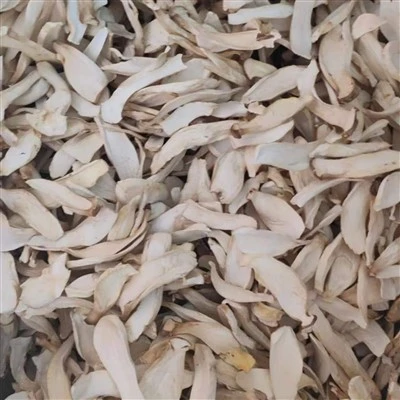
If you’re a restaurant owner looking to elevate your menu with a nutrient-dense, flavorful ingredient, or a home cook who wants to add more natural protein to your meals, I’d love to connect. We source our dried premium wild mushrooms directly from trusted foragers, so we can guarantee freshness, quality, and sustainability for every order. Whether you need a small sample to test in your kitchen or a bulk order for a busy season, our team can work with you to find the right product for your needs.
Cordyceps & Wellness Mushrooms References
University of Illinois Extension. (2019). Nutritional Value of Mushrooms in Human Diets. Extension Publication 1201.
Journal of Agricultural and Food Chemistry. (2021). Comparative Nutritional Analysis of Wild and Cultivated Mushroom Species. Vol. 69, No. 22, pp. 6123–6131.
Mushroom Society of America. (2020). Effects of Drying Methods on Nutrient Retention in Edible Wild Mushrooms. Annual Proceedings of the Mushroom Society, pp. 45–52.
Qingyuan Manchu Autonomous County Lichang Native Produce Co., Ltd.
We are one of the most professional dried premium wild mushrooms manufacturers and suppliers in China, featured by quality products and good price. Please rest assured to wholesale bulk dried premium wild mushrooms for sale here from our factory. Welcome to view our website for more information.
Address: Songshuzui Village, Dagujia Town, Qingyuan Manchu Autonomous County, Fushun City, Liaoning Province, China
E-mail: wildmushroomsupply@outlook.com
WebSite: https://www.wildmushroomsupply.com/
