Hey folks, let’s cut to the chase—if you’ve ever been around chemical manufacturing, specialty materials, or even something as everyday as the plastics that hold your snack, you’ve probably heard two terms thrown around a lot: esters and anhydrides. As someone who’s spent over a decade supplying esters (that’s my jam, for the uninitiated), I get it—they look so similar on paper, it’s easy to mix them up, especially if you’re new to sourcing. I’ve lost count of how many times a buyer emailed me asking for “that anhydride stuff for plastic coatings” when they actually needed a specific ester variant, or vice versa. So today, we’re breaking down the real, on-the-ground differences—not just the textbook stuff, but what actually matters when you’re picking materials for your next project. Esters
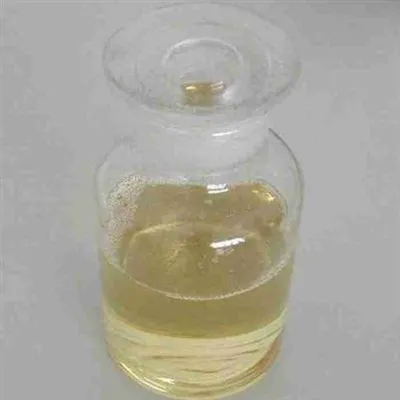
First, let’s start with the basics, but keep it real. Both esters and anhydrides are organic compounds with oxygen atoms, right? But where they get built is totally different. Think of it like baking: an ester is like a cake made from a carboxylic acid (say, citric acid from lemons, or acetic acid from vinegar) and an alcohol (like ethanol in rubbing alcohol, or benzyl alcohol used in fragrances). The reaction is called esterification—basically, you snip out a water molecule from the two ingredients, and boom, you get an ester. That’s why you’ll hear esters referred to as “carboxylic acid derivatives” paired with alcohol.
Anhydrides, on the other hand, are like two carboxylic acid cakes smooshed together, minus two water molecules. Literally—they’re compounds where two acyl groups (the part of the molecule that makes acids acidic) are connected by an oxygen atom. So instead of that extra hydrogen from an alcohol hanging around, you’ve got two acid parts hooked up directly. Super important to note: there’s no alcohol involved in making an anhydride. That’s one of the first red flags if someone’s mixing them up—if your supplier’s talking about reacting an acid with something that has an -OH (alcohol group), that’s ester territory, not anhydride.
Now, let’s get to the stuff that actually matters for you, because who cares about structure if it doesn’t affect what you use? Let’s talk reactivity first, because that’s where I see most sourcing mistakes happen. Esters are pretty chill, most of the time. They’re stable, low-reactivity, which is why they work great as plasticizers, fragrance carriers, or solvents for things like paints. For example, ethyl acetate—one of the most common esters I supply—has that sweet, fruity smell (think nail polish remover, which is mostly it) and doesn’t react easily with other materials unless you heat it super high or put it in really strong, harsh conditions.
Anhydrides? They’re way feistier. They’re super reactive, especially with water or alcohols. In fact, if you spill a small amount of acetic anhydride (another common one, used a lot in textile processing or plastic resins) on a workbench, it’ll react with the moisture in the air to make acetic acid—aka vinegar. That’s not a bad thing for some uses, like if you need a compound that will cure or harden quickly, but it’s a disaster if you’re making a stable product that can’t have unexpected reactions. I’ve had a customer once order a bulk shipment of esters for a food packaging film, and they accidentally swapped in anhydride by mistake—turned out the anhydride reacted with the water in the plastic resin mid-production, ruining an entire batch of film before it even hit the extrusion line. Cost them tens of thousands, all because they didn’t check the reactivity.
Next up: applications. This is where my experience as an ester supplier comes in handy, because I know exactly what esters bring to the table vs. what anhydrides do. Let’s start with esters, since that’s my world. The biggest uses for esters I supply are plasticizers (to make plastics flexible instead of brittle), fragrance and flavor carriers (they hold scents or tastes without breaking down too fast—think how perfumes often use esters to make the scent last longer), solvents for inks and coatings, and even some pharmaceutical excipients (they’re gentle enough to use in pill coatings or topical creams).
Wait, let’s be specific with examples. Take our dimethyl adipate ester—super common in flexible PVC for things like wire insulation, garden hoses, and even kids’ toys. It keeps the PVC soft and pliable in cold weather, no cracking. Then there’s benzyl benzoate ester, which we supply to the fragrance industry because it has that subtle, sweet, floral base note that doesn’t overpower other scents. And for industrial uses, butyl acetate is a staple solvent for spray paints—evaporates fast, leaves a smooth finish, no harsh residue.
Now anhydrides. What do they get used for? Mostly as curing agents or cross-linkers for resins. Like, maleic anhydride is used to make unsaturated polyester resins for boat hulls and construction materials—they react with other chemicals to form a hard, durable, rigid structure. Acetic anhydride is used in textile processing to set dyes, and also in making cellulose acetate for things like eyeglass frames and cigarette filters. But the key here is: anhydrides are almost never used as gentle, stable carriers or plasticizers—they’re for reactions, for making hard stuff, not soft or slow-release stuff.
Another big difference: safety and handling. I always tell my customers this is non-negotiable. Esters are generally low-to-moderate hazard. Yeah, some like ethyl acetate are flammable, but they don’t react violently with air or water. You can store them in regular steel drums in a climate-controlled warehouse, no special ventilation beyond what’s standard for solvents. Most esters we supply are also compliant with food-grade standards, which is why they work for food packaging or flavor applications—super important for that industry.
Anhydrides, though? They’re irritants, some are corrosive, and many react aggressively with water to release acid fumes. Acetic anhydride fumes can burn your eyes and lungs if you don’t have proper PPE, and maleic anhydride is even a skin irritant that can cause blisters on contact. They also require more specialized storage—sealed drums, dry environments, because any moisture in the air will make them degrade over time. I had a customer a few years ago who stored a batch of anhydrides in a damp warehouse, and by the time they used them, 20% had turned into acid, making the entire batch useless. That’s not a problem I’ve ever seen with properly stored esters—they’re way more forgiving.
Wait, let’s talk about cost too, because that’s a big factor for sourcing. Generally, esters are more affordable than comparable anhydrides. The raw materials for esters (carboxylic acids and alcohols) are more widely available, and the production process is simpler with less harsh byproducts. Anhydrides require extra steps to remove water from the two acids, and they have more hazardous byproducts to dispose of, so that drives up the cost. So if you’re getting a quote that’s way higher for a “stable carrier chemical,” odds are it’s not an ester, and if you’re getting a quote that’s too low for a curing agent, it’s probably an ester being passed off as something stronger.
But here’s the thing I want to make clear: it’s not that one is “better” than the other. They just fill totally different niches. I once had a customer come to me asking for a chemical to use in a latex-based sealant that needed to be flexible, stable, and non-toxic—perfect for our line of adipate esters. Another customer needed a chemical to cure a rigid epoxy resin for heavy-duty construction—they went to an anhydride supplier, and it worked exactly for what they needed. The problem is when people don’t take two minutes to ask: do I need a stable, low-reactivity compound that’s safe for handling and food contact, or do I need a reactive, curing agent that’s designed to bond other materials? That’s where the ester vs. anhydride mix-up happens.
As an ester supplier, I talk to buyers every day who are unsure which is right for their project. Let’s break down a quick cheat sheet to remember, so you don’t make the same mistakes I’ve seen:
- If it’s used for flexibility, stable scents/flavors, food contact, or solvents: it’s almost definitely an ester.
- If it’s used for curing resins, making hard materials, or requires harsh reaction conditions: it’s an anhydride.
- If the chemical is labeled “low reactivity, stable, food-grade”: ester.
- If it’s labeled “reactive, corrosive, requires special PPE”: anhydride.
Now, I’m not here to bash anhydrides—they serve a critical purpose, and I’ve referred customers to anhydride suppliers plenty of times when their project needed something I don’t carry. But as an ester supplier, my whole thing is making sure buyers get the right ester for their needs, no confusion, no wasted batches, no extra costs.
Here’s the part I always hate seeing: when a buyer buys the wrong chemical, they end up with a product that doesn’t work, or has safety issues, or is too expensive. For example, a cosmetic company I worked with once bought anhydrides thinking they’d be better for a perfume base—turns out the anhydrides reacted with the fragrance oils, making the scent smell sour within a week. We switched them to our benzyl benzoate ester, and their perfume stayed stable for months, plus it was cheaper. That’s the kind of value I try to bring: not just selling chemicals, but helping you pick the right one.
So let’s wrap this up. The core differences, in plain terms, are:
- Structure: Esters are acid + alcohol, minus water. Anhydrides are two acids, minus water.
- Reactivity: Esters are chill, stable. Anhydrides are reactive, feisty.
- Uses: Esters for flexibility, scents, food-safe stuff. Anhydrides for curing hard resins.
- Safety: Esters are easy to handle, store safely. Anhydrides need PPE and dry storage.
If you’re a buyer trying to sort out which you need, don’t hesitate to reach out. We can walk through your project, answer questions, send samples if you need to test, and make sure you get the exact ester variant that works for your application—no guesswork, no wasted time or money. Whether you need a food-grade ester for packaging, a solvent for inks, a plasticizer for PVC, or something else entirely, we’ve got you covered.
If you want to chat through your specific needs, just reach out to our team to start a conversation about your next ester order. We’re here to help.
Frother References:
- Solomons, T. W. G., & Fryhle, C. B. (2020). Organic Chemistry (12th ed.). Wiley.
- Ullmann’s Encyclopedia of Industrial Chemistry. (2021). Esters, Organic; Anhydrides, Organic. Wiley-VCH.
- National Institute for Occupational Safety and Health (NIOSH). (2022). Chemical Safety Information Summaries: Esters and Anhydrides. U.S. Department of Health and Human Services.
Bitop Bihope Qingdao Mining Co., Ltd
Bitop Bihope Qingdao Mining Co., Ltd. is one of the most professional esters manufacturers and suppliers in China, featured by quality products and low price. Please rest assured to buy discount esters in stock here and get quotation from our factory. Customized orders are welcome.
Address: Room 410, 4th Floor, Shengquan Business Building, No. 263 Yitong Road, Huangdao District, Qingdao City, Shandong Province, China
E-mail: btbhmining@163.com
WebSite: https://www.btbhmining.com/
