In the dynamic world of construction, especially in tunnel projects, the choice of drilling tools is a critical decision that can significantly impact the success and efficiency of the operation. As a supplier of DTH (Down-The-Hole) drilling tools, I’ve encountered numerous inquiries about the applicability of DTH drilling tools in tunnel construction. This blog aims to provide a comprehensive exploration of this topic, shedding light on the potential uses, advantages, and limitations of DTH drilling tools in the context of tunnel building. DTH Drilling Tools
Understanding DTH Drilling Tools
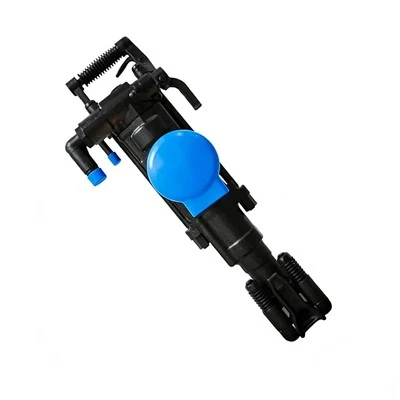
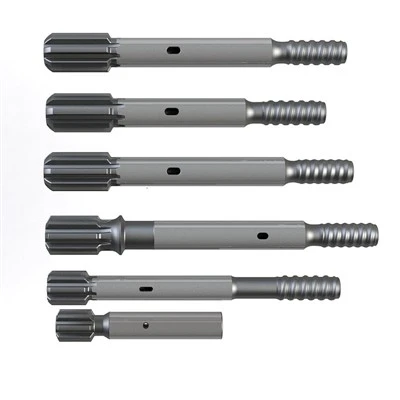
Before delving into their use in tunnel construction, it’s essential to understand what DTH drilling tools are. DTH drilling is a method where the hammer mechanism is located at the bottom of the drill string, directly above the drill bit. This design allows the hammer to impact the drill bit, breaking through the rock more effectively. DTH drilling tools typically consist of a drill bit, a hammer, a drill pipe, and a coupling. The hammer is powered by compressed air, which is delivered through the drill pipe. When the compressed air enters the hammer, it causes a piston to move rapidly up and down, striking the drill bit and generating the force needed to penetrate the rock.
Suitability of DTH Drilling Tools in Tunnel Construction
Advantages
- High Penetration Rate: One of the most significant advantages of DTH drilling tools in tunnel construction is their high penetration rate. In hard rock formations, which are commonly encountered in tunnel projects, DTH drilling can achieve much faster drilling speeds compared to other methods. The direct impact of the hammer on the drill bit allows for efficient rock breaking, reducing the time required to drill each hole. This rapid penetration rate can significantly accelerate the overall tunneling process, leading to shorter project timelines and cost savings.
- Precision Drilling: DTH drilling tools offer excellent precision, making them suitable for tunnel construction where accurate hole placement is crucial. The design of the DTH hammer ensures that the drill bit maintains a straight path, minimizing deviation from the desired drilling direction. This precision is essential for creating the proper alignment of holes for blasting, which is a key step in tunnel excavation. By achieving accurate hole placement, DTH drilling can improve the efficiency of blasting operations, resulting in better fragmentation of the rock and reducing the amount of over – break or under – break.
- Versatility in Rock Types: DTH drilling tools can be used in a wide range of rock types, from soft to extremely hard and abrasive rocks. Whether it’s limestone, granite, or basalt, DTH hammers can adapt to different geological conditions. This versatility is particularly valuable in tunnel construction, as tunnels often pass through various rock formations. With DTH drilling tools, contractors can use the same equipment throughout the project, regardless of the changes in rock hardness and composition.
- Reduced Vibration and Noise: Compared to some other drilling methods, DTH drilling produces less vibration and noise. In tunnel construction, minimizing vibration is important to prevent damage to the surrounding rock mass and adjacent structures. Reduced noise levels also improve the working environment for the construction workers and can help meet environmental regulations in areas where noise pollution is a concern.
Limitations
- High Initial Investment: The cost of DTH drilling equipment is relatively high compared to some traditional drilling methods. This includes the cost of the drill rig, DTH hammers, drill bits, and other accessories. For smaller tunnel projects with limited budgets, the high initial investment may be a deterrent. However, it’s important to consider the long – term benefits, such as higher productivity and lower operating costs over the life of the project.
- Limited in Confined Spaces: In some cases, the size of DTH drilling equipment may pose a challenge in confined tunnel spaces. The drill rig and the associated equipment require a certain amount of space to operate effectively. In narrow tunnels or tunnels with complex geometries, it may be difficult to maneuver the DTH drilling equipment, which could limit its use.
- Air Supply Requirements: DTH drilling relies on a continuous supply of compressed air. In tunnel construction, providing an adequate air supply can be a logistical challenge, especially in long – distance tunnels. The air compressors need to be properly sized and located to ensure that the required air pressure and volume are maintained throughout the drilling process. Additionally, the air supply system needs to be well – maintained to prevent any disruptions in the drilling operation.
Applications of DTH Drilling Tools in Tunnel Construction
- Blast Hole Drilling: One of the primary applications of DTH drilling tools in tunnel construction is blast hole drilling. Before the tunnel excavation can proceed, a series of holes are drilled into the rock face, which are then filled with explosives for blasting. DTH drilling’s high penetration rate and precision make it an ideal choice for creating these blast holes. The accurate placement of the holes ensures that the blasting is effective, resulting in the controlled fragmentation of the rock and the efficient removal of the excavated material.
- Anchorage Drilling: In tunnel construction, anchorage systems are often used to stabilize the tunnel walls and roof. DTH drilling tools can be used to drill the holes for installing rock bolts, ground anchors, and other types of anchorage devices. The ability of DTH drilling to penetrate hard rock and achieve precise hole depths makes it suitable for this application. The strong and reliable anchorage systems created with DTH – drilled holes enhance the safety and stability of the tunnel structure.
- Grouting Hole Drilling: Grouting is a common technique used in tunnel construction to improve the strength and stability of the surrounding rock mass. DTH drilling tools can be used to drill the holes for grouting injection. The high – quality holes drilled by DTH equipment ensure that the grout can be evenly distributed in the rock fractures, filling the voids and strengthening the rock structure.
Case Studies
There have been several successful applications of DTH drilling tools in tunnel construction projects around the world. For example, in a large – scale mountain tunnel project in Europe, the contractor initially used traditional rotary drilling methods but faced slow progress due to the hard granite rock formations. After switching to DTH drilling, the penetration rate increased significantly, allowing the project to catch up on the schedule. The precise hole placement also improved the blasting efficiency, reducing the amount of over – break and the need for additional rock support.
In another tunnel project in Asia, DTH drilling was used for anchorage hole drilling. The ability of the DTH tools to drill straight and deep holes in a variety of rock types ensured the reliability of the anchorage system. This contributed to the overall stability of the tunnel during the construction and operation phases.
Conclusion
In conclusion, DTH drilling tools can indeed be used in tunnel construction, offering several advantages such as high penetration rate, precision drilling, versatility in rock types, and reduced vibration and noise. However, they also have some limitations, including high initial investment, challenges in confined spaces, and air supply requirements. Despite these limitations, the benefits of DTH drilling tools make them a viable option for many tunnel construction projects, especially those involving hard rock formations and where precise drilling is required.
Coupling As a supplier of DTH drilling tools, I am confident in the quality and performance of our products. Our DTH drilling tools are designed and manufactured to meet the highest standards, ensuring reliable operation and long – service life. If you are involved in a tunnel construction project and are considering the use of DTH drilling tools, I encourage you to contact me to discuss your specific requirements. We can provide you with detailed product information, technical support, and competitive pricing. Let’s work together to find the best drilling solution for your tunnel project.
References
- "Drilling and Blasting in Mining and Civil Engineering" by Ove Ouchterlony
- "Tunnel Engineering Handbook" edited by Evert Hoek and John D. Bray
- Industry reports on tunneling technology and equipment from leading construction research organizations.
Super Rock Machinery Equipment (Qingdao) Co., Ltd.
We are one of the most professional DTH drilling tools manufacturers and suppliers in China, featured by quality products and good price. Please feel free to buy advanced DTH drilling tools for sale here from our factory. Welcome to view our website for more information.
Address: No. 45, Pengwan Road, Qianwan Bonded Port Area, Qingdao Sub-district, Free Trade Pilot Zone, Shandong China
E-mail: sales@superrocktools.com
WebSite: https://www.superrocktools.com/
