Hey there! As a controller supplier, I’ve had the opportunity to see firsthand how these nifty devices play a crucial role in so many different industries. So, I thought I’d take a few minutes to chat about the main functions of a controller. Controller
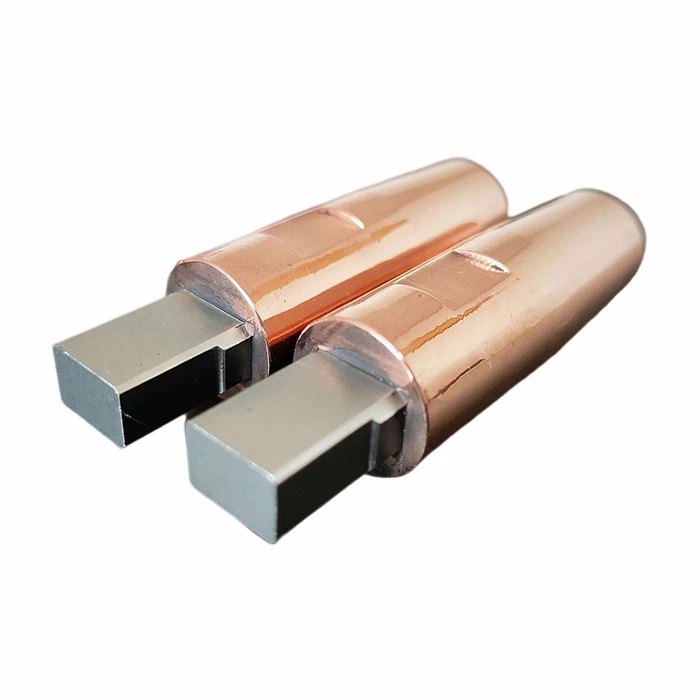
First off, let’s dig into what a controller actually is. In simple terms, a controller is a device that manages and controls various processes or systems. It acts like the brain behind the operation, making sure everything runs smoothly and efficiently. Now, let’s get into the nitty – gritty of its main functions.
1. Process Control
One of the most important functions of a controller is process control. This means regulating and maintaining specific conditions within a process. For example, in a manufacturing plant, a controller can be used to control the temperature, pressure, and flow rate of a chemical reaction.
Let’s say you’re running a factory that produces plastic products. The injection molding process requires a very precise temperature to ensure the plastic melts and takes the right shape. A temperature controller will continuously monitor the temperature of the molding machine. If the temperature goes too high or too low, it will adjust the heating or cooling system accordingly. This helps in maintaining the quality of the products and also reduces waste.
In the food and beverage industry, controllers are used to control the fermentation process in brewing. The controller will manage the temperature, pH level, and oxygen levels to make sure the yeast ferments the sugars properly and creates a high – quality beer or wine.
2. Automation
Automation is another key function of a controller. With the help of a controller, you can automate repetitive tasks, which saves time and labor costs. For instance, in a warehouse, a controller can be used to automate the movement of conveyor belts. It can start and stop the belts at the right times, adjust the speed, and even sort products based on their size or weight.
In a smart home system, a controller can automate the lighting, heating, and security systems. You can set the controller to turn on the lights at a certain time of the day, adjust the thermostat based on the outside temperature, and arm the security system when you leave the house. This makes your life a whole lot easier and more convenient.
3. Monitoring and Feedback
Controllers are also great at monitoring different parameters and providing feedback. They can collect data from sensors placed throughout a system and then analyze it. For example, in a power plant, controllers monitor the voltage, current, and frequency of the electricity being generated. If there’s any deviation from the normal values, the controller will send an alert to the operators.
This feedback loop is essential for maintaining the stability and safety of a system. In a water treatment plant, controllers monitor the quality of the water, such as the levels of chemicals like chlorine and pH. If the water quality is not up to the standard, the controller can adjust the treatment process to correct it.
4. Safety and Protection
Safety is a top priority in any industry, and controllers play a big role in ensuring it. They can detect abnormal conditions and take immediate action to prevent accidents. For example, in an industrial oven, a controller can detect if the temperature is rising too quickly, which could be a sign of a malfunction. It can then shut off the power to the oven to prevent a fire.
In a vehicle, the engine control unit (ECU), which is a type of controller, monitors the engine’s performance. If it detects a problem, like a misfire or low oil pressure, it can trigger a warning light on the dashboard and, in some cases, limit the engine’s power to prevent further damage.
5. Communication and Integration
Modern controllers are often designed to communicate with other devices and systems. They can send and receive data over a network, allowing for better integration and coordination. For example, in a building automation system, a controller can communicate with other controllers that manage the lighting, HVAC, and security systems. This enables all these systems to work together seamlessly.
In a factory, controllers can communicate with the enterprise resource planning (ERP) system. They can send data about production rates, quality control, and inventory levels, which helps managers make better – informed decisions.
6. Adaptability and Flexibility
The last function I want to talk about is the adaptability and flexibility of controllers. These devices can be programmed or re – programmed to suit different applications and changing requirements. For example, if you’re running a small – scale production line and you want to expand it later, you can easily modify the controller to handle the increased production volume and new processes.
In a research laboratory, a controller can be programmed to perform different experiments with different parameters. This allows scientists to test various hypotheses without having to buy new equipment every time.
So, there you have it – the main functions of a controller. As a supplier, I’ve seen how these functions can transform the way businesses operate. Whether you’re in manufacturing, energy, healthcare, or any other industry, a good controller can improve efficiency, quality, and safety.

If you’re interested in learning more about how our controllers can benefit your business, or if you’re ready to start a procurement discussion, don’t hesitate to reach out. We’re here to help you find the perfect controller solution for your needs.
Flexible Projection Welding Line References
- "Industrial Control Systems Handbook" by William Bolton
- "Automation, Production Systems, and Computer – Integrated Manufacturing" by Mikell P. Groover
- "Control Systems Engineering" by Norman S. Nise
Wuxi Haifei Intelligent Equipment Co., Limited
Wuxi Haifei Intelligent Equipment Co., Limited is well-known as one of the leading controller manufacturers and suppliers in China. Please rest assured to buy high quality controller made in China here from our factory. For price consultation, contact us.
Address: 28 Shuiyun Road, Yuecheng, Jiangyin, Jiangsu Province, China. 214404
E-mail: WD03@busbarwelder.com
WebSite: https://www.busbarwelder.com/
