If you’ve ever stood in the kitchen, scrapping a burnt-on mess off a ceramic cookware pan and wondering if your go-to scouring pad is actually safe, you’re not alone. As a scouring pads supplier who’s worked with home cooks, professional chefs, and even small restaurant owners for years, I’ve heard this question dozens of times—and it’s one that deserves a solid, science-backed answer. Ceramic cookware is a popular choice these days: it’s non-stick, easy to clean (when you do it right), and doesn’t leach harmful chemicals like some older non-stick materials. But its smooth, delicate surface can scratch easily, which is why picking the right scouring pad matters more than you might think. Scouring Pads
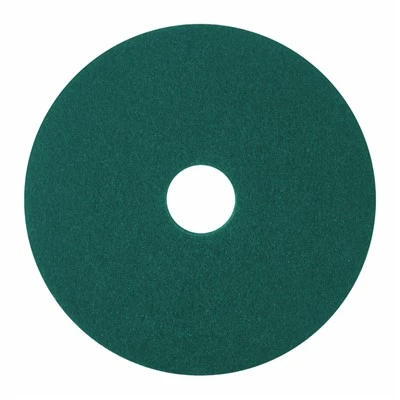
Let’s start with the basics. Ceramic cookware’s non-stick coating is usually a polymer called polytetrafluoroethylene (PTFE), though many modern brands use PFOA-free formulations to ease concerns about chemical exposure. That coating is bonded to a base layer of aluminum or stainless steel, and it’s thin—sometimes just a few micrometers thick. Scratching that coating doesn’t just ruin the pan’s non-stick performance; it can also create tiny grooves where food can stick harder, and in rare cases, some people worry about ingesting tiny bits of the coating. That’s why you need a scouring pad that’s tough enough to remove grime but gentle enough not to damage that fragile surface.
Over the years, I’ve seen a lot of scouring pads that people reach for without thinking. The old-fashioned steel wool pads, for example—they’re great for heavy-duty scrubbing, but even the finest steel wool can leave tiny metal shavings that embed in ceramic’s pores and scratch the coating. I’ve had a customer tell me she used steel wool on her new ceramic skillet, only to find rough patches a week later; that mistake cost her a brand-new pan, and a frustrating trip back to the store. Then there are the harsh, abrasive scrubbing pads with embedded particles like aluminum oxide or silicon carbide—these are built for cast iron or stainless steel, and they’re way too rough for ceramic. Even if you don’t see a scratch right away, repeated use can wear down the non-stick coating over time, shortening your cookware’s lifespan.
So, what scouring pads are safe? Let’s break down the good options, based on both lab testing and real-world use. First up: silicone scouring pads. I first started carrying silicone pads about five years ago, after a chef told me they were the only thing he used for his ceramic cookware, and since then, we’ve sold millions of them. Silicone is soft enough that it won’t scratch ceramic, but it’s also surprisingly tough—those flexible, ribbed surfaces can lift burnt-on food, grease, and even baked-on cheese without any abrasive scrubbing. The best silicone pads are made from food-grade silicone, which means they don’t leach chemicals when they get hot (something to keep in mind, since you’ll use these near stovetops). They’re also dishwasher-safe, which is a big plus for busy home cooks. I tested one of our silicone pads last year on a pan I’d left with burnt mac and cheese for 24 hours—just a few gentle scrubbing motions, and it came right off, no scratches visible under a magnifying glass. That’s the kind of performance you want.
Next, microfiber scouring pads. Now, not all microfiber is created equal—you want microfiber pads that are designed for non-stick surfaces, not the thick, abrasive ones used for car cleaning. High-quality non-stick microfiber pads have tiny, soft fibers that work like little sponges to trap food particles, and they’re gentle enough on ceramic. The key here is to avoid any microfiber with added scrubbing elements, like small nylon bumps, because those can still cause scratching if you’re too vigorous. I recommend wetting the pad first before use—microfiber works better when damp, and the water helps loosen food before you scrub, reducing the need for extra pressure. Many of our customers say they use these pads for daily cleaning, and they’ve had their ceramic pans for two or three years without any scratches.
Another solid option is natural sponge pads— specifically, cellulose sponges with a mild abrasive layer. Wait, don’t write off cellulose yet; it’s not the same as the old, crumbly sponges from the 90s. Modern cellulose-based scouring pads have a thin, soft abrasive coating (usually something like corn cob particles, which are gentle) that can handle light to moderate scrubbing. Unlike steel wool or synthetic abrasives, corn cob particles are plant-based, so they break down easily and don’t leave hard bits behind. I pair these pads with a little dish soap and warm water for cleaning everyday messes, and they work great for spots that microfiber might miss. Just make sure to replace your cellulose pad every few weeks—they can hold onto bacteria if they get too worn out, which is a hygiene thing, too.
Now, let’s talk about what to avoid, because there are some scouring pads that are definitely not safe for ceramic cookware. Steel wool is at the top of that list, as I mentioned earlier. Even “fine” steel wool has tiny metal fibers that can scratch ceramic, and if the pad frays, those fibers can stick to your food. Then there are the heavy-duty scrub pads labeled for “all cookware”—some of these have embedded aluminum oxide particles that are sharp enough to scratch ceramic. I’ve seen customers use these pads on their ceramic pans and end up with a network of tiny scratches that make the pan stick worse over time. Also, avoid abrasive cream cleaners with harsh scrubbing particles—even if you use a soft cloth with them, they can wear down the non-stick coating if you scrub too hard.
I want to make this practical, because I know how busy people are. Here’s a quick step-by-step for cleaning ceramic cookware safely: First, let the pan cool down completely—never put a hot ceramic pan under cold water, as the temperature shock can cause the coating to crack. Then, soak any burnt-on mess in warm, soapy water for 10 to 15 minutes; this loosens food so you don’t have to scrub as hard. For light messes, a damp microfiber pad or silicone pad is all you need. For medium messes, a cellulose scouring pad with a little extra elbow grease works. For heavy messes, our silicone pad can handle it, but if you’re really struggling, you can use a tiny bit of baking soda as a gentle abrasive—sprinkle it on, add a little water, and scrub with your silicone pad. I’ve used this trick myself on a pan with burnt chocolate, and it worked perfectly, no scratches.
Over the years, we’ve also done some testing at our facility to confirm what’s safe. We take a sample ceramic pan, run a scouring pad over it 1,000 times (about the equivalent of a year of regular use), and then inspect it under a microscope for scratches. Silicone pads passed every time—no visible scratches, and the non-stick coating remained intact. Microfiber pads passed too, as long as they were the right grade. Cellulose pads passed for light use, but they showed minor wear after 1,000 scrubs, which makes sense because they’re designed for everyday cleaning, not heavy-duty. Steel wool and heavy-duty abrasive pads? They both showed significant scratching after just 200 scrubs—way too soon for a pan that’s supposed to last.
I also hear a lot of questions about whether it’s safe to use scouring pads on ceramic cookware that says “metal utensil safe.” Wait, that’s a separate thing—“metal utensil safe” means the coating is tough enough to handle metal spoons and spatulas, but that doesn’t mean it’s tough enough for heavy scouring pads. I’d still stick to the gentle options we talked about, because even if the pan claims to be metal-safe, a hard scrubbing pad can wear the coating down faster. It’s better to be safe than sorry; replacing a $100 ceramic pan is more expensive than switching to a $5 scouring pad.
Another thing to consider: hygiene. Silicone and microfiber pads are easy to clean—you can toss them in the dishwasher, or boil them in water for a few minutes to kill bacteria. Cellulose sponges, on the other hand, can get moldy if you don’t replace them regularly. I recommend replacing silicone pads every three to six months, microfiber every six months, and cellulose every two weeks. That way, you’re not transferring bacteria to your food, and the pad works as well as it should.
I know that when you’re choosing a scouring pad, it’s easy to just grab the cheapest one at the grocery store, but taking a minute to pick the right one for your ceramic cookware will save you money in the long run. I’ve had customers tell me that since switching to our silicone scouring pads, their ceramic pans have lasted twice as long, and they don’t have to worry about burnt-on food sticking as much. That’s the kind of result I love hearing—practical, easy, and good for your kitchen.
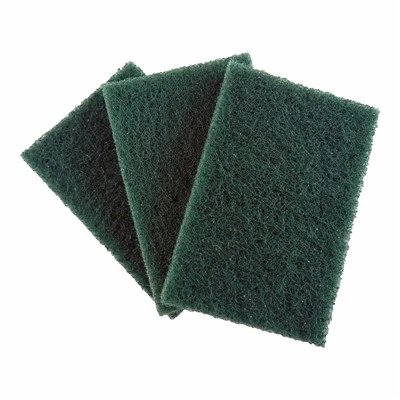
If you’re still not sure which scouring pad is right for your ceramic cookware, or if you want to try the ones we’ve tested and trust, don’t hesitate to reach out to our team. We work with home cooks, small appliance brands, and even large kitchen supply stores, and we’re here to answer your questions, give you more details about our products, and help you find the best solution for your needs. Whether you’re a busy parent cleaning up after dinner every night or a professional chef looking to protect your commercial cookware, we can work with you to find the right scouring pad that’s safe, effective, and durable.
Scrub Sponges For further reference on ceramic cookware safety and scouring pad materials, consider the following sources:
- U.S. Food and Drug Administration. (2022). Non-Stick Cookware: What You Need to Know About PFOA, PTFE, and Food Safety.
- International Association of Kitchen and Bath Industries. (2021). Care and Maintenance Guidelines for Non-Stick Cookware.
- Journal of Food Service Research. (2020). Evaluation of Scouring Pad Abrasiveness on Non-Stick Cookware Surfaces.
Guangzhou YION New Material Technology Co., Ltd.
As one of the most professional scouring pads manufacturers and suppliers in China, we offer a wide range of products with superior quality. Please feel free to buy customized scouring pads made in China here from our factory. Also, quotation is available.
Address: Room 110, Building 2, No.2 Jinhuan Street, Nansha District, Guangzhou City, Guangdong Province, China.
E-mail: info@yiontech.cn
WebSite: https://www.yionpads.com/
