If you’re a memory foam pillow supplier like me, you’ll know that even the most well-designed pillow doesn’t always fit every customer’s needs. Last quarter, we had a first-time client come to us with a problem: their small boutique hotel wanted custom-sized memory foam pillows to fit narrow twin bed frames, but their vendor was backordered. Instead of turning the work away, we took on the challenge—and learned a lot about what tools actually work when cutting memory foam, beyond just a basic kitchen knife. Let’s break this down, from the perspective of someone who’s been working with memory foam for 7 years, no generic “AI advice” here. Memory Foam Pillow
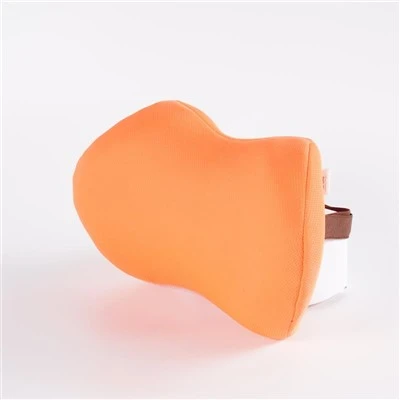
First, a quick reality check: memory foam isn’t like cotton or even standard polyester foam. It’s a viscoelastic material, meaning it softens with body heat and returns to its shape slowly. Cut it wrong, and you’ll end up with lumpy edges, uneven density, or even compressed areas that lose support faster than a properly cut pillow. For our supplier team, that means every tool has to address those unique properties without ruining the material’s core performance.
Let’s start with the non-negotiable tools—no shortcuts here. First on the list: a sharp, long-bladed electric knife. I know what some DIYers will say: “A serrated bread knife works fine for small cuts!” But for a 2-pound memory foam pillow, that’s a lie. Last year, one of our warehouse interns tried using a bread knife to trim a custom pillow for a customer, and the result was a ragged edge that required us to rework the entire piece, wasting 45 minutes of labor and 10 dollars worth of material. Electric knives, though, have consistent, high-speed serrations that cut through memory foam without pulling or compressing the top layer. We use a 10-inch blade model in our warehouse, and it’s the workhorse of our custom cut team. The key here is to use a knife with a serrated blade—straight blades will just press into the foam instead of cutting through it.
Next, a rigid cutting mat with non-slip edges. You might think a regular cardboard box would work, but memory foam is soft enough to shift while you cut, leading to uneven lines. Our team uses a 24×36 inch self-healing cutting mat with a 1/8 inch grid printed along the edges. The non-slip surface keeps the pillow from sliding, and the grid makes it easy to measure straight lines without a tape measure every time. Pro tip: We always lay the mat on a solid wooden workbench, not a flimsy folding table. That prevents the mat from bending under the foam’s weight, which would throw off your cut.
Wait, what about measuring tools? You can’t cut a custom size without accurate measurements. For small, precision cuts (like trimming 2 inches off the length of a standard queen pillow), a steel ruler is better than a plastic one—plastic bends, and even a tiny bend can lead to a cut that’s 1/4 inch off, which feels huge when you’re holding a pillow. We also use a heavy-duty marker (not a pencil!) to mark our cut lines. Pencil marks smudge into memory foam and are hard to wipe off later, but a water-based, permanent marker leaves a clear line that doesn’t bleed into the foam. We always test the marker on a small, hidden corner of a scrap piece first—some cheap markers will discolor memory foam over time, which can lead to customer complaints.
Now, a tool that’s often overlooked but makes a huge difference: a weighted straight edge. When we’re cutting a large custom pillow, like a king-size pillow for a luxury resort, even the most careful person can have a shaky hand. A weighted straight edge (we use a 36-inch aluminum one with a 2-pound lead strip along the bottom) holds the line in place while you cut, so you don’t drift off the mark. It’s especially useful for thick memory foam pillows (we carry 4-pound density for extra support) where the knife blade can flex mid-cut. We tried using a heavy book once, but a book’s surface is too textured, and it would leave indentations on the foam. The weighted aluminum one is smooth and stays firmly pressed to the mat, no indentations.
But wait—what if you’re cutting memory foam for projects that aren’t custom pillow sizing? Like, maybe a customer wants to take their existing memory foam pillow and cut it down to fit a travel bag. For those cases, we recommend a rotary cutter with a 45mm blade. Rotary cutters are popular for fabric, and they work surprisingly well on memory foam because they roll through the material instead of sawing. We use them for smaller trim jobs, like cleaning up the edges of a custom cut pillow after using the electric knife. Just make sure to lock the blade when you’re not using it—memory foam sticks to exposed blades, which is a safety hazard.
Now, the tools we definitely skip. We’ve had customers ask us if they can use a pair of kitchen scissors, and the answer is a hard no. Scissors can’t cut through memory foam’s density, and they’ll just pull the material, leading to uneven edges. We also don’t recommend using a hot knife—some people use hot knives for foam, but memory foam releases a chemical when heated that can irritate the lungs, especially if you’re working in a small space. We learned that the hard way when a supplier used a hot knife to cut test pieces and three workers reported headaches afterward. It’s not worth the safety risk.
Beyond tools, there are a few tricks that our warehouse team has picked up over the years that make cutting memory foam easier. First, always let the foam “relax” for 15 minutes after taking it out of the packaging before cutting. Memory foam compresses during shipping, so if you cut it right away, it will spring back slightly, leaving your cut smaller than you intended. Second, when you cut, apply steady, even pressure—don’t saw back and forth too hard. That’s how you get ragged edges. We also always wear nitrile gloves when cutting memory foam. The foam sticks to skin, and the gloves keep your hands clean, which means you won’t get marker smudges all over the pillow’s outer cover later.
As a memory foam pillow supplier, we know that custom cuts are a big part of what our customers need. Whether you’re a boutique hotel needing custom sizes, an online retailer selling pillows for narrow RV beds, or a customer who wants to trim their pillow to fit a smaller duvet cover, using the right tools makes all the difference. Cutting memory foam wrong doesn’t just waste material—it can lead to a product that doesn’t support the neck and shoulders as it should, which is the whole point of a memory foam pillow.

If you’re a business looking to source custom cut memory foam pillows, or you need reliable tools to cut your own foam for your products, our team is here to help. We offer bulk memory foam blanks perfect for custom cutting, and we can work with you to refine your cutting process to save time and reduce waste.
Memory Foam Seat Cushion References
- ASTM International. (2021). Standard Practice for Cutting Flexible Polymeric Foams for Test Purposes. ASTM D3575-21.
- Memory Foam Council. (2022). Best Practices for Processing and Cutting Viscoelastic Memory Foam. Industry Guideline Series.
- Occupational Safety and Health Administration (OSHA). (2020). Safety Guidelines for Working With Foam Materials. OSHA Publication 3555-11.
Linyi Lujie International Trade Co., Ltd.
As one of the most professional memory foam pillow manufacturers and suppliers in China, we’re featured by quality products and good price. Please rest assured to wholesale bulk durable memory foam pillow in stock here from our factory.
Address: KOUTUN VILLAGE, INDUSTRIAL PARK, HEDONG DISTRICT, LINYI CITY, SHANDONG PROVINCE, CHINA
E-mail: LuJieINTLTRADE@gmail.com
WebSite: https://www.ljmemoryfoam.com/
