If you’ve ever spent time in agriculture, horticulture, or even urban pest control, you know bird-related issues can be tricky—from crop damage and infrastructure mess to health concerns around bird droppings. As a welded mesh supplier who’s worked with growers, landscapers, and pest control teams for over 12 years, I get asked this question all the time: Can welded mesh be used for bird netting? It’s not a yes-or-no answer, and it’s not just about throwing up a roll of wire and calling it a day. Let’s break this down the way I’d explain it to a farmer standing in front of a field, or a school district’s maintenance manager looking to fix their basketball court’s bird problem. Welded Mesh
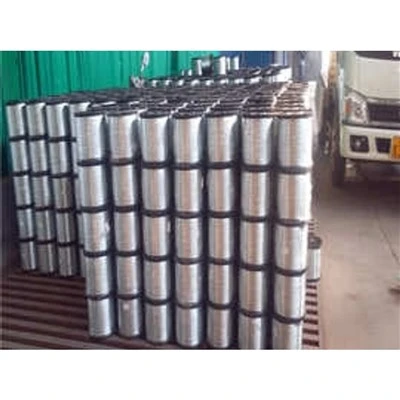
First, let’s get clear on what welded mesh actually is, because a lot of people mix it up with regular bird netting they pick up at a hardware store. Welded mesh is made by welding intersecting wires at every cross point, creating a rigid, uniform grid. The mesh comes in different wire gauges (thickness) and hole sizes, depending on what it’s made for. Bird netting, on the other hand, is usually a flexible, knotted or extruded plastic mesh, designed to be lightweight and drape over areas. At first glance, they might seem similar, but their differences matter a lot when it comes to bird control.
The biggest advantage of welded mesh for bird control is its durability. Plastic bird netting tears easily—whether from wind, heavy rain, a bird slamming into it, or even a raccoid or squirrel chewing through it. Last year, I had a client in central California who tried standard plastic bird netting to protect their cherry orchard. By mid-spring, the netting had dozens of tears, and blackbirds had already eaten a third of their crop. When they switched to welded mesh with a 1-inch hole, they didn’t have a single tear all season. The thicker wire (we use 14-gauge for agricultural applications) can handle strong winds, extreme temperatures, and even small animals trying to chew through it. That’s a huge cost saver—no more replacing netting every few months.
But durability isn’t the only plus. Welded mesh’s rigid structure means it doesn’t sag, which is a big deal for areas where loose netting would get tangled with branches or equipment. I worked with a landscaper in Portland who needed to protect a historic oak tree from woodpeckers. A flexible plastic netting would have sagged against the tree trunk, giving woodpeckers a foothold to peck through. The welded mesh we installed stayed taut, creating a 3-inch gap between the mesh and the tree—just enough space to keep woodpeckers away without letting them reach the bark. That gap is key; if the mesh is too close, birds can still damage the area behind it.
Now, here’s where people start to have questions: what about hole size? If you’re using welded mesh for bird control, the hole size has to match the type of bird you’re targeting. For small birds like sparrows or finches, a ½-inch hole is perfect—they can’t squeeze through, and it’s small enough to keep insects out too, which is a bonus for vegetable gardens. For larger birds like pigeons or blackbirds, a 1-inch hole is better; smaller holes would be unnecessary and more expensive, while larger holes let bigger birds get through. We had a client in Chicago who used 1-inch welded mesh to cover their rooftop HVAC units, and it’s kept pigeons from roosting there for three years now. The mesh’s rigidity also means it doesn’t stretch over time, so the hole size stays consistent—no more accidentally widening holes that let birds in.
But welded mesh isn’t for every bird problem. Let’s talk about the downsides, because honesty matters when you’re a supplier. First, it’s heavier than plastic bird netting. That means it’s more work to install, especially on large areas. If you’re covering a 10-acre cornfield, welded mesh would require more support structures (like steel posts or cables) to hold it up, which adds to the cost. Plastic netting is much lighter, so you can drape it over rows without as much extra support. Second, welded mesh is more expensive upfront. The 14-gauge welded mesh we use for agricultural bird control costs about 3 times more than standard plastic bird netting. So if you’re dealing with a temporary issue—like keeping birds off a balcony for a month—welded mesh might not be worth the investment. It’s a long-term solution, not a short-term fix.
Another consideration: installation. Welded mesh is rigid, so you can’t just throw it over a garden and secure it like plastic netting. You need to frame it or stretch it tight between supports to prevent gaps. I had a first-time client who tried to install welded mesh on their vegetable garden by stapling it to wooden posts. After a heavy wind, the mesh pulled away from the posts, creating 6-inch gaps that sparrows flew right through. Now, when we sell welded mesh for bird control, we always include a guide on installation—how to use cable stays, turnbuckles, and proper fasteners to keep the mesh taut. For people who aren’t comfortable with that, we also work with local contractors who specialize in installing welded mesh for bird control, so they don’t have to figure it out on their own.
Let’s get into some real-world use cases to make this concrete. Last year, I had two clients with similar problems, but different solutions worked for them. The first was a family-owned blueberry farm in Georgia. They were losing 20% of their blueberries to starlings, which are tough birds that peck through even tight plastic netting. We installed 1-inch welded mesh over their 5-acre blueberry rows. The mesh is durable enough to handle the hot Georgia sun and occasional storms, and the starlings can’t get through. They told us last month that their bird damage is down to less than 1%, and they haven’t had to replace any mesh in 12 months. The second client was a small backyard gardener in Texas who wanted to keep sparrows off his tomato plants. He tried plastic netting, but it tore in a week. We sold him a 4×8 foot panel of ½-inch welded mesh, which he installed on a simple wooden frame in his backyard. It’s been two months, no tears, and no sparrows on his tomatoes.
But what about urban bird problems, like pigeons on building ledges or woodpeckers on house siding? Welded mesh works here too, in smaller sizes. For pigeons, we often use 16-gauge welded mesh with 1-inch holes, installed as a barrier on ledges. Pigeons can’t land on the mesh, and the rigid structure means it doesn’t bend under their weight. For woodpeckers, as I mentioned earlier, the key is a tight, spaced gap. We’ve also worked with museums to install welded mesh over outdoor art installations to protect them from bird droppings, which can be corrosive. The mesh is thin enough that it doesn’t detract from the art, but strong enough to hold up over time.
Now, let’s address a common misconception: some people think welded mesh will trap birds. That’s only if it’s installed incorrectly. If you leave big gaps or don’t cover the entire area, birds can get stuck inside. But when installed properly—covering the entire target area with no gaps—birds can’t get in at all. We always tell clients to do a full perimeter check after installation, making sure there are no loose edges or holes where birds can enter. I had one client who forgot to cover the bottom edge of their orchard with welded mesh, and a group of sparrows got in through a 12-inch gap. We fixed it by adding a rolled edge to the bottom of the mesh, so it goes all the way to the ground. That’s a simple fix, but it’s something that comes up when people are new to using welded mesh for bird control.
Another point: animal compatibility. If you have pets or livestock, welded mesh is safe. Unlike plastic netting, which can pose a choking hazard if a dog chews through it, welded mesh’s thick wire is too hard for most animals to chew. We’ve had clients with backyard chickens who use welded mesh to protect their feed from crows—crows can’t get through, and the chickens are safe on the other side. Plastic netting would be a problem here, because chickens can get tangled, and dogs might chew through it and ingest pieces.
So who should use welded mesh for bird netting, and who should stick to plastic? Let’s outline that. Welded mesh is best for: agricultural operations with long-term bird problems (orchards, vineyards, crop fields), urban structures that need year-round protection (rooftops, building facades, HVAC units), areas with large or persistent birds (starlings, pigeons, woodpeckers), and situations where durability is a top priority (areas with high wind, extreme temperatures, or chewing animals). Plastic bird netting is better for: temporary or small-scale applications (balconies, small vegetable gardens for a season), short-term projects (event setups, temporary crop protection), and budget-sensitive projects where upfront cost is the main factor.
As a supplier, we don’t push welded mesh on every customer. We take the time to ask questions: what kind of birds are you dealing with? How big is the area? How long do you need the solution to last? For a small homeowner looking to cover their window for a few months, we’ll recommend a high-quality plastic netting that’s tear-resistant. For a 10-acre apple orchard that needs to last 5+ years, we’ll recommend welded mesh. That’s what sets good suppliers apart—we’re not just selling product, we’re solving problems.
I’ve seen too many suppliers just tell customers “welded mesh works for birds” without considering their specific situation. Last year, a client in Florida bought 10 acres of welded mesh for their watermelon farm, thinking it would fix their bird problem. But they didn’t consider that Florida has frequent hurricanes, and their support structures were too weak. The mesh didn’t hold up, and they ended up with more damage than before. Now, when we work with customers, we not only supply the mesh, but we’ll advise on support structures, hole size, and installation best practices to make sure it works for them. That extra step is what builds trust, and it’s why we’ve had the same clients come back to us for 10+ years.
One more thing to mention: maintenance. Welded mesh requires very little maintenance compared to plastic netting. You don’t have to check for tears every week, or re-tension it after every storm. A quick rinse with a hose once a year to remove dirt or bird droppings is usually enough. Plastic netting, on the other hand, needs regular inspections to fix small tears before they get worse, and it can degrade in sunlight after 1-2 years, so you have to replace it often. That means less time spent on maintenance for welded mesh, which is a big deal for busy farmers and landscapers.
Of course, no solution is perfect. There are some birds that even welded mesh can’t keep out, like very small birds like hummingbirds. But hummingbird damage is usually minimal—they don’t eat large amounts of fruit or crops, so plastic netting is sufficient for them. For most other common bird pests, welded mesh is highly effective.
At the end of the day, the question “Can welded mesh be used for bird netting?” has a clear answer: yes, but it’s not a one-size-fits-all solution. It’s a durable, long-term option that works great for many bird control problems, but it’s not the best choice for every situation. That’s why it’s important to work with a supplier who understands both the product and the specific needs of your project.
If you’re dealing with bird damage, whether it’s a small backyard garden or a large commercial operation, we can help you figure out if welded mesh is right for you. We’ve got a range of welded mesh options in different gauges and hole sizes, and we can advise on the best setup for your needs. Don’t hesitate to reach out to us to discuss your bird control challenges and find the solution that works for you.
Metal Fence Gates References
- American Society of Agricultural and Biological Engineers. (2018). Guide to Bird Damage Control in Agricultural Crops. ASABE Standards.
- National Pest Management Association. (2020). Urban Bird Control Best Practices. NPMA Technical Report.
- University of California Agriculture and Natural Resources. (2021). Bird Management for Commercial Orchards. UC ANR Publication 21502.
- Mesh and Bar Association. (2019). Specifications for Welded Wire Mesh for Pest Control Applications. MBA Technical Bulletin.
Firmstone (Tianjin) International Limited
Firmstone (Tianjin) International Limited is one of the most professional welded mesh manufacturers and suppliers in China, featured by quality products and good service. Please feel free to buy bulk advanced welded mesh made in China here from our factory. Welcome to contact us for quotation.
Address: 411, Prophet Valley, No.10, Meiyuan Road, Huayuan Industrial District, Xiqing District, Tianjin
E-mail: vivianjia@firmstonewire.com
WebSite: https://www.firmstonefactory.com/
