When I first started my wax print fabric supply business over a decade ago, I’ll admit I didn’t fully grasp just how versatile this material could be. Back then, I mostly shipped bolts to local tailors who used it to make traditional wrap dresses—what we call “ankara” here in West Africa, though the term has spread across the globe now. Over the years, I’ve received requests from designers, home decorators, product creators, and even small business owners who’ve discovered uses for wax print I’d never considered. Today, I want to break down some of the most practical, surprising, and sustainable applications for this vibrant, durable fabric, and why it’s become such a staple for so many people and businesses. Let’s start with the basics to set the stage: wax print is a resist-dyed fabric, usually cotton, where designs are applied with wax before being dipped in dye. The wax blocks the dye, creating bold, repeating patterns that hold up through washing and wear. That durability is key to its wide range of uses. Wax Print Fabric

First, and still the most common use for my fabric: fashion. But it’s not just the traditional styles. When I first started, 80% of my orders were for garments like boubou gowns, wrap skirts, and headwraps. Now, that segment has grown to include so much more—streetwear, formal wear, kids’ clothes, and even unisex accessories. A few years back, a young designer from Brooklyn reached out to me for a bulk order to line bomber jackets. She said customers were drawn to the unexpected pop of color inside a neutral outer layer, and the tight weave of wax print meant it wouldn’t fray with regular use. I’ve also supplied material for wedding parties: bridesmaids’ dresses made with soft, lightweight wax print that’s both comfortable for outdoor ceremonies and photo-ready. Kids’ clothes are another big category. The fabric is machine-washable (as long as you follow the correct care instructions—avoid hot water initially to set the dye), and the bold patterns hide stains from juice or playground mud really well. I once got a note from a mom who said her son’s wax print t-shirt had survived three years of soccer practices and still looked new. That’s the kind of longevity that makes wax print perfect for fashion that gets daily use.
Next, home decor, which has seen massive growth in the last five years. People are tired of generic, mass-produced decor, and wax print brings a story and a burst of color that standard cotton can’t match. I supply bolts to small decorators who make throw pillows, tablecloths, and wall hangings. A restaurant owner in Toronto ordered a bulk run of fabric last year to reupholster booth seats and make table runners—he said the vibrant patterns made his small café feel warm and distinctive, without the high cost of custom upholstery. Another popular use here is window treatments: lightweight wax print works perfectly for sheer curtains, filtering light while adding a cultural touch. Even bed linens are a big request now. A customer in Chicago told me she uses wax print for duvet covers and pillow shams because the fabric is breathable, so it’s cool in summer and cozy when layered in winter. The best part for decorators is that wax print is easy to work with—no special dyeing skills needed, since the pattern is already set, and it holds its shape through multiple washes.
Beyond fashion and decor, wax print is a go-to for accessory makers. Handbags, tote bags, wallets, and even jewelry wraps. Tote bags are the most popular accessory request I get. Eco-friendly brands love wax print because it’s reusable, durable, and has a timeless design that feels more intentional than plain canvas. I’ve had orders for thousands of tote bags from a sustainable grocery chain in Germany, each printed with subtle, regional patterns that customers appreciated for their uniqueness. Small artisans also make clutch purses and crossbody bags—many come back to me for repeat orders because the fabric doesn’t tear easily, even when carrying heavy items. I even recently supplied fabric for a brand that makes dog bandanas. Pet owners love the playful patterns, and the fabric is tough enough to withstand walks, parks, and baths. It’s a small niche, but it’s a steady one, and it makes me happy to see the fabric being used for everyday items for all members of the family.
One use that’s really taken off in recent years is in the craft and DIY space. More and more people are making their own items at home, from scrapbooking supplies to sewing projects like aprons, backpacks, and quilt squares. Wax print is great for quilts because the bold patterns add visual interest without needing extra embellishments. I’ve received photos from customers who made baby quilts with small wax print squares, and the finished products are both cute and practical. Scrapbookers use it as background paper, binding for journals, or to make homemade gift wrap. Even holiday crafts use wax print—wreaths, gift tags, and table centerpieces. The best part for DIYers is that wax print is widely available (through suppliers like me) in small and large bolt sizes, so you don’t have to commit to a huge yardage for a single project. I’ve also seen a rise in upcycling projects: people take old wax print garments and turn them into new items, like turning a vintage headwrap into a clutch or a skirt into a tote. That circular use aligns perfectly with what many of my customers care about—sustainability.
Wait, let’s talk about sustainability here, because that’s a big reason wax print has grown beyond its traditional markets. Many suppliers use cotton that’s ethically sourced, and the resist-dyeing process can be more water-efficient than standard textile production (depending on the method—we use a low-wax process that cuts down on waste). Plus, since wax print is so durable, items made from it last for years, reducing the need for fast fashion replacements. I’ve had conversations with customers who tell me they’ve had a wax print dress for 10 years, and it’s still in good condition. That’s a big deal in a world where the average garment is thrown away after just a few wears. For businesses, that means products made from wax print have a longer lifespan, which translates to happier customers who come back for more.
Now, I’d be remiss not to mention how wax print has adapted to different cultures and industries around the world. It’s not just West Africa anymore—designers in Asia, Europe, and the Americas have put their own spin on it, creating patterns that blend traditional African motifs with local styles. For example, a brand in Japan uses wax print to make kimono obi belts, adding a bold, colorful twist to traditional Japanese attire. In Brazil, artisans use it to make beach cover-ups and swimwear linings. The versatility of the fabric is what makes it so appealing—no matter what industry you’re in, there’s a way to use it.
But here’s the thing: not all wax print is created equal. As a supplier, I take pride in offering high-quality, pre-washed fabric that’s ready to use, which saves my customers time and money. Some lower-quality wax print can fade or fray after a few washes, which is why I always tell new clients to ask about the dyeing process and cotton quality. I work directly with manufacturers who use natural dyes whenever possible, and I test every bolt for colorfastness before shipping it out. That attention to detail is why I’ve built long-term relationships with my customers—they know they can rely on my fabric to work for their specific needs, whether they’re making wedding dresses or restaurant booths.
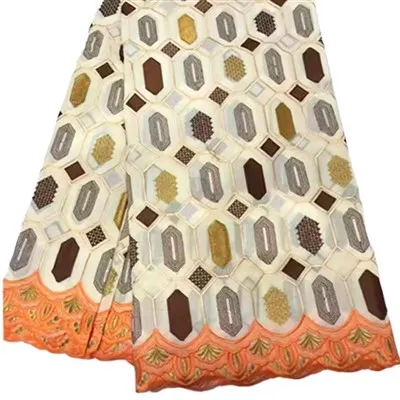
Let me wrap this up by saying that wax print isn’t just a “trendy” fabric. It’s a material with a rich history, and its uses continue to evolve as people get creative. From fashion to home decor, accessories to crafts, it’s a versatile, durable, and sustainable choice for so many projects. If you’re a designer, a small business owner, a craftsperson, or someone who’s looking for a unique fabric for your next project, I’d be happy to discuss your needs, answer questions about yardage, patterns, or care instructions, and help you find the right wax print for your goals. Whether you’re ordering a small swatch for a DIY project or a bulk order for a commercial venture, I’m here to support you.
Embroidery Tablecloth References
- Textile Institute. (2021). The History and Global Impact of Wax Print Fabrics. Journal of Textile and Apparel, Technology and Management.
- Sustainable Textiles Coalition. (2022). Durability and Lifespan of African Wax Print: A Case Study of Small-Scale Suppliers.
- Fashion Industry Sustainability Report. (2023). The Rise of Traditional Textiles in Contemporary Fashion and Home Goods.
- National Geographic. (2020). How African Wax Print Became a Global Cultural Staple.
Shandong Shengrun Textile Co., Ltd.
With over 15 years of experience, Shandong Shengrun Textile Co., Ltd. is one of the most professional wax print fabric manufacturers and suppliers in China. Please rest assured to buy or wholesale durable wax print fabric in stock here from our factory.
Address: 9th Floor, Hui Ji Business Tower, Ren Cheng District, Ji Ning, Shan Dong, China
E-mail: liang@shengrungroup.com
WebSite: https://www.shengruntextile.com/
