Hey folks, let’s cut to the chase: you’ve got a composite fence panel that’s chipped, cracked, or maybe even got a small knot pulled out from a rogue lawnmower or a strong wind gust—does that mean you have to dump the whole thing and shell out for brand new ones? As a guy who’s been supplying composite fence panels for almost a decade (I still answer my own phones, no auto-reply bots here), I get the urge to just replace everything, but trust me, repairing damaged composite panels isn’t just possible—it’s often way cheaper, way faster, and way less hassle than hauling old panels to the dump. Composite Fence Panels

First off, let’s nail down what composite fence panels actually are, because that matters for how you fix ’em. Most of the stuff we supply here is a mix of recycled wood fibers and plastic—usually HDPE (high-density polyethylene) or PVC—with a tiny bit of binding resin thrown in. That blend is tough, weather-resistant, and way low-maintenance than traditional wood, but it’s not indestructible. Common damage types fall into a few categories: surface scratches, small cracks (under 6 inches usually), larger splits at the joints, and the occasional blown-out section if something really heavy slams into it. The key here is matching the repair method to the damage, because not every fix works for every issue.
Let’s start with the easiest stuff: surface scratches and light scuffs. I see these all the time—someone drags a patio chair across a panel, or a branch from a nearby tree rubs against it, leaving a dull mark. The good news here? You don’t need fancy tools for this. Grab some fine-grit sandpaper (220-grit should do, no need for super coarse stuff—you don’t want to dig too deep), gently buff the scratched area in circular motions, then wipe it clean with a damp cloth. If the scratch is a little deeper, you can pick up a composite repair wax stick (we keep these in stock for our regular customers, fyi) that matches the color of your panels. Heat the wax stick with a heat gun or even a hair dryer on low, smooth it over the scratch, let it cool for a minute, then buff it again with a soft cloth. I’ve had customers tell me their repaired scratches are barely noticeable—way better than leaving an eyesore, and it takes 10 minutes tops.
Next up: small cracks. Cracks less than 6 inches long are totally fixable. Here, you’ll want a composite epoxy filler—again, make sure it’s made for wood-plastic composites, not just regular wood epoxy. Regular wood filler won’t bond right with the plastic in our panels, so save yourself the time and grab the right stuff. First, clean the crack with rubbing alcohol to get rid of dirt, mold, or mildew—any debris will stop the filler from sticking. Then, use a putty knife to force the epoxy into the crack, overfilling it a little (it’ll shrink as it dries). Let it cure for the time on the package (usually 24 hours, don’t rush it), then sand it flush with the panel surface and buff. We’ve had customers use this fix for cracks caused by temperature swings—composite can expand and contract a little, but small cracks from that are no match for epoxy. If the crack is longer than 6 inches? Don’t panic—we’ve fixed those too, but you’ll need to add a small metal spline to reinforce it. Just cut a piece of aluminum spline (available at most hardware stores) to fit inside the crack, press it in, then fill it with epoxy. That adds strength so the crack doesn’t get bigger.
Now, the big one: blown-out sections or splits in the middle of a panel (not just at the rail joints). This is the one people usually think is a write-off, but it’s doable if the damage is in a spot that’s not supporting the whole panel’s structure. Wait—what’s the structure of a composite fence panel, anyway? Most panels we sell have two main horizontal rails at the top and bottom, and vertical slats (or solid panels) between ’em. If the blown-out section is in the middle of a slat, not touching the rails, you can cut out the damaged part, then insert a matching piece of composite scrap (we give small offcuts to customers who ask—free, no extra cost) and bond it in with the same epoxy filler. Let that cure for 48 hours (since it’s a bigger join), then sand it smooth. If the damage is closer to the rails, you might need to add a small aluminum bracket to the back of the panel to hold it together while the epoxy sets. I’ve had a customer whose composite panel got hit by a stray golf ball—blown out a 8-inch round section—and we fixed it this way, and he couldn’t tell where the repair was after a month.
Wait, but let’s talk about what you shouldn’t repair, because not every damage is worth fixing. If the panel is warped so bad it won’t sit straight in the fence posts, that’s a no-go—warping usually means the internal structure is compromised, and repairing won’t make it sturdy enough. Or if the split runs all the way from the top rail to the bottom rail, that’s structural damage—you’re better off replacing it, because even a good repair won’t hold up to wind or heavy stuff leaning on it. And if the damage is from mold or mildew that’s penetrated deep into the core? Sometimes you can scrub surface mold with a 50/50 water and vinegar mix, but if it’s inside, the repair won’t stop it from coming back, so replacement is smarter.
Here’s the thing a lot of DIYers don’t tell you: repairing composite panels isn’t just about the fix itself—it’s about keeping the panel’s weather resistance. One of the big selling points of composite is that it doesn’t rot, which is way different from wood. If you repair a wood fence, you might paint or stain it to match, but composite doesn’t need that—so your repair has to blend in, which is why using color-matched wax sticks or epoxy is key. We’ve had customers skip the color matching, and the repair ends up standing out like a sore thumb, so don’t cut that corner.
Also, let’s talk about cost, because that’s a big factor. A brand new composite fence panel can run you $50 to $150, depending on size and quality. A repair kit—scratches, epoxy, wax—usually costs under $20, and takes less than an hour total. Even the bigger repairs (splits, blown sections) only add up to $30 to $50, which is way cheaper than a new panel. And let’s not forget about the environment—repairing means less waste going to landfills, which is something a lot of our customers care about, especially since our panels are made from 100% recycled materials anyway.
Now, what if you’re not a DIY type? Don’t worry, we also offer repair services for our customers. If you’re not comfortable sanding or mixing epoxy, just send us a message, and we can hook you up with a local contractor who’s worked with our composite panels before. They’ll come out, assess the damage, fix it, and have your fence back to normal in no time.
Wait, I should address a common myth here: some people think composite is too brittle to repair. No, it’s actually more flexible than solid PVC, which means it takes epoxy and wax way better. Wood, on the other hand, absorbs moisture, so repairs on wood can shrink or expand with the elements—but composite’s plastic base means the repair stays consistent, even in rain or sun. We’ve had panels repaired 5 years ago that still look great, so this isn’t a “temporary fix” by any means.
Let’s wrap this up: composite fence panels absolutely can be repaired, and it’s often the smartest choice. The only time you should replace is if the panel is structurally warped, has a full split from top to bottom, or the mold is too deep. For scratches, small cracks, and even medium splits, a simple repair kit or a professional fix will save you money, time, and waste.
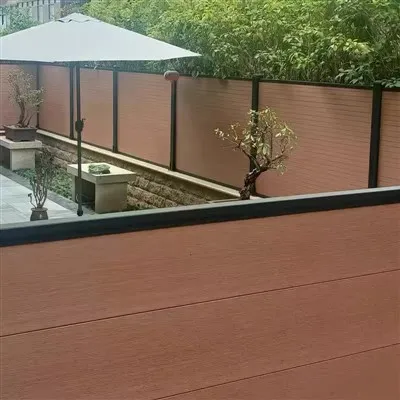
If you’ve got a damaged composite fence panel and you’re not sure what to do—whether you’re planning to DIY, or you want to chat about replacing the whole fence, reach out. We’re here to help, no pressure. We’ve got panels in different sizes, colors, and styles to match whatever you’ve got, and we can walk you through the repair process step by step if you want to tackle it yourself. No auto-responses, no confusing menus—just us, helping you get your fence back to looking good without the hassle.
Hollow Composite Decking References:
- Wood-Plastic Composite Fence Panel Technology and Applications, Journal of Materials Processing Technology, 2019
- Composite Fence Maintenance Guide, National Home Improvement Council, 2022
- Recycled Plastic-Wood Composite Repair Methods, Sustainability Journal, 2021
LIVING GREEN
We’re well-known as one of the leading composite fence panels manufacturers and suppliers in China, also support custom service. Please feel free to wholesale high quality composite fence panels at competitive price from our factory. For more information, contact us now.
Address: Building 1-1 West, Tangpu Industrial Park, Dishu Street, Anji County, Huzhou City, Zhejiang Province, China
E-mail: Sheena@bosendecor.com
WebSite: https://www.bosen-wpc.com/
