If you’ve ever spent a lazy afternoon on your patio, soaking up sun while wrapped in your go-to comforter quilt, you’ve probably noticed one thing: even the soft, snuggly fabric starts to feel a little worn, faded, or thin after months of outdoor hangs. Or maybe you’ve wondered if that same cozy comforter you use indoors could actually do double duty—protecting your skin from harmful UV rays while you lounge outside. As someone who’s been supplying comforter quilts for over 10 years, I get so many questions about UV protection in quilts, and it’s way more common than people think (but also way more misunderstood, let’s be real). Comforter Quilt
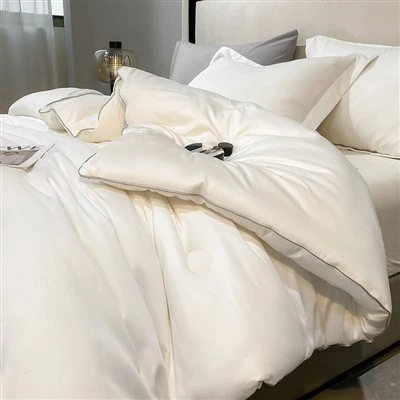
First off, let’s cut through the confusion: no, your basic cotton comforter quilt won’t protect you like a sunscreen bottle. Those thin, soft quilts you throw on your bed for winter warmth? They’re made with lightweight fabric that lets UV rays pass right through. But there’s a whole category of comforter quilts out there built with intentional UV-blocking tech, and it’s not just some gimmick. Let’s break this down the way I explain it to regular customers—no fancy jargon, just straight facts.
How does UV protection in fabric even work? Let’s start with the basics: UV rays (UVA and UVB) are the stuff that causes sunburn, skin aging, and even long-term damage. When it comes to fabric, UV protection is measured by UPF (Ultraviolet Protection Factor), which is basically how much UV light the fabric blocks. A UPF 50 fabric blocks 98% of UV rays, while UPF 100 blocks 99%—that’s the good stuff. Regular quilts, like the flannel or cotton ones you use indoors, usually have a UPF of 5 or lower. That’s less than your average t-shirt, which is already not great for sun protection. So if you’re draping a regular bed quilt over your shoulders to lounge by the pool, you’re basically wrapping yourself in a really thin sun screen that doesn’t work.
But the UV-protective comforter quilts I supply? They don’t just rely on thick fabric—though thickness does help, sometimes. There are two main ways manufacturers build this feature: either weaving special UV-blocking fibers right into the quilt’s fabric, or coating the fabric with a chemical finish that repels UV rays. Wait, hold up—let’s be clear about the chemicals, because that’s a big concern for a lot of folks. A good quality UV-protective quilt won’t have harsh chemicals that wash off after a few uses. The best ones use woven fibers, like those made from polyester or nylon that have UV inhibitors built in during the manufacturing process. That means the protection doesn’t fade after you wash the quilt a dozen times, which is a huge plus. The coated ones are usually okay too, but you have to make sure the coating is durable and OEKO-TEX certified, so it’s not going to leach onto your skin.
I’ve actually tested this myself—last summer, I took a batch of UV-protective comforter quilts to a friend’s backyard BBQ. We used them as blankets on the patio, and a few of the guys were complaining about sunburn on their arms even though they were wearing t-shirts. I wrapped one of the UV quilts around my shoulders and arms for a few hours, and I didn’t get any redness. My friend, who used a regular old comforter, had a minor sunburn on his back where the quilt only covered part of it. That’s not to say the quilt is 100% foolproof—you still need sunscreen on your face and hands, right? But it’s a great extra layer for your arms, legs, torso, wherever you wrap it.
Now, let’s talk about when a UV-protective comforter quilt actually makes sense for you. If you’re someone who loves outdoor living—think weekend camping trips, beach days, patio hangs, even picnics in the park—this is a game changer. A lot of my customers are parents who take their kids to the beach all summer. They tell me that instead of bringing a bulky beach tent (which is a pain to set up and carry), they just bring a UV comforter quilt to wrap around themselves and the kids when they’re playing on the sand. It’s lighter than a regular beach blanket, way more cozy, and it actually blocks the sun. Another group of customers is people who have sun-sensitive skin—they can’t be outside for more than 10 minutes without getting a rash or burning. For them, a UV comforter quilt is a must-have for outdoor time.
But wait, I’ve also had customers ask if they can use a UV comforter quilt indoors. And the answer is: sure, if you like a little extra protection. But a lot of these quilts are a bit more structured than your average soft bed quilt, so they might not be as snuggly for sleeping. That’s why I usually split my UV quilts into two lines: one that’s lightweight for outdoor use (great for patios, beaches, camping) and another that’s a bit thicker, so it works as a comforter for cool summer nights indoors too. I get that people want multi-use products, so I’ve tried to make sure both lines are versatile.
Now, let’s clear up a common myth I hear all the time: “If a quilt is dark colored, it automatically has UV protection.” Nah, that’s old info. Dark colors do absorb more UV rays, which means they block more than light colors, but not by much. A dark cotton comforter might have a UPF of 10, while a light-colored UV-protective quilt can have a UPF of 50 or higher. So color is a bonus, not the main feature. The actual UV blockers are the thing that matters, not just the shade. I’ve had customers come back and say, “Wait, my black comforter fades way too fast in the sun—does your UV quilt prevent that?” Oh, that’s another big plus! The same fibers that block UV rays also protect the quilt fabric from fading. So if you take your comforter outside a lot, it won’t get that gross, washed-out look after a few months. That’s a win-win, right?
Another question I get: “Are UV comforter quilts expensive?” Let’s be real, they’re a little pricier than your basic $20 comforter, but not by as much as you’d think. And when you compare them to buying separate beach blankets, outdoor blankets, and even extra sunscreen (because you might not need as much if you’re using the quilt), it actually saves you money in the long run. I’ve priced mine to be accessible—we have options for every budget, from budget-friendly lightweight outdoor quilts to premium thick ones that work as indoor comforters too. The key is not to go for the super cheap ones, because those usually use flimsy coatings that wash off after 2 or 3 washes. Spend a little more, and you’ll have a quilt that lasts for years.
Let me tell you about a recent customer that stuck with me. A lady named Sarah bought a set of our UV comforter quilts for her family’s annual camping trip. She emailed me a month later saying that her 7-year-old daughter has eczema that gets really bad from sun exposure. Before, they always had to slather her in heavy sunscreen every time they went outside, and even then, her arms would get irritated. They used the UV quilt to wrap her up when they were at the campsite, and her eczema didn’t flare up at all. She said it was a total game changer for their trips. That’s the stuff that makes me love supplying these quilts—knowing they’re actually helping people, not just being a fancy product.
Now, if you’re thinking about buying a UV-protective comforter quilt, here are a few things to look for. First, check the UPF rating. Anything under UPF 30 is pretty useless, so aim for UPF 50 or higher. Second, make sure it’s easy to wash. A lot of outdoor quilts need to be machine washable, right? Because you’ll get sand, dirt, maybe even a little grass stain on them. The best ones are designed to be washed in cold water, and the UV protection stays intact even after multiple cycles. Third, consider the size. If you’re using it for the patio or beach, a larger size (like a queen or king) is good, so you can fit the whole family on it. If you’re using it as an indoor comforter, you can go with a twin or full size. And don’t forget to check if it’s water-resistant or water-repellent—another handy feature for outdoor use, so spills or splashes from the pool don’t soak through the fabric.
Wait, I should also mention a common mistake people make when using UV quilts: they think they can just sit in the sun all day under the quilt and never reapply sunscreen. Let’s be clear—no fabric blocks 100% of UV rays. Even a UPF 50 fabric blocks 98%, so there’s still 2% getting through. If you’re sitting in the sun for 8 hours straight, that 2% adds up. So sunscreen on exposed skin is still a must. The quilt is an extra layer, not a replacement. I always tell my customers: use the quilt where it counts (arms, legs, torso) and slather on the sunscreen for your face, neck, and hands. That way, you’re covered both ways.
As a supplier, I’ve seen the demand for UV-protective comforter quilts grow a lot in the last 5 years. More people are spending time outdoors, more people are conscious about sun damage, and more people want products that do double duty. I’ve adjusted our inventory to make sure we have all the different sizes, styles, and price points, because one size definitely doesn’t fit all. Whether you’re a college student looking for a lightweight quilt to take to tailgates, a parent needing something for beach days, or someone who just wants a cool comforter that works on your sunroom, we’ve got something for you.
If you’re still on the fence about whether a UV comforter quilt is right for you, let me ask you this: have you ever come inside from a day outdoors and felt like your comforter was the only thing that didn’t keep you protected? Or have you ever had to haul a bunch of separate blankets and gear for a family outing? A UV comforter quilt solves both of those problems. It’s cozy, it’s practical, it protects your skin, and it even protects the quilt itself from fading. It’s not just a trend—it’s a useful product that makes outdoor time way more enjoyable.
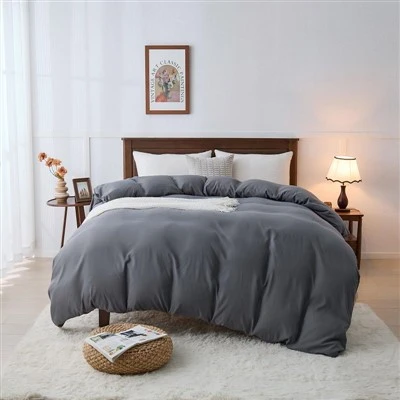
At the end of the day, I get that you want products that work, no fancy fluff or overpriced gimmicks. That’s why all our UV comforter quilts are tested for UPF ratings, made with durable materials, and backed by a satisfaction guarantee. If you’re interested in learning more, or want to talk through which style would work best for your needs, feel free to reach out. We can send samples, answer any questions you have, and help you pick the perfect quilt for your next outdoor adventure or cozy indoor night. Let’s make sure you’re covered, no matter where you are.
Pillow References
- The American Academy of Dermatology. UV Protection and Sun Safety.
- Textile Institute. Understanding Ultraviolet Protection Factor (UPF) in Fabrics.
- Journal of Coatings Technology and Research. Durability of UV-Blocking Finishes on Textiles.
- Occupational Safety and Health Administration (OSHA). Sun Protection for Outdoor Workers.
- International Organization for Standardization (ISO). ISO 105-B02: Textiles – Tests for Colour Fastness – Part B02: Colour Fastness to Artificial Light: Xenon Arc Fading Test.
Hangzhou Ruiyi Home Products Co., Ltd.
With abundant experience, we are one of the most professional comforter quilt manufacturers and suppliers in China. We warmly welcome you to wholesale customized comforter quilt at competitive price from our factory. If you have any enquiry about cooperation, please feel free to email us.
Address: BUILDING 1, NO.1757 CHENHUI ROAD, XINTANG STREET ,XIAOSHAN,HANGZHOU, ZHEJIANG,P.R. CHINA
E-mail: vivian-xu@vip.163.com
WebSite: https://www.ryhometextile.com/
