If you’ve ever tried making moon cakes at home (or even dabbled in supplying them, like I have for years), you know there’s way more to it than just mixing flour and red bean paste. For my moon cake brand, I’ve seen home bakers and even small café owners make the same mistakes that turn a supposed festive treat into a dry, crumbly mess—so many of them I’ve stopped counting. The funny part? A lot of these missteps are super easy to fix once you know what to look for. Let’s break down the most common ones I’ve run into, plus why they matter, and how I avoid them when I’m cranking out thousands of boxes for holiday orders. Moon Cake
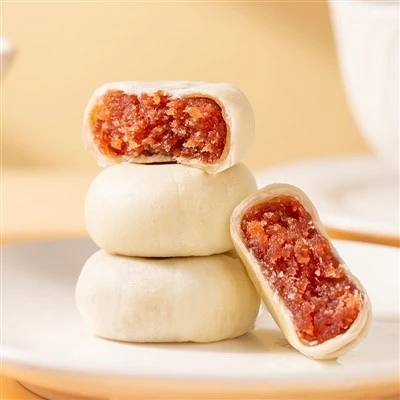
First up, the crust ratio fail. I can’t tell you how many new clients come to me saying, “I made moon cakes last year, and the crust was all hard on the outside!” 9 times out of 10, that’s because they didn’t get the ratio right. Moon cake crust (especially the classic “tin moon cake” kind, which is what most people picture) is made with maltose syrup, alkaline water, and flour. If you skimp on syrup, the crust doesn’t get that soft, slightly chewy texture we all love. Or if you add too much flour, it becomes dense and cracks when you press the filling in. When I started out, I once made a batch where I used 100g of extra flour because I thought “more structure = better.” Bad idea—every single cake came out so dry, no one wanted to eat them. Now I stick to a strict ratio: 150g maltose syrup, 20g alkaline water, 150g all-purpose flour, plus 15g of vegetable oil. That’s it. Too many home bakers (and even some new suppliers) mess with this ratio for no reason, and it ruins the whole vibe.
Next, under or over resting the crust. This is another one that’s so simple but so easy to mess up. After you mix the crust dough, you have to let it rest for at least 2 hours—some people say overnight, and I’d agree, especially if you’re in a humid place. Why? The flour needs time to absorb the syrup and alkaline water, otherwise it will shrink and crack when you’re shaping the moon cakes. I once had a intern here who was rushing an order, so he skipped the rest step entirely. We ended up with a whole tray of cracked cakes that we had to toss. That cost us a small fortune in ingredients and time. On the flip side, if you rest it for too long (like more than 24 hours in the fridge), the dough becomes too soft and sticky to work with. It’s a fine line, but trust me—set a timer, don’t guess.
Then there’s the filling mistake: not weighing it evenly. Moon cakes are all about balance. If one cake has 50g of filling and another has 80g, the one with too much will spill out when you press the mold, and the one with too little will taste like a dry blob. When I’m making moon cakes, I weigh every single ball of crust and filling to the exact gram. My team calls me the “gram police” now, but it works. For a standard 50g moon cake, it’s 20g of crust and 30g of filling. If you’re using salted egg yolks (super popular in traditional moon cakes), make sure you don’t overstuff—you want the yolk to be centered, not peeking out. I’ve seen so many home bakers get excited about the filling and just scoop it in, then end up with a mess.
Speaking of salted egg yolks—another big mistake: not prepping them right. That’s a game-ruiner. A lot of people just take a store-bought salted egg yolk and stick it right in the filling. But salted egg yolks can be too salty, or even have a weird raw aftertaste if you don’t pre-cook them properly. I always roast or steam my yolks for 5 minutes first, and I brush them with a little oil before cooking. That removes that harsh saltiness and makes them creamy inside. Once, a client brought me a cake they made that had a raw, bitter yolk, and I had to tell them—turns out they skipped the cooking step. No bueno. Also, make sure to remove the membrane around the yolk! That thin, white skin is super chewy and no one wants to bite into that. I used to forget that once, and a customer complained about a “rubbery spot” in their cake. Lesson learned.
Then there’s the mold pressing fail. This is where a lot of bakers go wrong. You have to dust your mold with flour or lotus seed powder, but not too much—otherwise the design will be blurry. If you don’t dust enough, the cake will stick to the mold and break when you take it out. I once had a mold that was so old, it didn’t have sharp edges, and the designs came out all smudged. We had to replace it, and it was a $20 investment that saved us hundreds in wasted cakes. Also, when you’re pressing the crust around the filling, you have to seal it completely. If there’s a tiny gap, when you bake it, the filling will ooze out. I’ve seen people shape the crust too thin, so the filling breaks through. The crust should wrap around the filling like a tight little ball, no cracks, no gaps. That’s key.
Baking temperature and time—oh man, this is where so many suppliers (and home bakers) go wrong. Moon cakes can’t be baked at 350°F (175°C) the whole time. First, you bake them for 5 minutes at a higher temp, like 375°F (190°C), to set the crust and make it a little golden. Then you take them out, brush them with an egg wash (1 egg yolk + 1 tsp water) to get that shiny, glossy look, and then bake them again for another 10-12 minutes at a lower temp, like 350°F (175°C). If you skip the egg wash step, the crust will be dull and not taste as good. If you bake them too long, the crust gets hard and the filling becomes dry. If you bake them too short, the crust is gooey and not set. I once baked a batch at 400°F (200°C) by accident—every single cake came out burnt on the bottom. We had to throw them all away, and it cost us a whole day’s work. Another mistake: not cooling them properly. After baking, you have to let them cool completely on a wire rack before storing them. If you put them in a container while they’re still warm, the moisture gets trapped and the crust becomes soggy. That’s a quick way to turn a good cake into a bad one.
Wait, and one more thing that’s specific to suppliers (not just home bakers): storage and shipping mistakes. I know, it’s not making the cake, but it’s part of the process. A lot of suppliers pack moon cakes too soon after they’re baked, or use bad packaging. I once used cheap plastic packaging that didn’t let any air in, and within 3 days, the crust was moldy. Now we use food-grade, breathable packaging that keeps the cakes fresh for up to 2 weeks. Also, when shipping, you have to make sure the cakes don’t get crushed. We use custom cardboard boxes with inserts that hold each cake in place, so they don’t move around during transit. A client once told us they ordered moon cakes from another supplier, and half of them were crushed when they arrived. They switched to us after that.
Now, why does this matter for you? If you’re a small café owner looking to add moon cakes to your menu, or a family doing this for holiday gifts, these mistakes can make or break your reputation. For me, as a supplier, I’ve learned these things the hard way—wasting ingredients, losing clients, missing orders. But the good news is, they’re all fixable with a little attention to detail. If you’re tired of making moon cakes that turn out wrong, or you’re looking for a reliable supplier who gets all these details right, feel free to reach out. We’re here to help, whether you need a few boxes for your family or a bulk order for your business.

Oh, and a quick note: don’t forget to let the moon cakes “rest” after they’re baked, like 1-2 days. That’s when the crust absorbs the moisture from the filling and becomes soft and chewy. A lot of people eat them right out of the oven, and they’re hard—so they think their cake is bad. That’s not the case! Let them rest, and you’ll get that perfect texture.
Frozen Pastries I’ve been in this moon cake game for over a decade now, and I still see new mistakes popping up every holiday. But if you avoid these ones—ratio fails, underrested crust, uneven filling, bad yolk prep, mold issues, wrong baking temp, and storage missteps—you’ll be way ahead of the game. For anyone looking to get quality moon cakes without the hassle of making them yourself, we’re here to handle all that. We’ve got traditional flavors like lotus seed paste and salted egg yolk, plus modern ones like matcha and durian, and we make sure every single one is perfect. Whether you’re a business owner in need of bulk orders or just someone wanting delicious moon cakes for the holidays, hit us up. Let’s talk about what you need, no pressure.
References
- Traditional Moon Cake Making: A Step-by-Step Guide, Asian Food Network, 2022
- Food Safety and Baking Best Practices for Traditional Pastries, International Bakers Association, 2023
- The Science of Moon Cake Crust Texture, Culinary Science Journal, Vol. 18, No. 2, 2021
Fujian Luchen Food Co., Ltd.
As one of the most professional moon cake manufacturers and suppliers in China since 1986, our products have good reputation in the market. Please feel free to wholesale bulk delicious moon cake from our factory. Good service and quality products are available.
Address: No. 19, Shangxipulou, Nansheng Town, Pinghe County, Zhangzhou City, Fujian Province
E-mail: service@xmnahan.com
WebSite: https://www.luchenbakery.com/
