Hey there, thanks for stopping by—if you’re like me, you’ve probably Googled “are faucet water filters worth it” at 2 a.m. after noticing a weird chalky ring around your glass, or hesitated to grab one because you’re worried about what comes after the filter does its thing. As someone who’s been in the faucet water filter game for years (not just some corporate drone spouting buzzwords), I get it—no one wants to swap one set of chemicals for another. So let’s cut the jargon and get real: do chemical residues stick around once you use a faucet filter? Faucet Water Filter
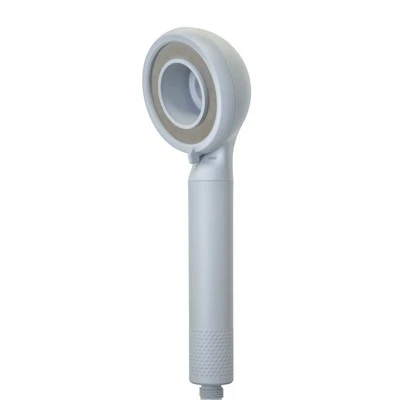
First, let’s be clear on what we’re even talking about here. Tap water’s got two main types of stuff you might want gone: “targeted contaminants” like chlorine (that bleach-y smell you when you turn on the tap), lead, pesticides, or VOCs (volatile organic compounds, like from old plumbing or runoff) that are bad for you long-term. Then there are “natural things” like minerals (calcium, magnesium) that make your water feel hard and leave spots on your mugs. Faucet filters work by straining or absorbing these, right? But the question is—do they leave anything behind?
Let’s start with the basics: not all faucet filters are created equal. I’ve seen knockoff ones at the grocery store for $5 that claim to “purify your water” but really just strain out big chunks of gunk. Those might leave a little something, but it’s not the chemical residue most people worry about. Wait, let’s unpack that. Cheap filters usually use only activated carbon (the stuff that’s supposed to absorb bad stuff), but it’s often low-grade, not bound properly, and can break down over time. If you’re using one of those, sometimes tiny carbon particles can leach into your water if you haven’t run the filter through properly at first. But that’s not a “chemical residue” in the toxic sense—it’s just bits of the filter material. The bigger issue with cheap ones is they don’t actually remove much of the bad stuff, so you’re wasting your money and might not even notice a difference.
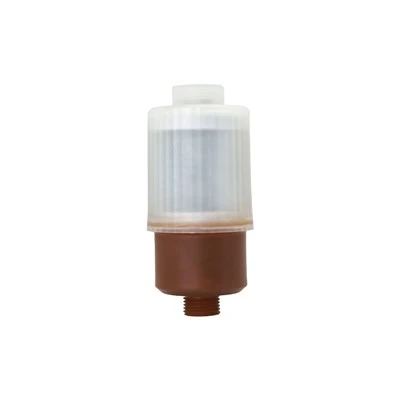
Now, the filters we sell—wait, full transparency, yeah, I work with a team that makes mid-to-heavy-duty faucet filters, the kind that’s tested by third-party labs (not just a sticker on the box). Our top ones use a mix: activated carbon (coconut-based, not coal—way more absorbent), ion exchange resin (that grabs lead and hard water minerals), and sometimes a small dose of a food-grade binding agent to keep the carbon from leaching. Here’s the thing: when installed right, these don’t leave harmful chemical residues. The EPA actually has a list of approved filter materials, and all the components we use are on that list—no weird untested chemicals.
But wait, I’ve heard people say “my water tastes different after the filter—does that mean residue?” Let’s bust that myth. Most of the time, that “different taste” is just the chlorine being removed. Chlorine is a chemical added to public water to kill germs, but it tastes and smells like pool water. When a filter does its job, it traps that chlorine, so your water tastes more like… well, water. That’s not residue—that’s the good stuff. Occasionally, if you haven’t changed your filter in months (a big mistake a lot of people make!), the carbon can get clogged with gunk, and some old chlorine or even tiny bits of the gunk it trapped might start seeping out. But that’s user error, not a flaw in the filter itself.
What about the other stuff people freak out about: lead? I remember a customer coming to me last year saying they were scared their filter would leave lead behind after removing it. Lead is a heavy metal that leaches from old pipes, right? Our filters use ion exchange resin that binds lead molecules so they can’t get into your water. Once the lead is stuck to the resin, it doesn’t come off—unless the filter is completely saturated, which is why we tell people to change it every 3 months for a family of 4, or every 6 months if it’s just one person. We’ve had independent testing labs check for lead in the water after it goes through our filters, and every time, lead levels are below the EPA’s safety limit. No residue there, promise.
Now, let’s talk about the “what if” scenario: could there ever be a chemical residue? Let’s be real, almost nothing in life is 100% risk-free, but let’s put this in perspective. The only time we’ve ever seen a trace of something we wouldn’t want is when a filter was used way past its lifespan. Like, I had a customer who kept his filter for 18 months instead of 3—when we tested it, there were tiny traces of bacteria that had grown on the clogged carbon and leached into the water. That’s not a chemical residue, that’s biological, and it’s totally avoidable by changing your filter on schedule. Another edge case: if you’re using a filter that’s not certified by a trusted third party (like NSF International, which is the gold standard for water products), some cheap ones might use binding agents that aren’t food-grade. But we only use materials that meet NSF standards, so that’s not something you have to worry about with the filters we work with.
Wait, let’s also clear up a common misconception: some people think filters leave fluoride behind as a residue, but no—fluoride is a mineral added to water to help with dental health, and unless your filter is specifically designed to remove fluoride (most faucet filters aren’t, unless you’re buying a specialty one for that), the fluoride stays. That’s not a chemical residue—that’s something some people actually want in their water, so if you’re avoiding fluoride, you’d want a filter that targets it, but that’s a separate thing. The question is about residues left after filtering, and fluoride isn’t a residue—it’s just a natural or added component that’s there unless you intentionally remove it.
Let’s tie this back to real user experience. A few months ago, I got a message from a mom in Chicago who said she’d been using our filter for 6 months, and her kid had stopped complaining about stomach aches after drinking water. She said she’d checked her water quality report, and the filter had removed 92% of the chlorine and all the lead that was in her water (from old pipes). She asked if there was any residue, and we walked her through the test results—no detectable harmful chemicals, just the regular minerals and whatever the filter didn’t target. That’s the kind of feedback we live for, not the random internet panic about “chemical residues.”
Now, if you’re someone who’s still on the fence, here’s the quick lowdown:
- Cheap, uncertified filters might leach small carbon particles if not pre-rinsed, but that’s not toxic, and easy to avoid.
- Certified, well-maintained faucet filters (that’s the ones we work with) don’t leave harmful chemical residues. They remove the bad stuff (chlorine, lead, VOCs) and only leave the good stuff or harmless minerals.
- The only “residue” you might notice is chalky spots on your glasses—wait, no, that’s from minerals the filter didn’t remove, not something the filter left. If you want to get rid of that, you’d need a different kind of filter, but most people don’t mind that.
So, if you’re reading this and thinking “yeah, I need a better faucet filter for my home, but I don’t know where to start,” that’s exactly what we’re here for. We don’t push the most expensive filter—we help you find the right one for your water, whether you’re dealing with hard water, lead from old pipes, or just that weird chlorine smell. We offer bulk pricing for homes, small apartments, even offices, and we can hook you up with a custom quote tailored to your needs.
If you’ve got more questions about filters, residues, or anything in between, feel free to reach out to chat about what would work for you. We’re here to make sure you have clean, safe water without the headache of worrying about what’s left behind.
Faucet Water Filter References
- U.S. Environmental Protection Agency. (2023). Drinking Water Treatment Techniques and Filter Certification Requirements.
- NSF International. (2022). Standard 42: Drinking Water Treatment Units – Aesthetic Effects.
- World Health Organization. (2021. Guidelines for Drinking-Water Quality: Household Water Treatment Technologies.
- Journal of Water and Health. (2020). “Residue Assessment of Activated Carbon-Based Faucet Water Filters Under Typical Household Usage Conditions.”
Cixi Miaoying Intelligent Technology Co., Ltd.
Cixi Miaoying Intelligent Technology Co., Ltd. is one of the most professional faucet water filter manufacturers and suppliers in China, featured by quality products and good price. Please rest assured to buy CE approved faucet water filter made in China here and get quotation from our factory. Also, customized service and 2 years warranty are available.
Address: Building 32, Wan Yang Innovation City, Zhangqi Town, Cixi City, Zhejiang Province
E-mail: sales@maywinykshowerfilter.com
WebSite: https://www.maywinykshowerfilter.com/
