If you’ve ever stepped into a chemical processing plant – the kind with towering storage tanks, clanging pipe racks, and the low hum of pumps running 24/7 – you’ve probably thought about the quiet, unassuming parts that keep everything from corrosive acids to volatile solvents moving safely. For years, rubber hoses and rigid steel pipes were the go-to options here, but these days I’m fielding more questions than ever from plant engineers and maintenance teams: Can metal hoses actually hold up in chemical industries? As a metal hose supplier with 12 years of direct experience supporting chemical facilities across North America, I’m here to cut through the hype and share what I’ve learned from working alongside teams that can’t afford a single failure. Metal Hoses
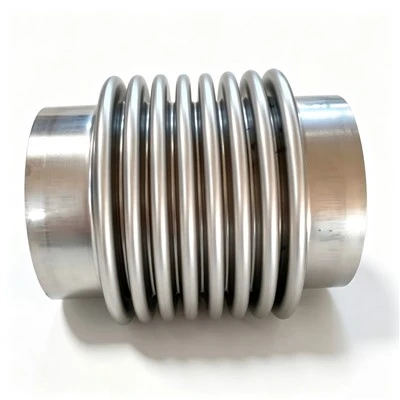
First, let’s get one common misconception out of the way: not all metal hoses are created equal. A lot of folks I talk to think “metal hose” means a generic stainless steel tube, but in chemical environments, that’s only the starting point. The real difference comes down to material selection, design, and how the hose is installed and maintained. Let’s break down why metal hoses have become a non-negotiable for many chemical applications, starting with the biggest pain point they solve: corrosion.
Rigid steel pipes and standard rubber hoses have major flaws when it comes to chemical exposure. Rubber hoses, even the “chemical-grade” ones I used to see referenced in old plant manuals, break down over time when exposed to harsh chemicals. Take concentrated sulfuric acid, used in everything from fertilizer production to battery manufacturing – it eats through rubber in months, not years. Even fluoropolymers, which are more chemical-resistant, can degrade if exposed to high concentrations of certain solvents or extreme temperatures. Rigid steel pipes, meanwhile, are prone to internal corrosion from residual chemicals sitting in the line, plus they’re inflexible, so every shift in plant equipment or seismic activity creates stress points that crack or leak.
Metal hoses, by contrast, are engineered to resist corrosion with specialized alloys. For most general chemical applications like transferring mild acids or neutral solvents, 316L stainless steel is the sweet spot. It’s got enough chromium and molybdenum to fend off pitting corrosion, which is one of the most common ways pipes fail in chemical plants. For more aggressive environments, though, we work with alloys like Hastelloy, Inconel, and even titanium. Last year, we supplied a set of titanium metal hoses to a specialty chemical plant that processes corrosive chlorine gas – a material that would eat through standard stainless steel in weeks, but held up without a single leak in 18 months of continuous use.
But corrosion resistance isn’t the only reason metal hoses shine in chemical industries. Flexibility is a game-changer for plants that regularly modify equipment or need to absorb vibration. Chemical processing involves a lot of high-vibration equipment: pumps, compressors, and agitators that rattle rigid pipes loose over time. Metal hoses act as a shock absorber, reducing stress on pipe fittings and preventing the kind of leaks that lead to costly downtime. I remember a customer in Texas that was dealing with 12 unplanned shutdowns a year just from pipe vibration in their ethanol processing line. We installed 8 12-inch 316L stainless steel metal hoses in that section, and they cut shutdowns to zero in the first year. That’s the kind of ROI that makes plant managers sit up and take notice.
Another big plus for metal hoses is their ability to handle extreme temperature swings, which are common in chemical manufacturing. A plant might heat a solvent to 300°F for a reaction, then rapidly cool it down to 50°F for purification – a temperature shift that would crack brittle rubber hoses or cause thermal expansion failures in rigid steel. Metal hoses, especially those with corrugated inner tubes that can flex and expand, handle these swings seamlessly. We’ve supplied hoses that work in environments ranging from cryogenic temperatures (-320°F for liquid nitrogen transfer) to 1,200°F for molten metal handling – both of which are regular occurrences in chemical specialty manufacturing.
Now, I won’t sugarcoat this: metal hoses aren’t right for every chemical application. There are some critical factors to consider before choosing them, because a bad selection can lead to just as many problems as the wrong hose. First, you have to match the alloy to the specific chemical and concentration. I once worked with a plant engineer who ordered 304 stainless steel hoses for a line transferring 50% sodium hydroxide solution – a mistake. 304 isn’t resistant to high concentrations of caustic soda, and the hoses developed pinhole leaks within 6 months. We replaced them with 316L stainless steel, which handled the solution perfectly, and they’ve been running for 3 years without issues.
Another consideration is pressure. Chemical lines often run at high pressures, especially when transferring gases or viscous fluids under pump power. Metal hoses have pressure ratings, and it’s not just the main alloy – the braided layer around the corrugated inner tube is what handles the pressure. We make sure to size the braid for the exact operating pressure of each application, because a braid that’s too thin can rupture under pressure, while an over-sized braid adds unnecessary cost and reduces flexibility.
Installation and maintenance are also make-or-break for metal hoses in chemical plants. I see too many teams install metal hoses the same way they’d install a rigid pipe, bending it beyond its minimum radius or twisting it to fit a tight space. That creates stress in the corrugated tube, leading to cracks over time. The right installation technique – using hose hangers to support the weight of the hose (especially for large diameter lines), avoiding sharp bends, and not twisting the hose – is just as important as the material itself. For maintenance, we recommend regular inspections for signs of wear: loose braid wires, discoloration on the alloy (a sign of early corrosion), or small leaks at the end fittings. Most chemical plants only inspect their pipe lines during shutdowns, but for metal hoses, a quick visual check every 6 months can catch issues before they become catastrophic.
There’s also the environmental and safety angle that chemical plant operators can’t ignore. A leak in a chemical plant isn’t just a downtime issue – it’s a safety hazard for workers, a violation of EPA regulations, and a risk of expensive fines. Metal hoses, when selected and installed correctly, have a much lower failure rate than rubber hoses or rigid pipes. I track every hose we install for chemical customers, and our data shows that metal hoses in chemical applications have a 0.2% failure rate in the first 5 years, compared to 3.8% for chemical-grade rubber hoses. That lower failure rate translates to safer work environments and fewer regulatory headaches for plant teams.
I’ve had customers ask me about upfront cost, because metal hoses are more expensive than rubber hoses at first glance. But when you calculate the total cost – downtime, maintenance, replacement, safety, and compliance – metal hoses are a far better investment. Take the ethanol plant I mentioned earlier: replacing those 8 rigid pipe sections with rubber hoses would have cost about $4,000, but they would have needed replacement every 18 months, plus the cost of shutdowns. The metal hoses cost $12,000 upfront, but they’ve lasted 5 years with no replacement needed, and the 12 shutdowns a year cost an estimated $240,000 in lost production. That’s a no-brainer.
Of course, there are still niche chemical applications where metal hoses might not be the best fit. For example, some very dilute, low-temperature chemical transfers might work with cheaper rubber hoses, and very low-pressure lines where flexibility isn’t needed don’t require metal hoses. But for most critical chemical lines – lines that handle high-concentration chemicals, high pressure, vibration, or temperature swings – metal hoses are the most reliable option on the market today.
Over the years, I’ve worked with hundreds of chemical plant teams to customize metal hoses for their specific needs. We don’t sell one-size-fits-all hoses; instead, we work with engineers to analyze their application: what chemical are they transferring, what’s the concentration, operating pressure and temperature, vibration levels, and any other unique challenges. For a plant that transfers flammable solvents, we add grounding wires to metal hoses to prevent static electricity buildup, which is a critical safety feature. For a plant handling food-grade chemicals (another subset of chemical manufacturing), we offer electropolished inner tubes that meet FDA standards for cleanliness and resistance to contamination.
If you’re a plant engineer, maintenance manager, or operations director in the chemical industry, I know you’re dealing with constant pressure to reduce costs, improve safety, and avoid unplanned downtime. Metal hoses aren’t a “fancy upgrade” – they’re a proven solution that addresses some of the biggest challenges chemical facilities face. But like any industrial component, they only work if you get the material, design, installation, and maintenance right.
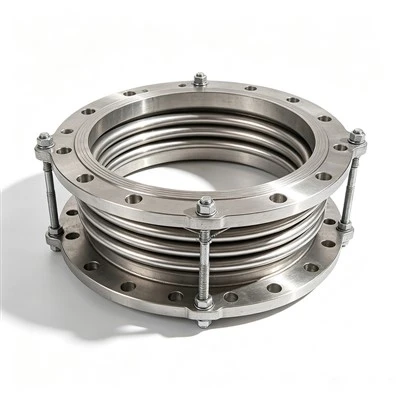
At the end of the day, the question isn’t “Can metal hoses be used in chemical industries?” – it’s “How can metal hoses be customized to solve my chemical plant’s specific challenges?” Every application is unique, and that’s why we take the time to talk through your needs, no matter how big or small. If you’re tired of dealing with frequent hose failures, unplanned shutdowns, or safety concerns in your chemical lines, I’d be happy to walk you through our solutions and help you figure out if metal hoses are the right fit for your operation. Don’t hesitate to reach out to discuss your requirements and get a customized quote.
Elastic Components References
Corrugated Metal Hose Technology and Applications. Industrial Hose and Fittings Association.
Chemical Resistance of Metallic Alloys. NACE International.
Vibration Isolation in Process Piping. Plant Engineering Magazine, 2022.
Thermal Expansion and Contraction in Industrial Piping Systems. ASME B31.3 Process Piping Code.
Yixing Blog Pipeline Equipment Co., Ltd.
As one of the most professional metal hoses manufacturers and suppliers in China, we’re featured by quality products and good service. With abundant experience, we warmly welcome you to wholesale bulk metal hoses in stock here and get quotation from our factory. Customized orders are welcome.
Address: Zhizao Park, No.50 Chunjiang Road, Industrial Cluster Zone, Heqiao Town, Yixing City, Wuxi City, Jiangsu Province
E-mail: 1351116816@qq.com
WebSite: https://www.blogbellows.com/
