Hey there! I’m a supplier of CNC metal lathes, and I’ve seen firsthand how crucial it is to have well – trained operators. In this blog, I’ll share some tips on how to train operators for a CNC metal lathe. CNC Metal Lathe
Understanding the Basics
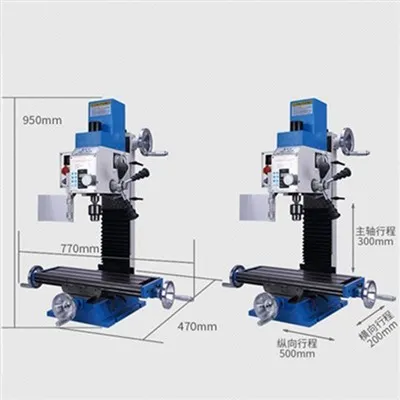
First things first, new operators need to have a solid understanding of the basics of CNC metal lathes. This includes knowing the different parts of the lathe, like the headstock, tailstock, carriage, and tool turret. I usually start with a hands – on tour of the machine. I point out each component, explain what it does, and how it works in the overall operation of the lathe.
It’s also important to teach them about the safety features. CNC metal lathes can be dangerous if not used properly. I make sure they know where the emergency stop button is, how to use the safety guards, and the importance of wearing the right safety gear, like safety glasses and gloves.
Learning the Programming
CNC metal lathes are controlled by programs. So, teaching operators how to program is a must. There are different programming languages used in CNC, but the most common one is G – code. I start by explaining the basic G – code commands. For example, G00 is for rapid positioning, G01 is for linear interpolation.
I use simple examples to teach them how to write basic programs. We start with something like turning a simple cylindrical part. I show them how to write the code step by step, from setting the work coordinate system to specifying the tool path.
To make it easier for them to learn, I also use simulation software. This software allows them to run the programs they’ve written on a virtual lathe. They can see how the tool moves and the part is machined without actually using the real machine. It’s a great way to catch any errors in the program before they try it on the actual lathe.
Operating the Machine
Once they have a good understanding of the programming, it’s time to start operating the machine. I always start with some basic tasks, like setting up the workpiece and the tools. I show them how to properly mount the workpiece in the chuck or between centers. And I teach them how to select the right tool for the job and how to install it in the tool turret.
When it comes to running the program on the machine, I have them start with a slow feed rate and spindle speed. This way, they can get a feel for how the machine responds. As they get more comfortable, we gradually increase the feed rate and spindle speed.
I also teach them how to troubleshoot common problems. For example, if the tool is not cutting properly, they need to know how to check the tool geometry, the cutting parameters, and the alignment of the machine.
Hands – on Practice
Practice makes perfect, right? I give my operators plenty of hands – on practice time. I set up different projects for them to work on, from simple to more complex parts. This helps them gain confidence and improve their skills.
During the practice sessions, I’m always there to supervise. I watch what they’re doing, give them feedback, and correct any mistakes they make. I also encourage them to ask questions. There’s no such thing as a stupid question when it comes to learning how to operate a CNC metal lathe.
Continuous Learning
The field of CNC machining is always evolving. New technologies and techniques are being developed all the time. So, it’s important for operators to keep learning. I provide my operators with access to training materials, like online courses and industry magazines. I also encourage them to attend trade shows and workshops.
I also organize in – house training sessions on a regular basis. These sessions cover topics like new programming techniques, advanced machining strategies, and the latest software updates for the CNC lathe.
Quality Control
Quality control is an important part of operating a CNC metal lathe. I teach my operators how to use measuring tools, like calipers, micrometers, and gauges. They need to be able to measure the dimensions of the machined parts accurately and compare them to the specifications.
I also show them how to perform inspections at different stages of the machining process. This helps to catch any problems early on and ensures that the final product meets the quality standards.
Teamwork and Communication
In a manufacturing environment, teamwork and communication are essential. I encourage my operators to work together and share their knowledge and experiences. They need to be able to communicate effectively with other departments, like engineering and quality control.

For example, if there’s a problem with the program or the machine, they need to be able to communicate it clearly to the relevant people. And if there are any changes in the production requirements, they need to be able to adapt quickly and work together to make the necessary adjustments.
Conclusion
Benchtop Wood Lathe Training operators for a CNC metal lathe is a process that takes time and effort. But with the right approach, you can have a team of skilled operators who can produce high – quality parts efficiently. If you’re in the market for a CNC metal lathe or need help with operator training, don’t hesitate to reach out. We’re here to support you every step of the way.
References
- "CNC Programming Handbook" by Mark Albert
- "Modern Machine Shop" magazine
- "CNC Machining Technology" textbooks
YS Machine Tools Co., Ltd.
We’re well-known as one of the leading cnc metal lathe suppliers in China, featured by quality products and good service. Please rest assured to buy customized cnc metal lathe at competitive price from our factory. Contact us for more details.
Address: 300 Sandusky st, Ohio, 43611, USA
E-mail: yishoumachinetools@gmail.com
WebSite: https://www.ysmachinetool.com/
